

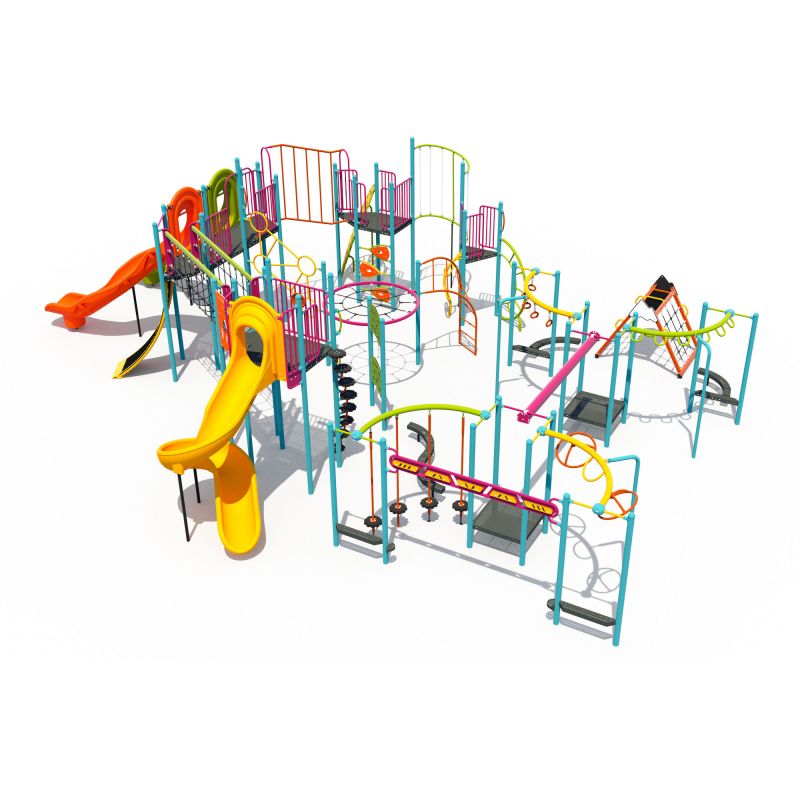
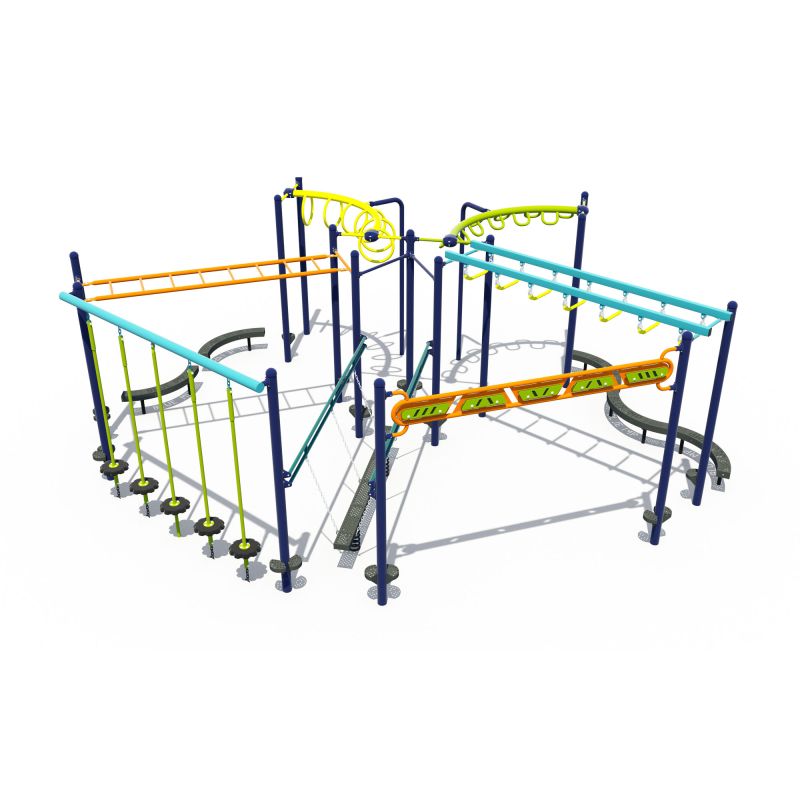
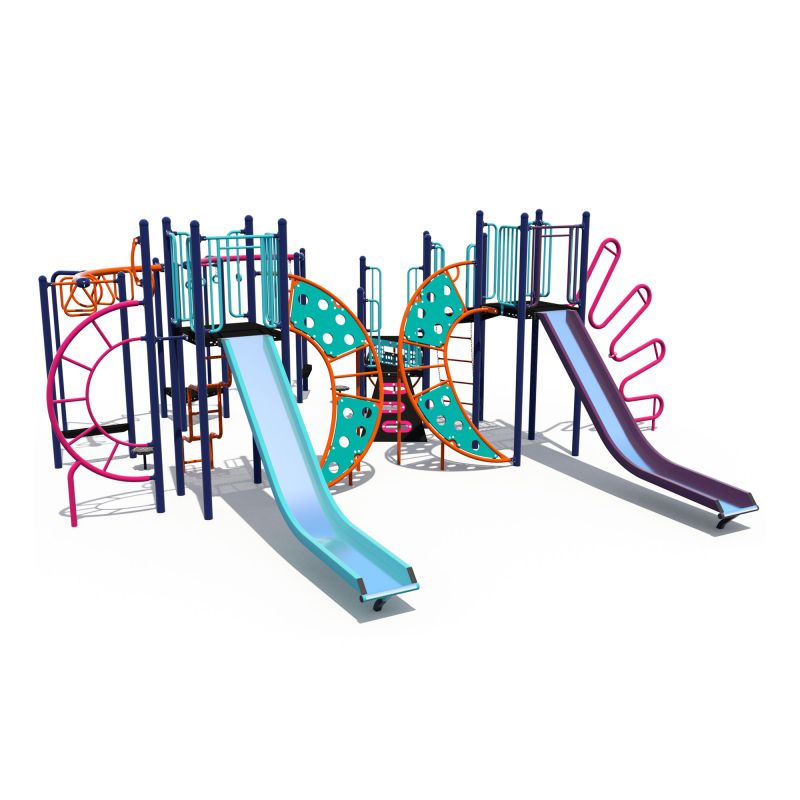
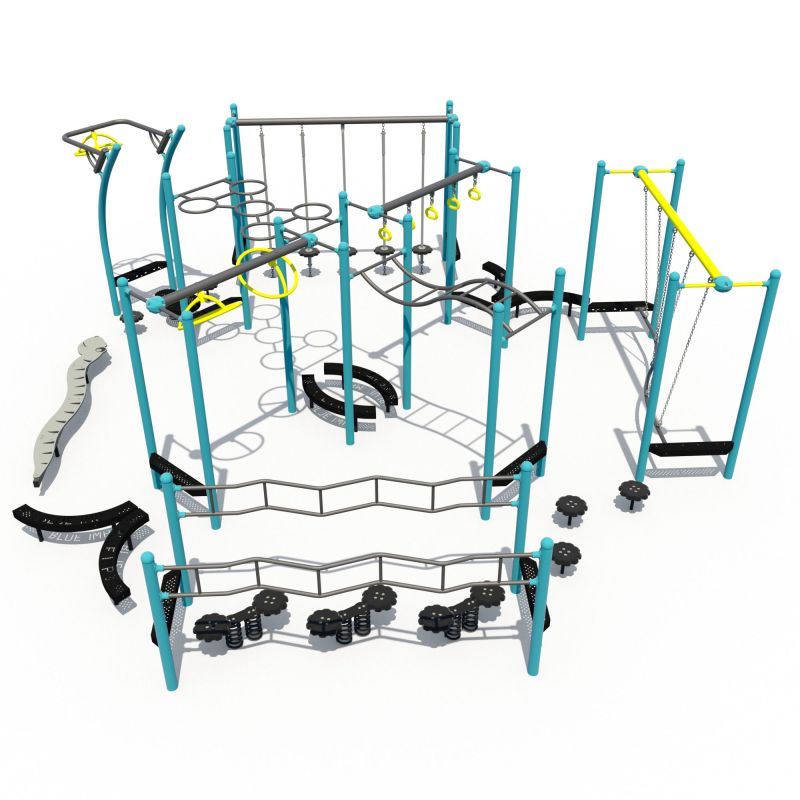
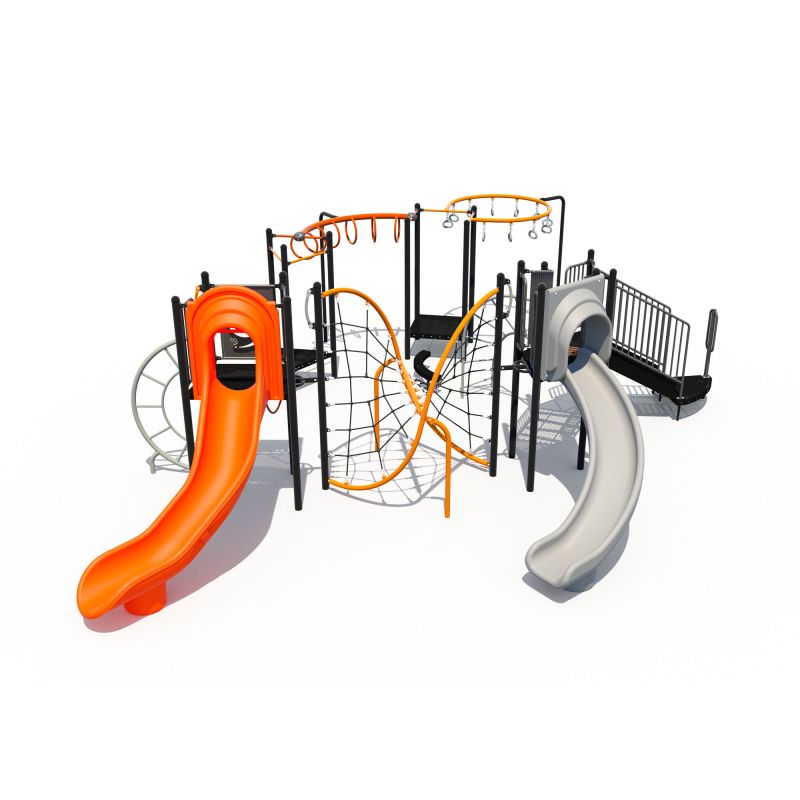
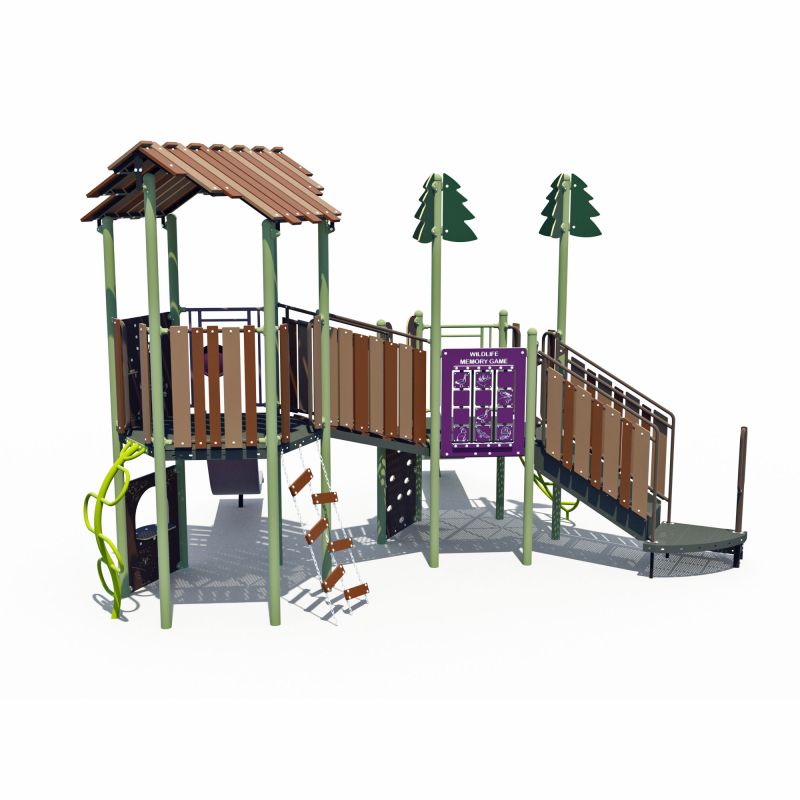
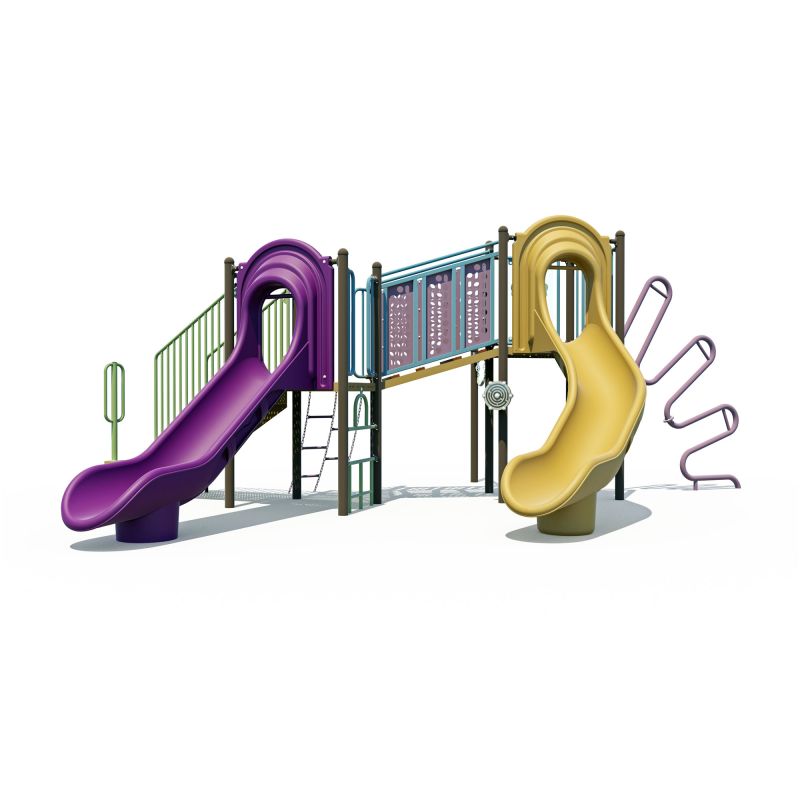
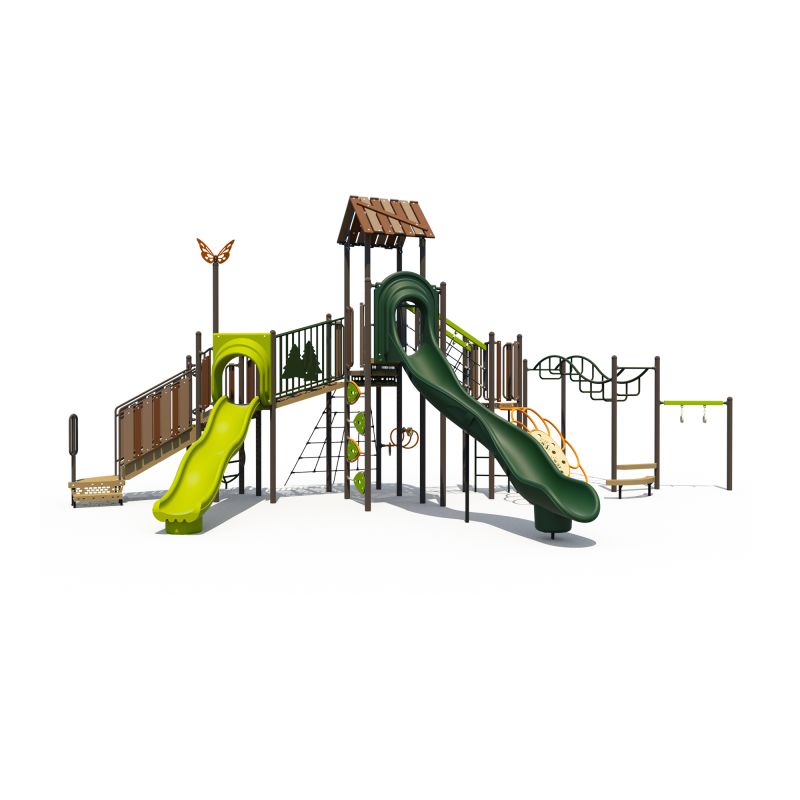

Choosing the correct playground equipment size protects children, improves access, and makes play more fun. This guide walks you through planning your playground including required safety zones, and selecting age‑appropriate equipment. Many planners struggle to balance available space with regulatory clearances, this step‑by‑step resource helps you do both confidently. We cover measurement techniques, clearance recommendations, equipment sizing by age, customization choices, and layout best practices.
At Blue Imp, our experienced sales and playground design teams help clients determine the ideal playground size for their site, balancing available space with the types of play experiences you want to offer. We start by assessing your site layout and limitations, access points and community needs, then provide expert guidance on equipment selection and arrangement that maximizes play value without overcrowding. This comprehensive service is fully included, there are no extra fees, covering everything from site assessment to initial concept to detailed layout. Every square foot is planned for safety, accessibility and long-term durability, resulting in a thoughtfully sized playground that fits your space perfectly and provides the best possible experience for users.
Recommended Playground Safety Zone Dimensions and Clearances
Safety zones provide the buffer children need to play without unnecessary risk. Knowing the recommended dimensions for clearances and surfacing lets you place equipment in ways that reduce injury risk and improve supervision.
How Safety Zones Affect Equipment Placement and User Safety
Proper safety zones influence how equipment is arranged and how well the space protects users. Good clearances help to:
- Prevent Collisions : Space between pieces reduces accidental contact during active play.
- Facilitate Supervision : Open zones improve sightlines for caregivers and staff.
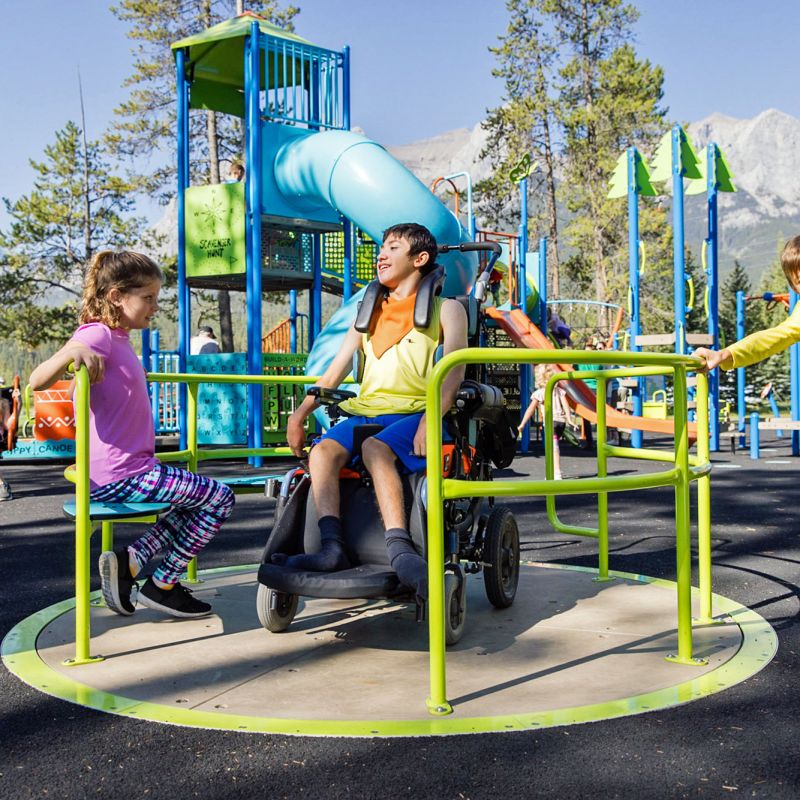
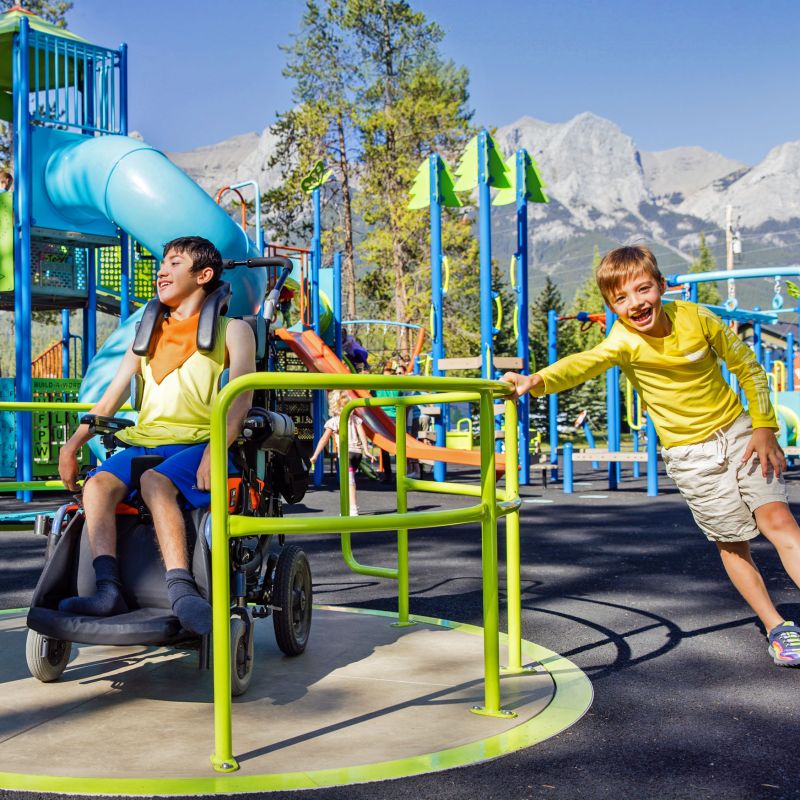
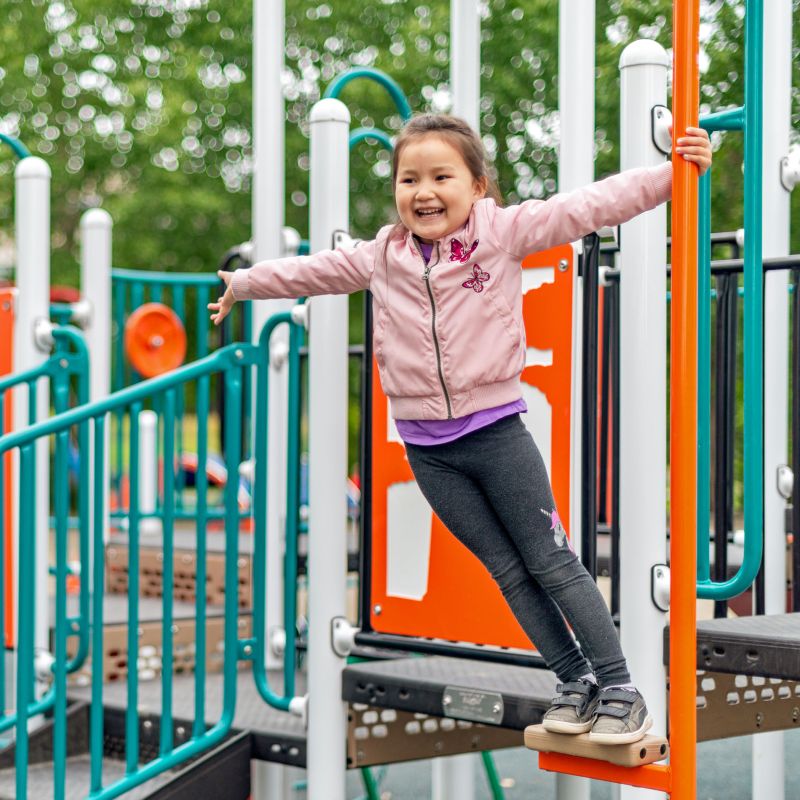
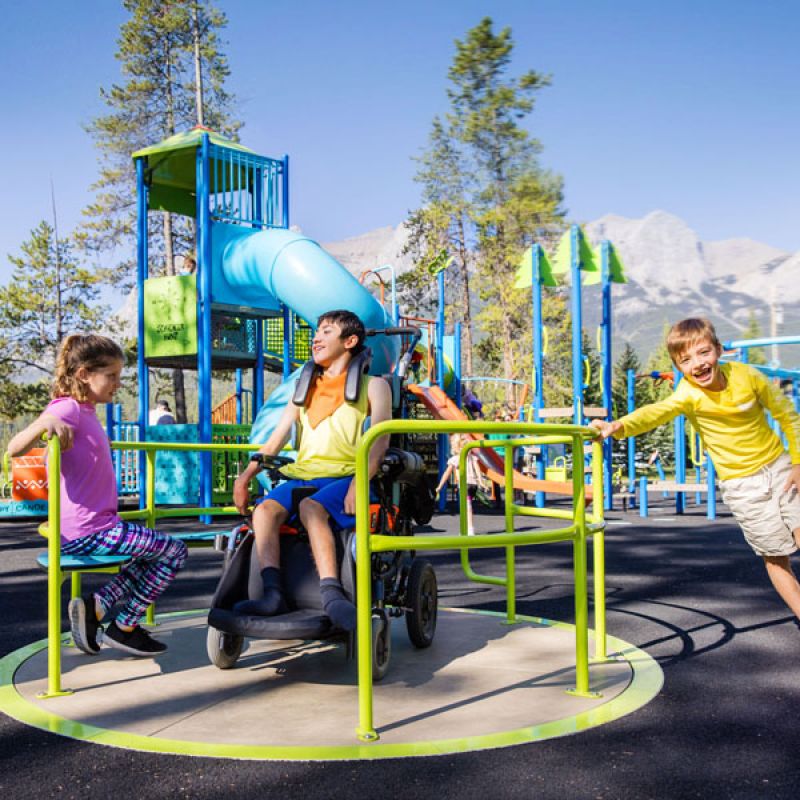
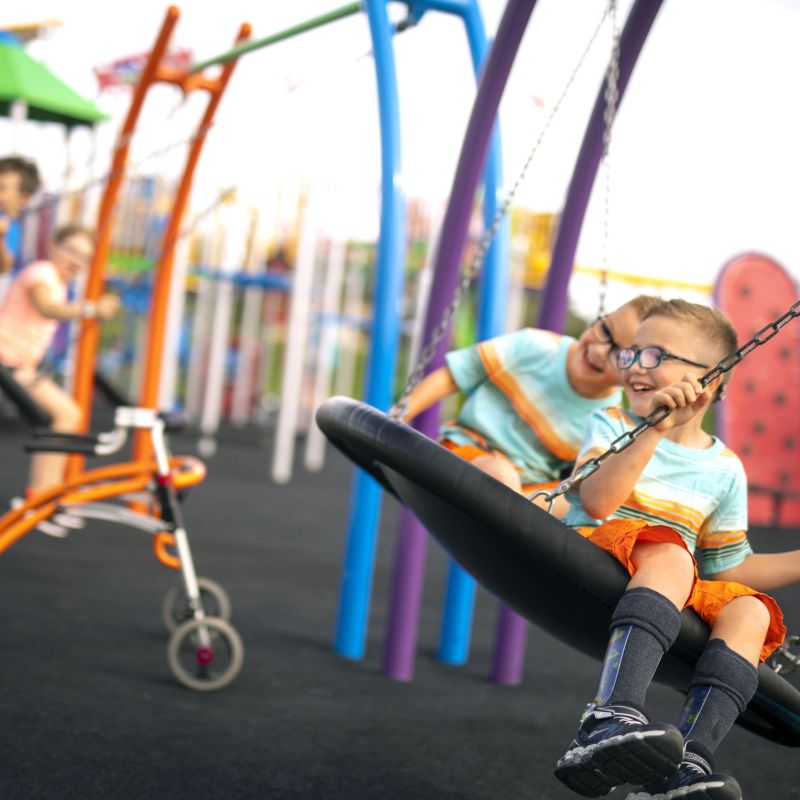
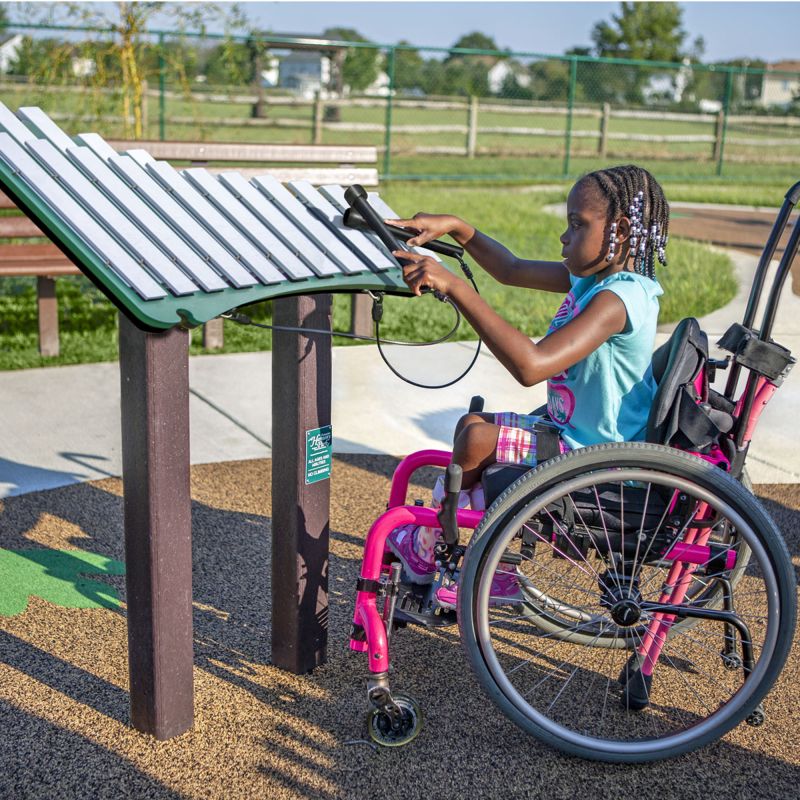
- Enhance Accessibility : Sufficient clearances make equipment approachable for children with different abilities and mobility aids.
Canadian Safety Standards for Playground Equipment Clearances
In Canada, playground equipment should meet standards from the Canadian Standards Association (CSA), most notably CSA Z614 , Children’s Playspaces and Equipment. Typical clearance recommendations include:
- Minimum Clearance : Provide at least 1.8 meters (6 feet) of clearance around equipment for critical fall zones where required.
- Impact-Absorbing Surfaces : Safety zones should use CSA‑approved, impact‑absorbing surfacing such as rubber mulch, engineered wood fibre, or other approved materials.
Research consistently shows that impact‑absorbing surfacing plays a central role in reducing playground injuries.
Following these standards helps protect users and supports regulatory compliance across installation and inspection cycles.
Selecting Playground Equipment Sizes Based on Age Groups and Site Space
Equipment size should reflect who will use the playground and how much space you have. Age‑appropriate dimensions support development, reduce risk, and improve play value for each user group.
Equipment Dimensions for Different Age Ranges and Developmental Needs
Typical sizing guidance by age:
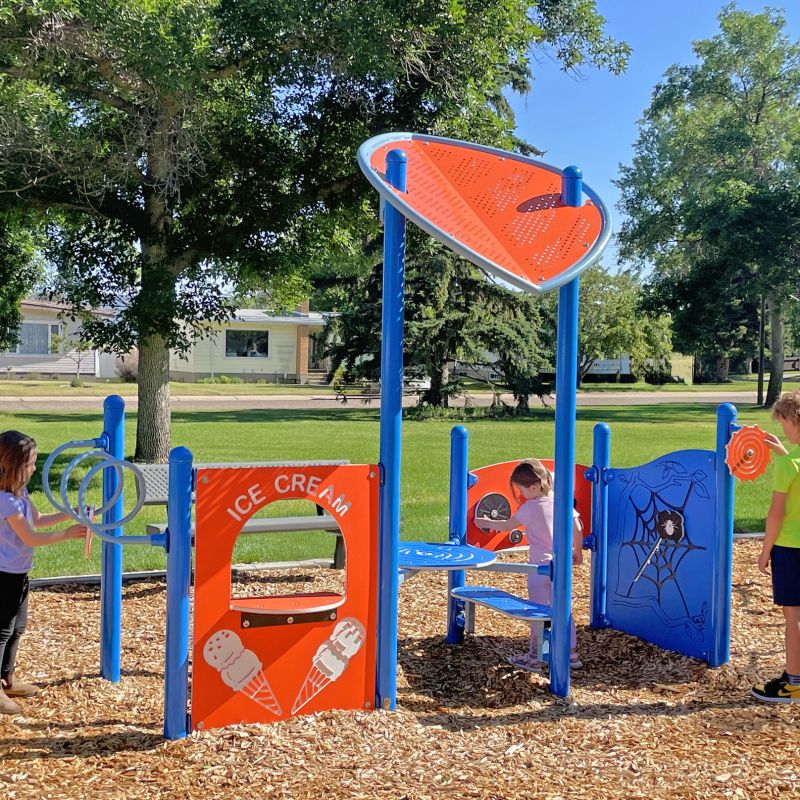
- Toddlers (1–3 years) : Low profiles and simple climbing features. Platform heights generally at or below 0.6 meters (24 inches).
- Preschoolers (3–5 years) : Slightly taller elements with age‑appropriate slides and swings. Platform heights up to about 1.2 meters (48 inches).
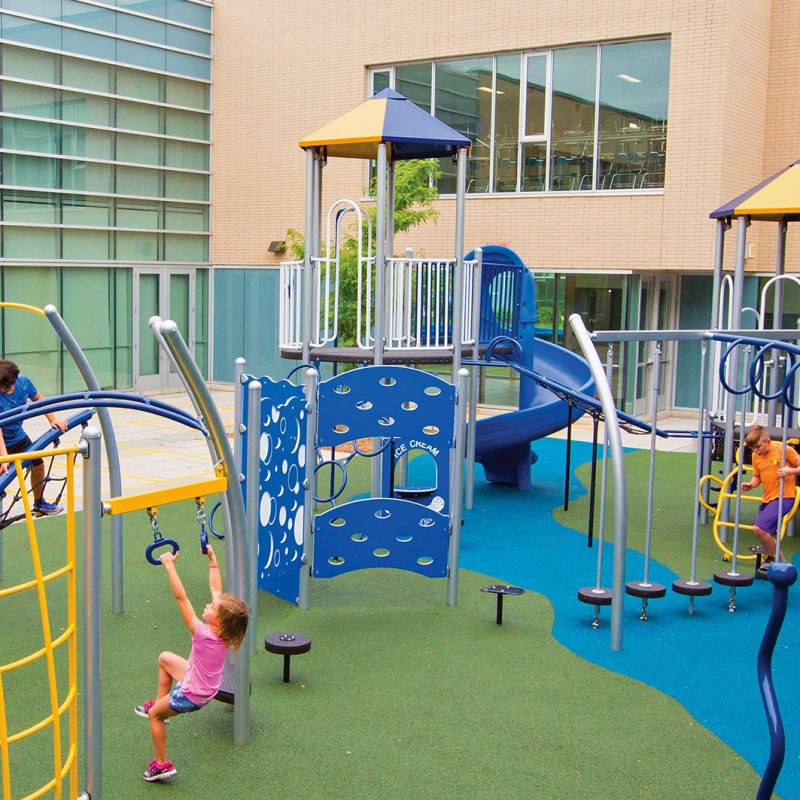
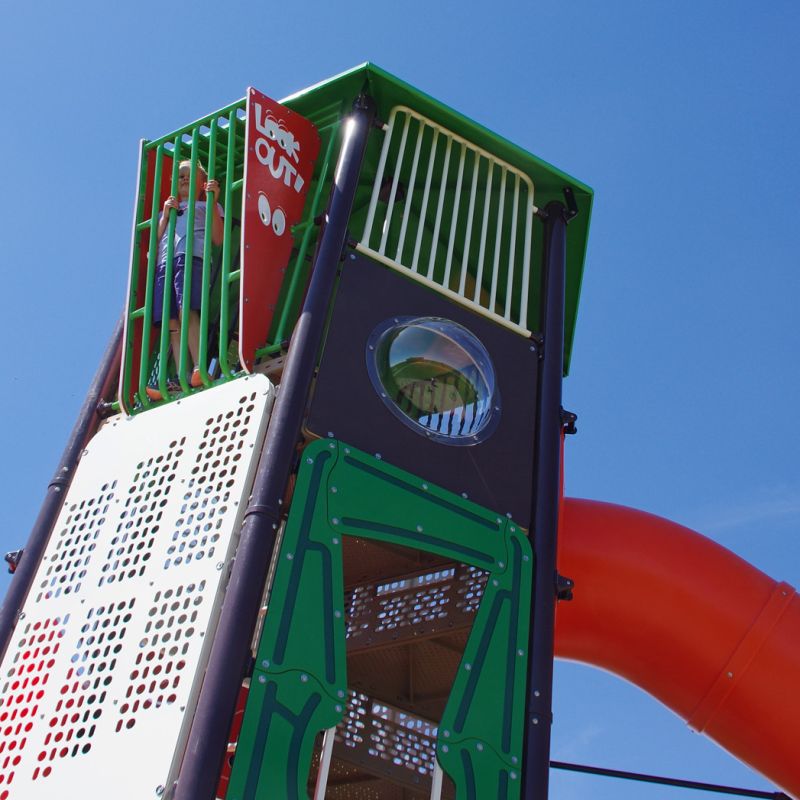
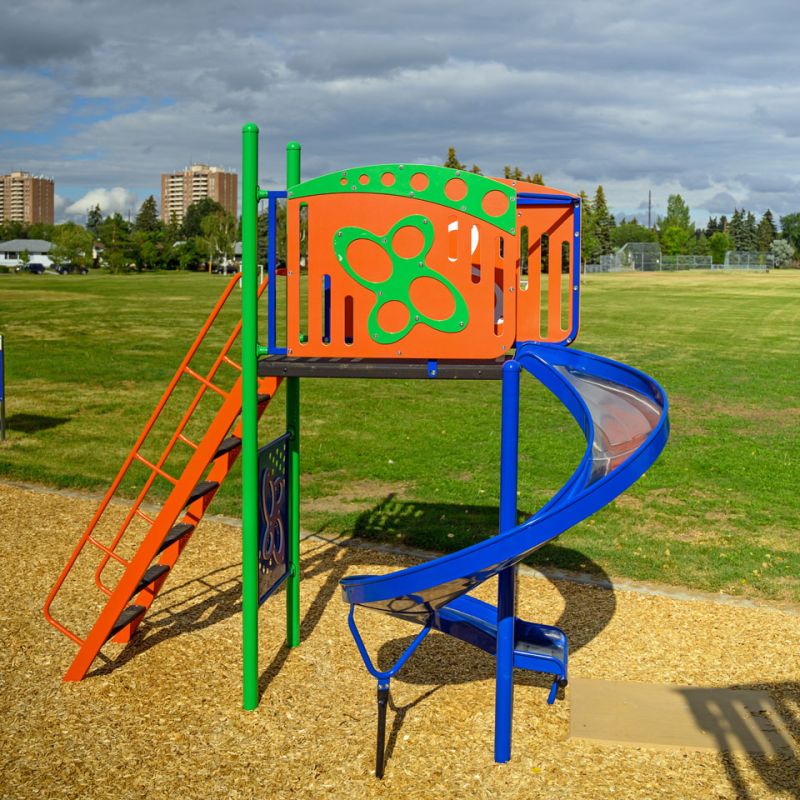
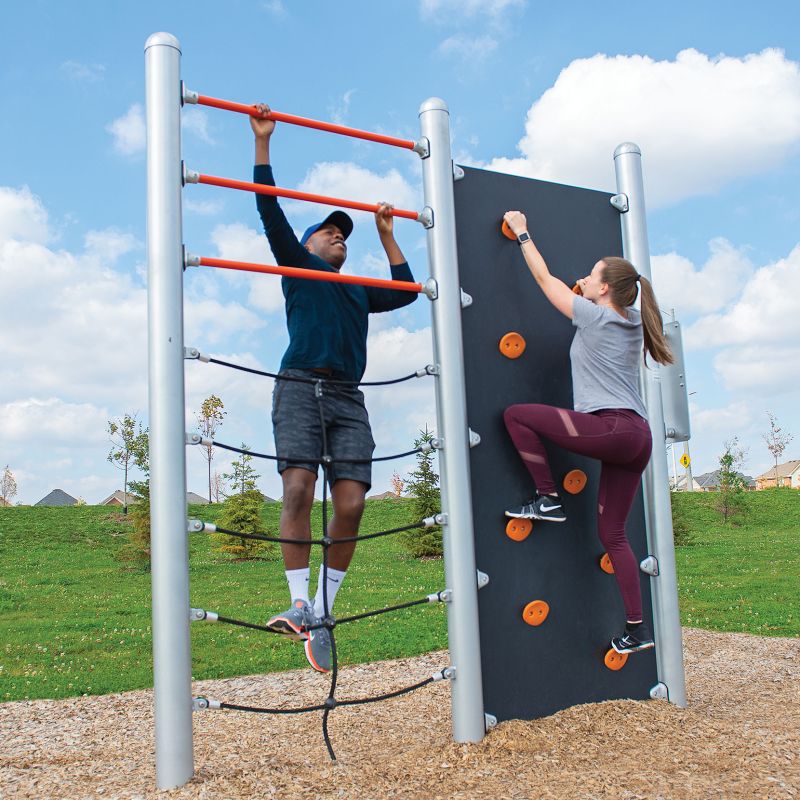
- School‑Aged Children (5–12 years) : Larger, more challenging structures such as climbing walls and multi‑level towers. Platform heights commonly reach 1.8 meters (72 inches) or higher where safe and appropriate.
These dimensions balance challenge and safety so each age group can play confidently.
Designing for age‑appropriateness creates richer, safer play experiences for diverse user groups.
How to Match Equipment Size to Available Playground Space and User Capacity
Use practical planning strategies to fit equipment to your site and expected attendance:
- Space Planning : Measure the total usable area and plan for peak user numbers.
- Equipment Layout : Create layout diagrams to test how pieces and their safety zones interact within the available space.
- User Capacity : Select equipment that comfortably serves the number of children you anticipate, avoiding overcrowding and bottlenecks.
Thoughtful planning ensures a functional, safe playground that meets user needs.
Customizing Playground Equipment to Fit Site Types and Requirements
Customization gives you flexibility to make equipment work for your site, budget, and community. Tailored features can improve access, durability, and visual fit.
Customization Options Blue Imp Offers for Modular Playground Equipment
Blue Imp provides flexible options to tailor modular systems:
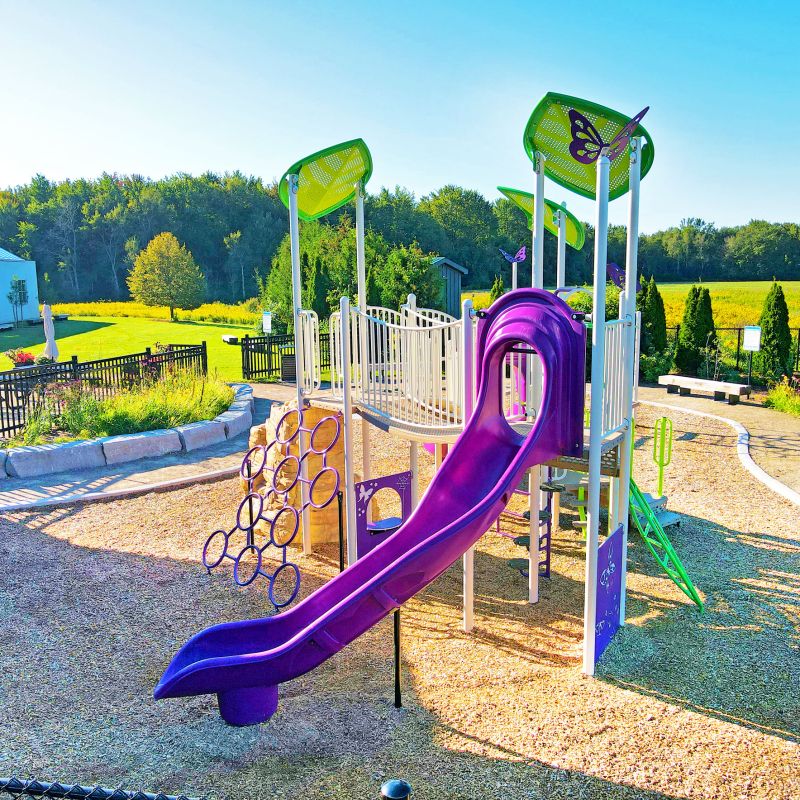
- Color Choices : Choose colors that reflect your site theme or community identity.
- Equipment Configurations : Adjust layouts and component mixes to fit the footprint and user goals of your project.
- Accessibility Features : Add ramps, transfer stations, and sensory elements to improve inclusion for children with disabilities.
These choices let you create a playground that’s both site‑fit and community‑focused.
How Custom Sizing Ensures Compliance with Canadian CSA Playground Standards
Custom sizing helps meet regulatory and practical needs. Working with manufacturers like Blue Imp supports:
- Safety Standards : Equipment designed and tested to meet or exceed CSA Z614 requirements.
- Site‑Specific Needs : Configurations tailored to your site’s dimensions, grades, and user mix.
- Quality Assurance : Durable materials and manufacturing practices that withstand outdoor use and reduce long‑term maintenance.
Custom solutions reduce retrofit risk and simplify compliance during inspections.
Best Practices for Planning Playground Layouts to Optimize Space and Safety
Good layout planning maximizes play value while maintaining safety and accessibility. Use clear rules and visual tools to make confident design choices.
Using Equipment Dimension Charts and Safety Zone Diagrams in Layout Planning
Dimension charts and safety diagrams streamline planning. Use them this way:
- Dimension Charts : Refer to manufacturer dimensions to confirm each piece fits your allotted footprint.
- Safety Zone Diagrams : Apply diagrams to map fall zones, approach areas, and circulation paths so clearances remain intact.
These resources help you visualize and validate layouts before installation.
Tips for Integrating Accessibility and Inclusive Design in Playground Layouts
Prioritize universal access and varied play options to welcome all users:
- Universal Design Principles : Start with design choices that let children of different abilities play together naturally.
- Accessible Pathways : Provide wide, firm routes to and between play features for mobility devices and caregivers.
- Variety of Play Options : Include sensory, social, and physical elements so every child can find meaningful play.
Inclusive layouts increase participation and community value.
Resources and Support for Playground Equipment Sizing and Safety Compliance
Use authoritative resources and experienced partners to stay current and compliant.
Accessing Updated Canadian Safety Standards and Guidelines
For the latest guidance, consult these sources:
- CSA Website : The Canadian Standards Association publishes current standards and related guidance documents.
- Local Government Resources : Municipal offices often provide local bylaws and permitting requirements for playgrounds.
- Industry Associations : Professional groups and safety organizations offer training, checklists, and best practices.
Regularly reviewing these resources helps you maintain safe, code‑compliant play spaces.
Consultation Services Blue Imp Offers for Playground Project Planning
Blue Imp supports projects from concept through installation with the following services:
- Site Assessments : We evaluate your site and recommend equipment and layout options that suit your constraints and goals.
- Design Support : Our team helps develop plans that meet safety standards and user needs.
- Ongoing Support : We provide guidance through procurement, installation, and commissioning to help ensure a successful outcome.
These services simplify the planning process and reduce uncertainty during project delivery.
Frequently Asked Questions
What are the key factors to consider when selecting playground equipment for different age groups?
Focus on developmental needs, safety, and engagement. For toddlers (1–3 years) choose low, simple elements. Preschoolers (3–5 years) can use slightly taller, guided challenges like small slides. School‑aged children (5–12 years) benefit from larger, more complex structures. Always verify equipment meets applicable safety standards and supports social and physical development.
How can I ensure that my playground design is inclusive for children with disabilities?
Build to universal design principles: provide accessible routes, sensory play elements, and equipment that supports multiple ways to engage. Consult with accessibility specialists and gather input from families to make sure design choices meet real needs.
What are the benefits of using impact-absorbing surfaces in playgrounds?
Impact‑absorbing surfaces reduce the severity and likelihood of fall injuries. Materials such as rubber mulch or engineered wood fibre cushion falls, and are proven to lower injury rates compared with non‑absorbing surfaces. Choosing the right surfacing also helps you meet safety standards.
How can I effectively plan the layout of my playground to maximize safety and usability?
Start with accurate site measurements and expected user numbers. Use dimension charts and safety zone diagrams to place equipment with required clearances. Provide clear sightlines and accessible pathways, and review the layout with stakeholders and safety auditors before installation.
What resources are available for ongoing maintenance and safety checks of playground equipment?
Use manufacturer maintenance guides, municipal inspection checklists, and training from industry associations. Regular inspections should check for wear, loose fittings, surfacing condition, and compliance with safety standards to keep the playground safe and serviceable.
How can I find funding or grants for building a new playground?
Explore municipal grants, community foundations, and nonprofits that fund recreational projects. Consider sponsorships, crowdfunding, and partnerships with local businesses. A clear project plan and community engagement make funding proposals more competitive.
Conclusion
Right‑sized playground equipment balances safety, accessibility, and play value. With accurate measurements, correct safety zones, and age‑appropriate design, you can create durable, inclusive play spaces.
Need Help Navigating Playground Planning?
Designing the perfect playground involves many factors, from precise site measurements and safety clearances to age-appropriate equipment sizing and accessibility considerations. It can be overwhelming to balance all these elements while ensuring compliance with Canadian standards.
Blue Imp offers personalized playground planning services to guide you through every step. Our experts will help you create a safe, inclusive, and engaging play space tailored to your site and community needs.
