
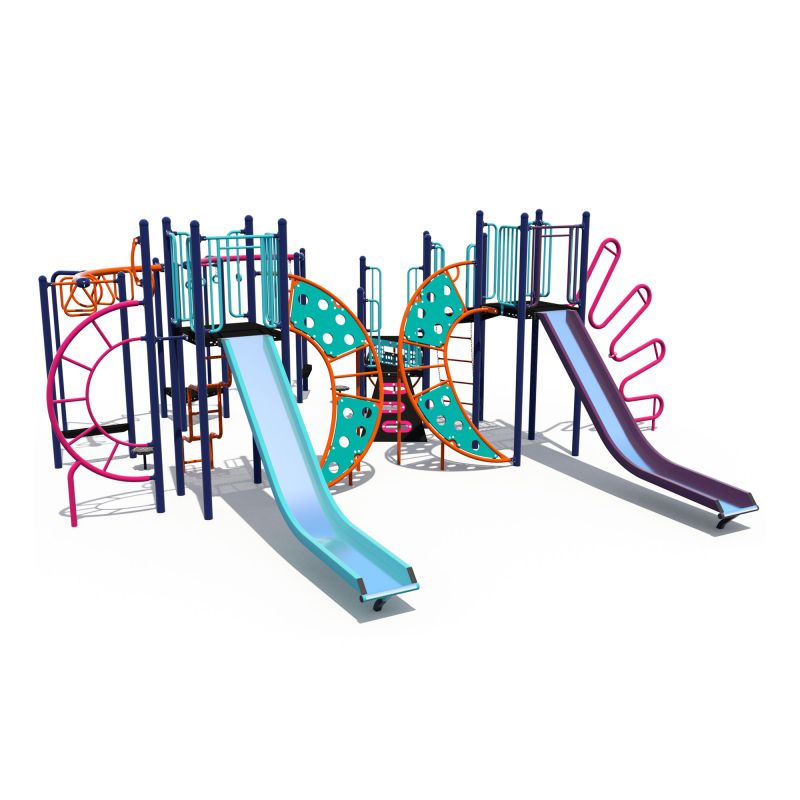
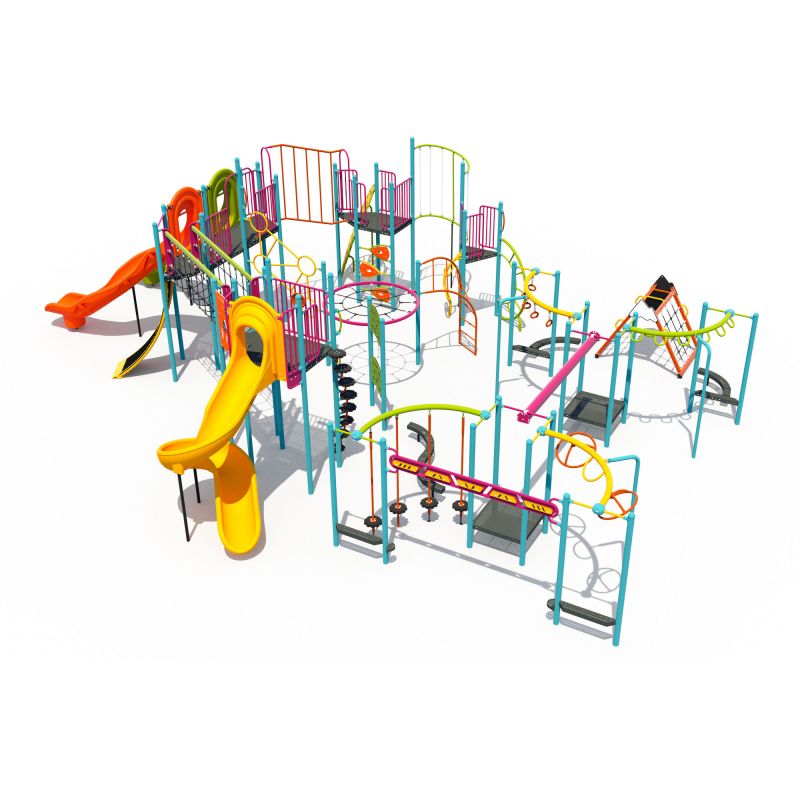
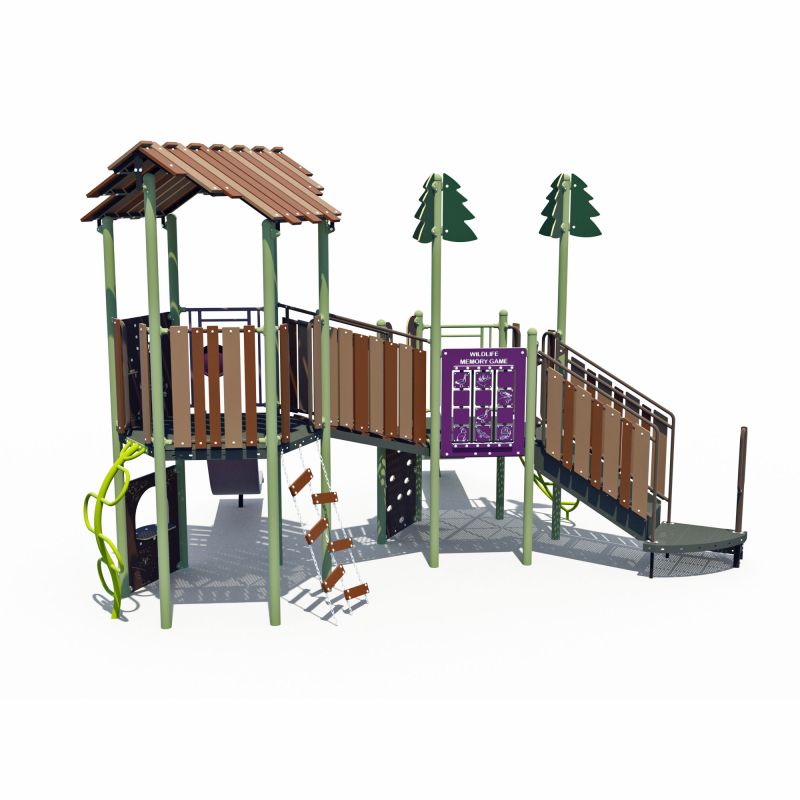

Knowing the typical lifespan of playground equipment helps schools, municipalities and community groups plan safer, longer‑lasting play spaces. Materials like metal, wood and plastic age differently depending on their properties, the local climate and how well they’re maintained. Below we explain typical lifespans for each material, the factors that shorten or extend service life, and practical maintenance tips to get the most from your investment. We also look at how Canadian manufacturing, including products from Blue Imp, contributes to durability and serviceability.
Typical Lifespans by Equipment Type
Lifespan depends mainly on material and site conditions. In general, metal structures tend to outlast wooden and plastic pieces, but the right finish and upkeep make a big difference across all types. Use these ranges to set expectations and plan maintenance.
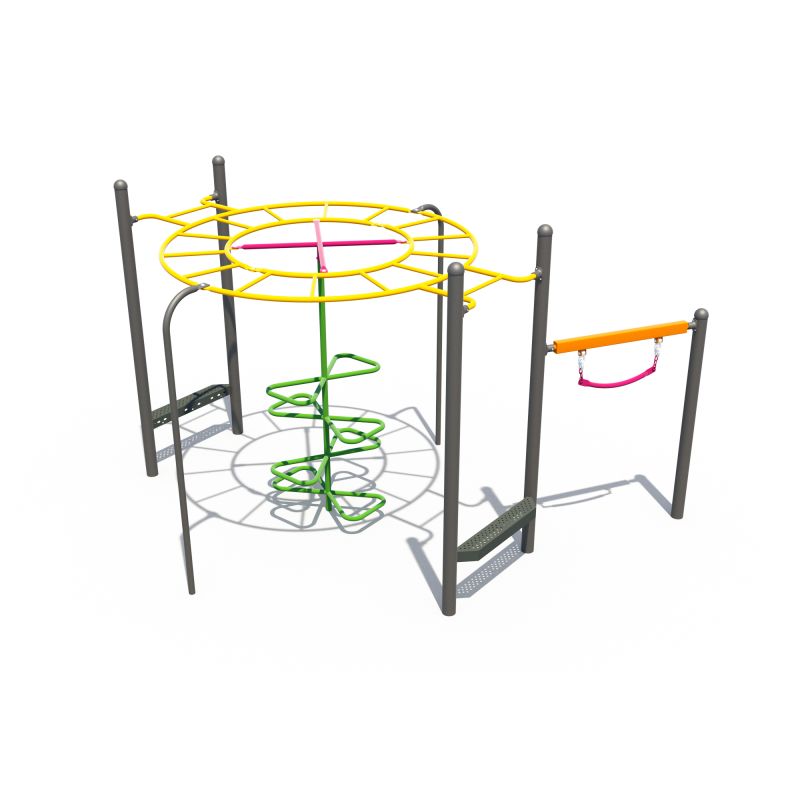
Average Lifespan for Metal Playground Structures
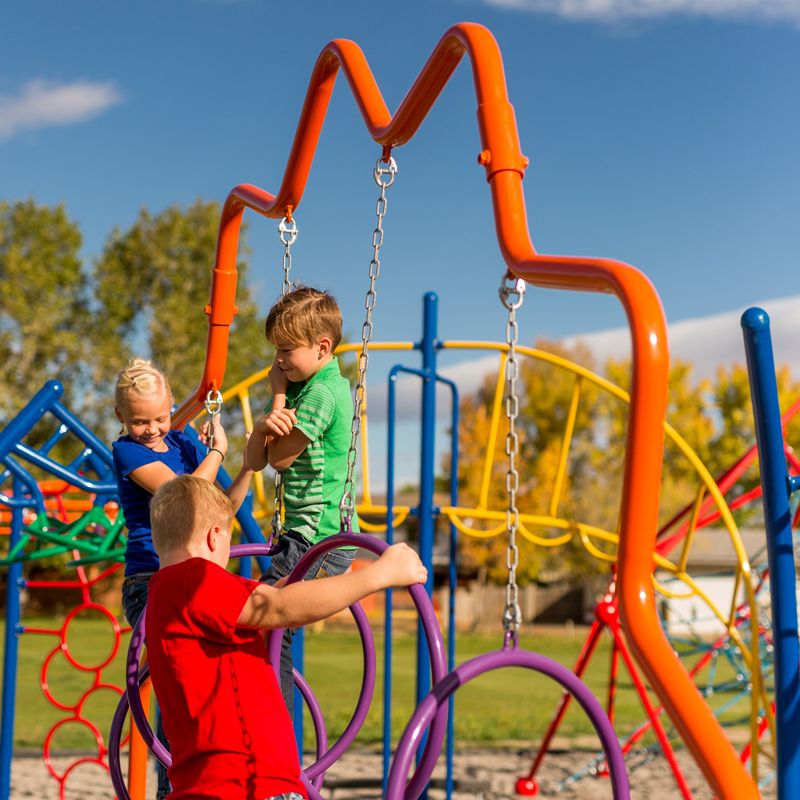
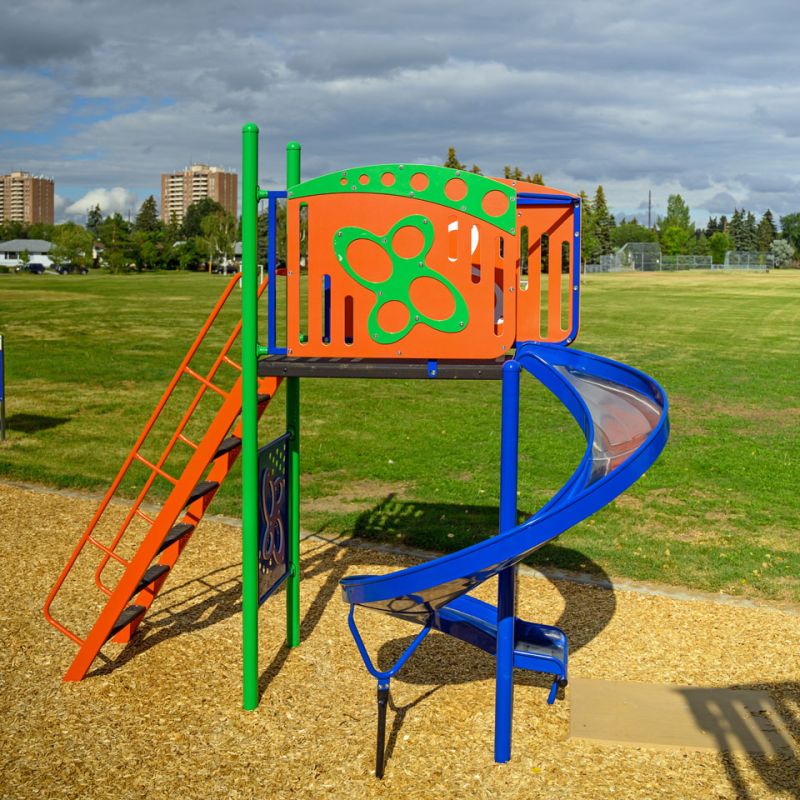
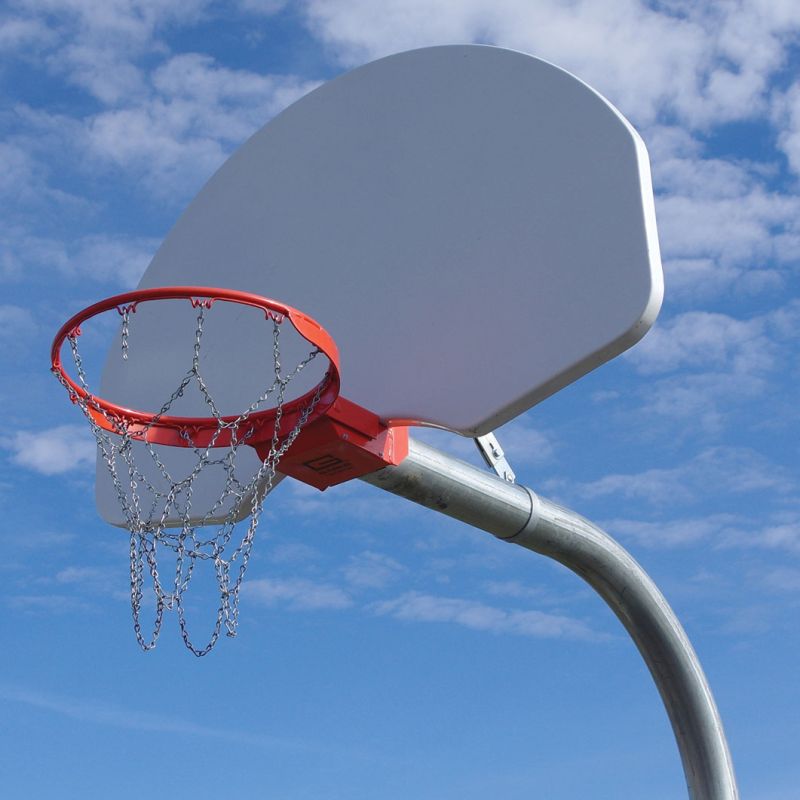
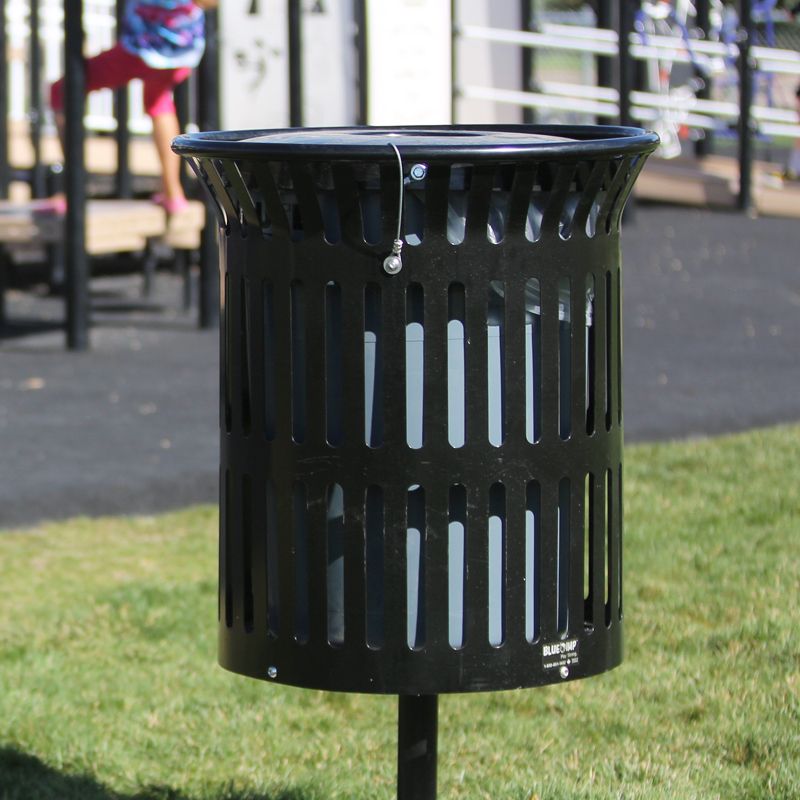
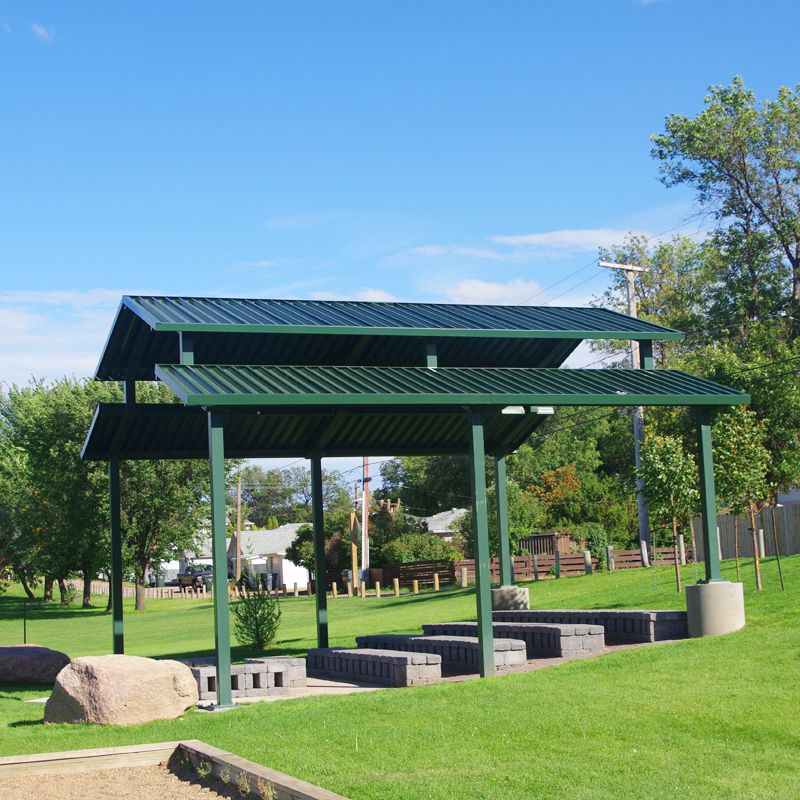
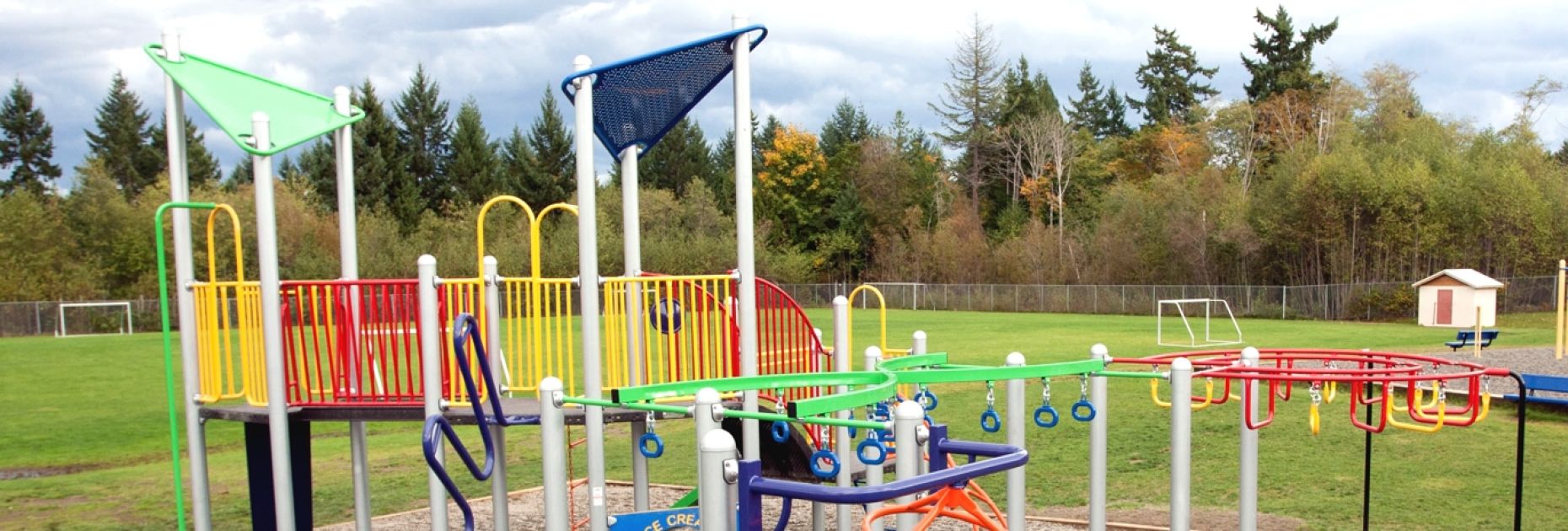
Metal playground structures commonly last more than 30 years. Their strength makes them resilient to heavy use and harsh weather, and treatments such as protective coatings and routine care can push that lifespan toward the higher end. Regular inspections and corrosion prevention are key to keeping metal equipment safe and functional over decades.
A historical note highlights how early advances in metal treatment dramatically extended service life.
Expected Lifespan for Plastic and Wood Equipment
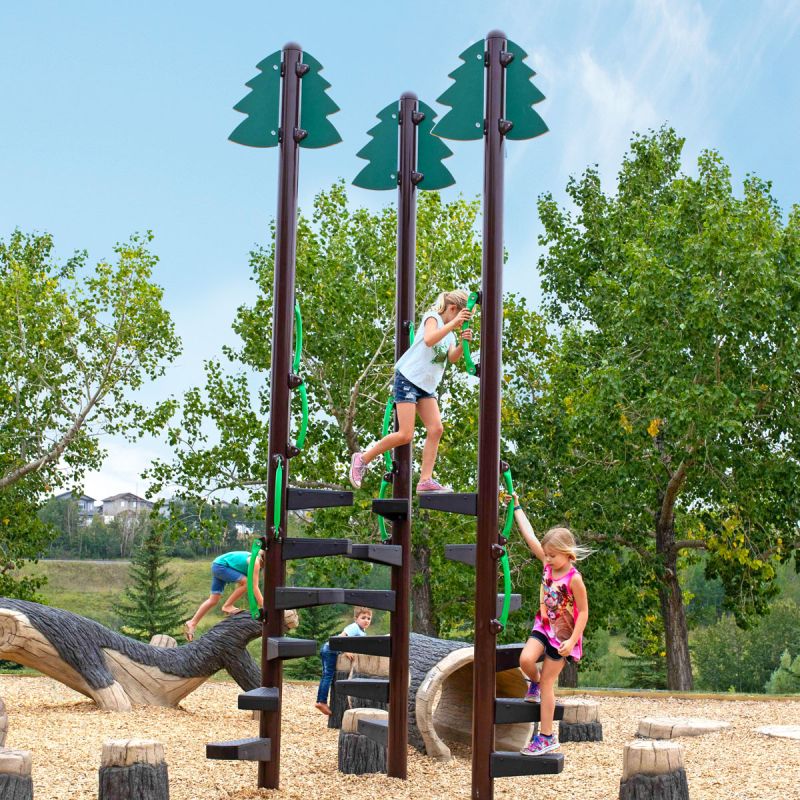
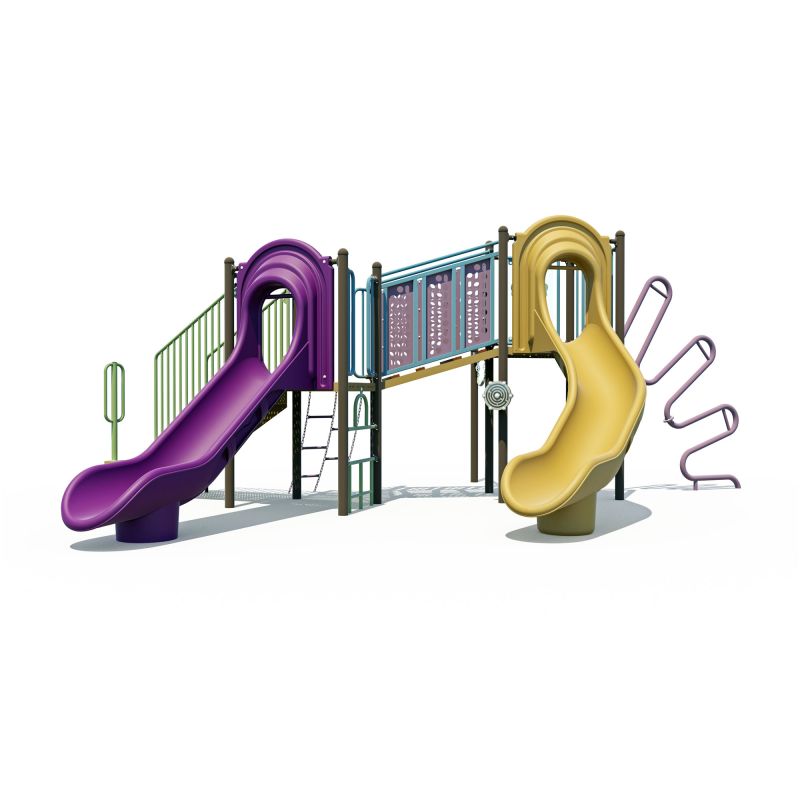
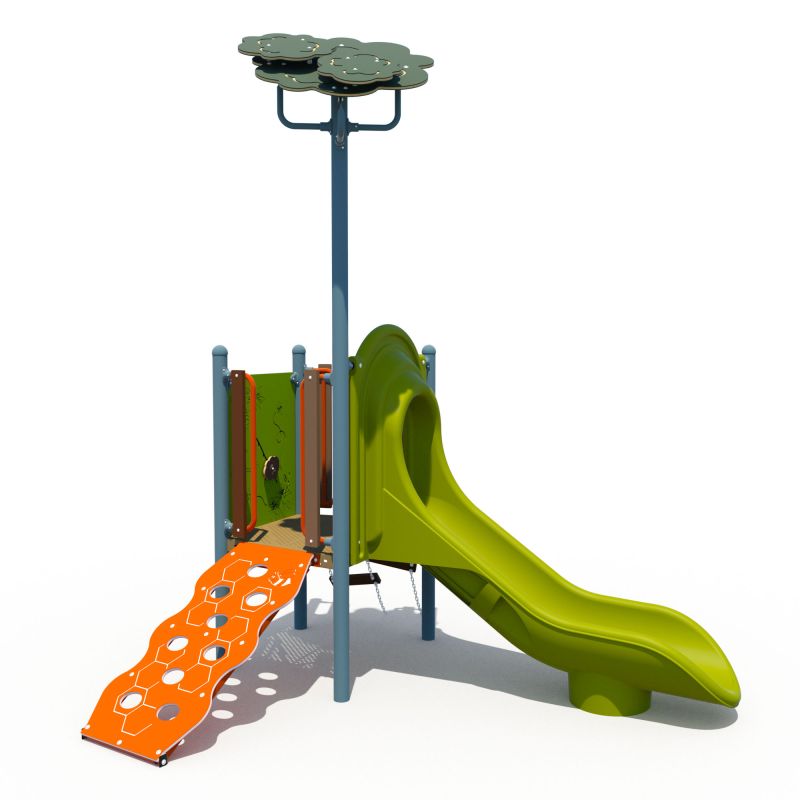
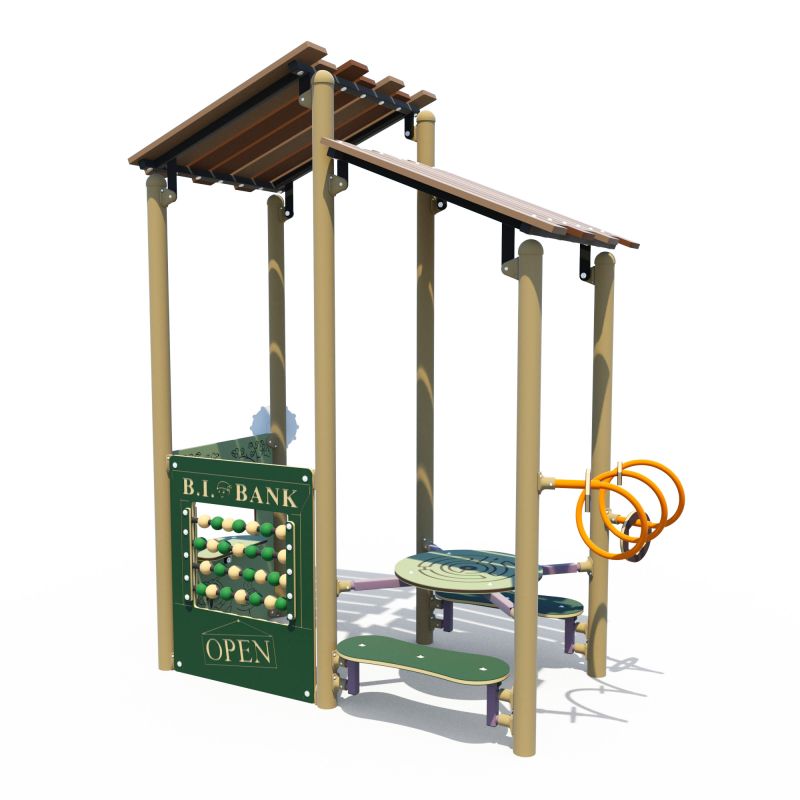
Playground elements made of plastic typically last for up to 20 years; UV exposure and mechanical wear are common drivers of degradation and plastic can be more prone to vandalism than metal. Lastly, wooden playground components generally last 10 to 20 years, depending on climate, wood species and preservative treatments that protect against rot and pests. Routine inspections and timely repairs can improve longevity for both materials.
What Influences Durability and Lifespan?
Several practical factors determine how long playground equipment will perform safely and reliably. Recognizing these helps you choose the right products and design an effective maintenance plan.
Environmental Impacts on Service Life
Weather has a big effect: rain, snow and humidity can promote rot and corrosion, while intense sun accelerates fading and embrittlement in plastics. Metal parts left unprotected are vulnerable to rust; untreated wood can warp or decay. Selecting materials and finishes suited to your climate is a simple way to improve long‑term performance.
Usage, Maintenance and Their Role in Longevity
How often equipment is used, and how it’s maintained, directly affects lifespan. Regular inspections catch problems early; routine tasks like cleaning, tightening fasteners and reapplying protective coatings prevent small issues from becoming major repairs. A maintenance schedule tailored to material type and local conditions delivers the best returns.
The need for a consistent, documented maintenance program is a recurring recommendation in safety research.
How Canadian Manufacturing Affects Quality and Lifespan
Canadian manufacturing can improve durability through local quality control, access to suitable materials, and adherence to regional safety standards. Manufacturers like Blue Imp design and build products with those local conditions and requirements in mind.
Benefits of Choosing Canadian‑Made Playground Equipment
Buying Canadian supports local industry and often means shorter supply chains and faster access to spare parts and service. Canadian manufacturers typically follow strict safety and quality processes, which contributes to longer service life and simpler lifecycle support.
How Canadian Standards Promote Longevity
Canadian safety standards require testing and quality checks that help ensure products withstand outdoor use. Compliance with these frameworks not only improves safety for children but also encourages manufacturers to build equipment that lasts.
Best Maintenance Practices to Extend Lifespan
Consistent, practical maintenance is the single most effective way to preserve playground equipment and avoid costly replacements. Below are recommendations to keep equipment safe and serviceable.
Recommended Inspection Frequency
Inspect playground equipment at least twice a year, and always after major storms or extreme weather. Inspections should look for wear, corrosion, loose fasteners and structural damage. Timely interventions, tightening, replacing worn parts, or restoring protective finishes, keep equipment safe and reliable.
Maintenance Schedules by Material
Each material needs targeted care: regularly check metal for corrosion and maintain protective coatings; treat and seal wood to prevent rot and insect damage; inspect plastic for cracks and UV degradation. A material‑specific schedule makes maintenance predictable and more effective.
Frequently Asked Questions
What are the signs that playground equipment needs maintenance?
Look for visible rust on metal, splintering or cracking in wood, and fading or brittleness in plastic. Other red flags include loose or missing bolts, unstable components, sharp edges and unusual noises. Regular checks and prompt repairs prevent small problems from becoming safety hazards.
How can weather conditions influence material choice?
Climate matters: high humidity and salty air increase corrosion risk, so corrosion‑resistant metals and robust coatings are advisable. Sunny climates benefit from UV‑stabilized plastics. Wood needs proper treatment in wet environments. Matching materials and finishes to local conditions reduces deterioration over time.
What are the cost implications of maintaining playground equipment?
Routine inspections and minor repairs are relatively low‑cost compared with full replacements. Investing in maintenance extends service life, lowers long‑term capital costs and reduces liability risk, making it a cost‑effective strategy for schools and municipalities.
Are there certifications to look for in playground equipment?
Yes. Look for recognized standards such as ASTM and CSA certifications. These indicate the equipment has met established safety and durability tests and give you confidence in both performance and compliance.
What role can community organizations play in maintenance?
Community groups often support inspections, minor repairs and fundraising for maintenance. Volunteer involvement builds local ownership and can supplement municipal efforts, helping keep playgrounds safe and well maintained.
How can technology support playground maintenance?
Technology can help by tracking inspections, scheduling maintenance and monitoring usage. Mobile apps and digital records make it easier to keep up with tasks, while sensors and condition‑monitoring tools can alert teams to developing issues before they become serious.
Conclusion
Choosing durable playground equipment and following a practical maintenance plan are the best ways to protect your investment and keep children safe. Understanding material lifespans, selecting products suited to your climate, and partnering with reliable manufacturers, like Blue Imp, will help you build play spaces that last.
Ready to Invest in Long-Lasting Playground Equipment?
Discover how Blue Imp can provide durable, safe, and locally manufactured playground solutions tailored to your community’s needs. Contact us today to learn more and get a customized quote.
