

Choosing the right playground equipment for schools is more than a purchase. It’s an investment in your school community—in students’ physical, social, and emotional growth. The best school playgrounds are outdoor classrooms where learning comes alive through movement, teamwork, and imagination.
Building Your School’s Outdoor Classroom
A well-designed school playground is a vital extension of your learning environment. It’s where students burn off energy, forge friendships, learn social dynamics, and build physical confidence. This space quickly becomes a hub of community, not just during school hours but for families in the neighbourhood, too.
For school boards, parent councils, and community groups driving these projects, the process can feel daunting. You’re trying to meet the needs of a wide range of students while navigating budgets, safety standards, and the need for long-term durability. The goal is to create a playground that isn’t just fun, but is also inclusive, compliant, and tough enough to handle daily play and Canadian weather.
A Roadmap for Success
Consider this guide your roadmap. We’ll walk you through the entire process of planning, designing, and bringing your perfect school playground to life. Together, we’ll explore how to pick equipment that encourages all kinds of play, from high-energy climbing to quiet, sensory activities. Getting these foundations right is the first step toward creating a space that works for every student.
A great playground is an investment in community well-being. It provides a setting where children of all abilities can develop physical confidence, social skills, and a lasting love for active living, all through the simple act of play.
We’re here to help you make informed, confident decisions by diving into the topics that matter most:
- Understanding Core Equipment: We’ll look at the main types of playground structures and freestanding pieces that come together to create a well-rounded play experience.
- Inclusive Design Principles: We’ll cover how to move beyond basic accessibility and create spaces where every child feels they belong.
- Budgeting and Planning: A practical look at project costs—from equipment and surfacing to installation—and how to maximize the value of your investment.
- Long-Term Durability: We’ll focus on what it takes to maintain your playground and why choosing materials built for Canadian seasons is essential.
Drawing on our century-deep expertise as Canada’s longest-standing playground manufacturer, we at Blue Imp are committed to helping schools create vibrant, lasting outdoor classrooms. Let’s get started on building a space that will inspire movement, learning, and connection for generations.
Understanding the Building Blocks of Play
A great school playground is more than a collection of equipment; it’s a balanced ecosystem of activity. A strong playground should offer a variety of experiences that encourage climbing, swinging, spinning, socializing, and quiet reflection. This balance is key to getting every student excited to play.
This is why choosing your equipment is so important. You’re not just buying pieces; you’re selecting the essential building blocks for a complete play experience.
Multi-Component Structures: The Central Hub
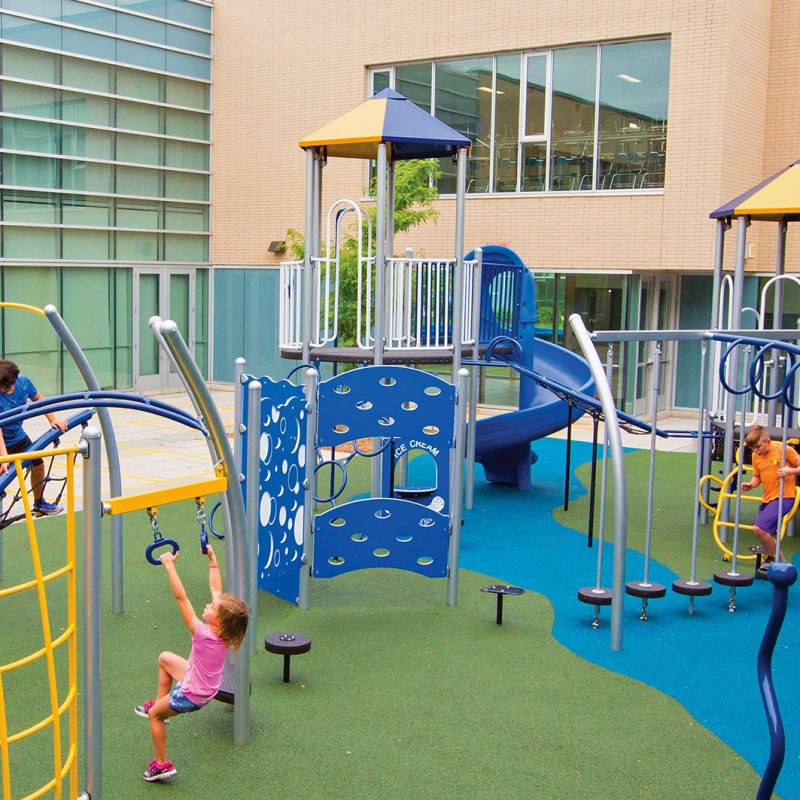
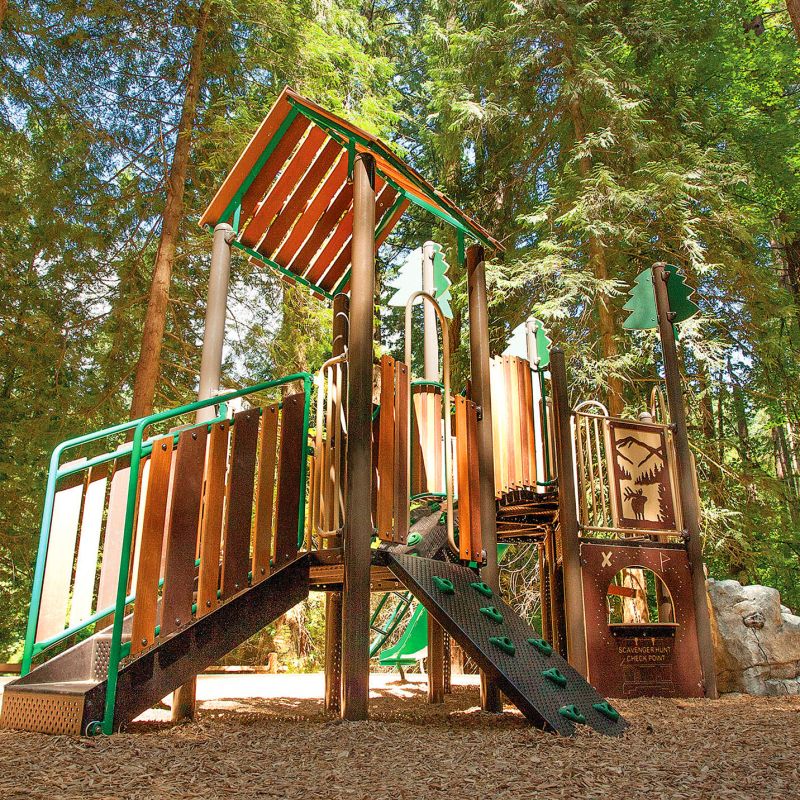
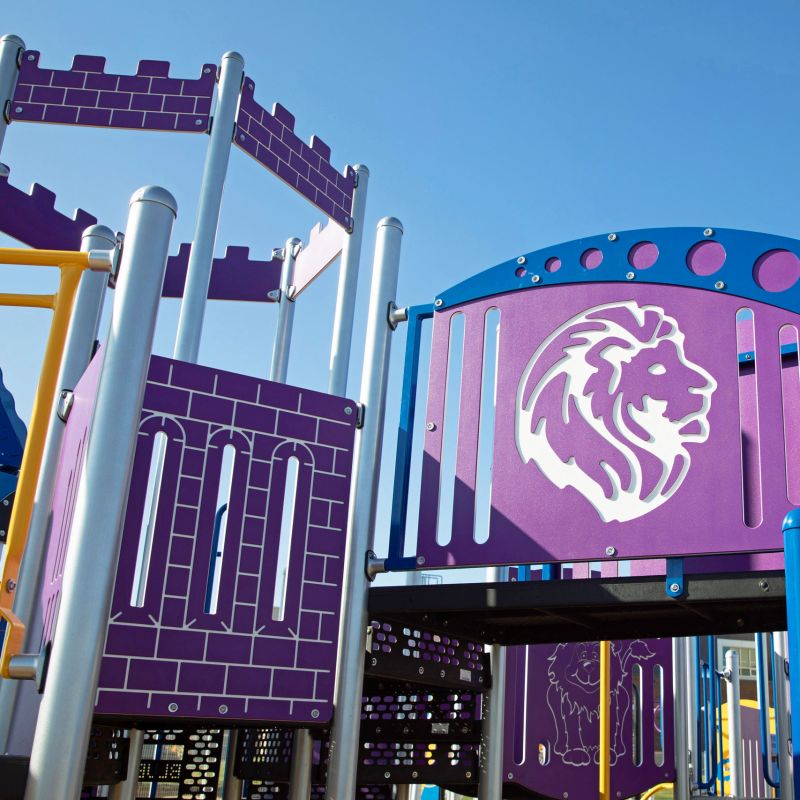
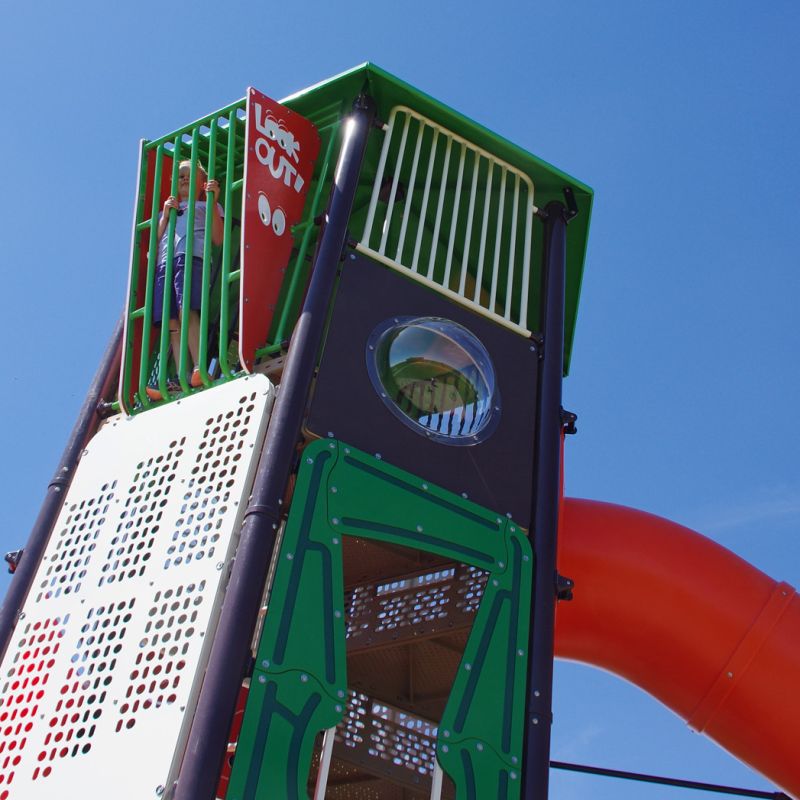
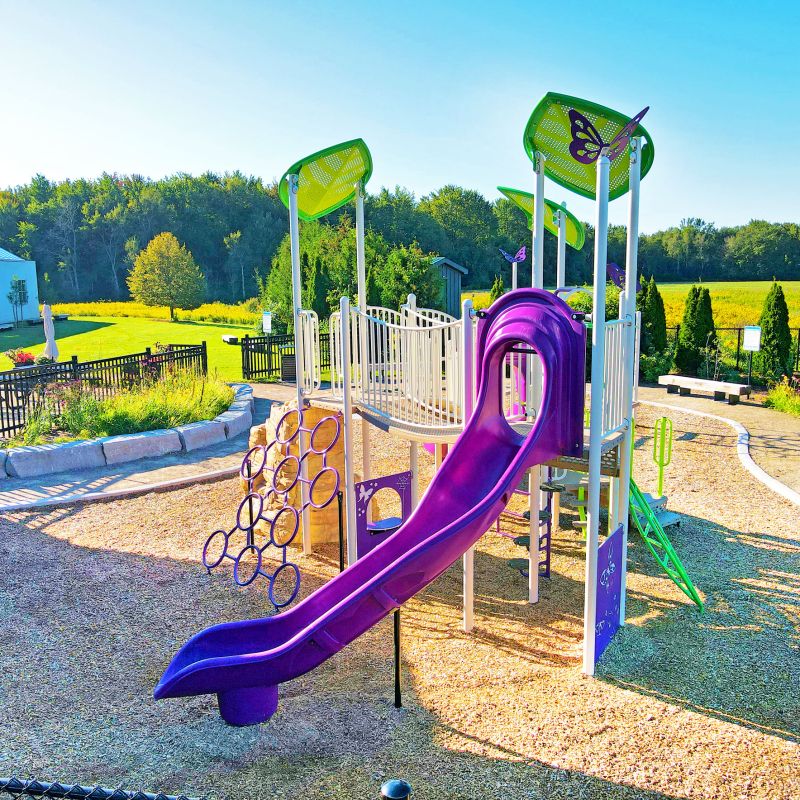
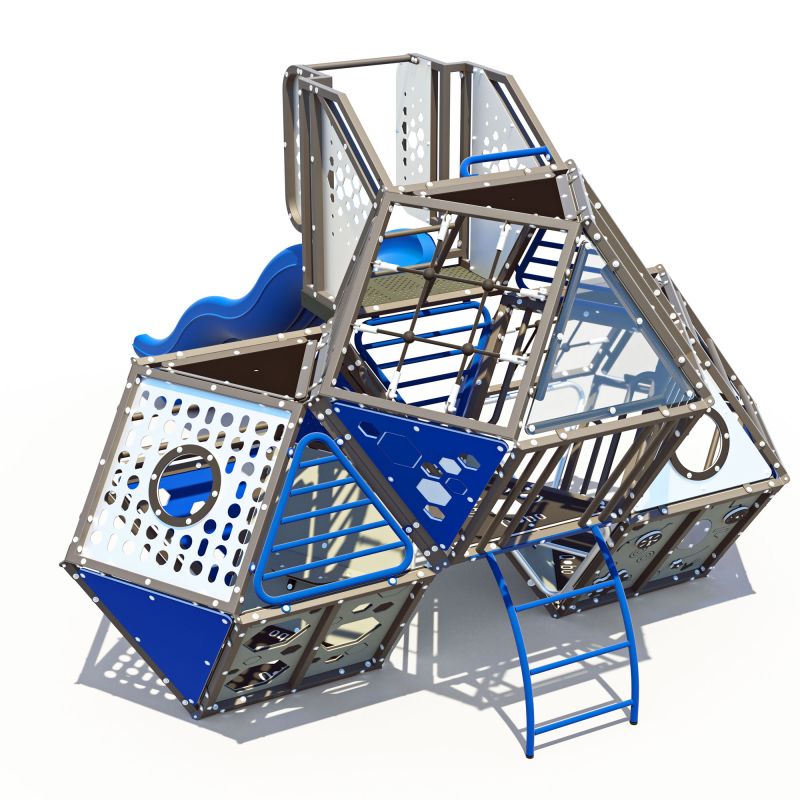
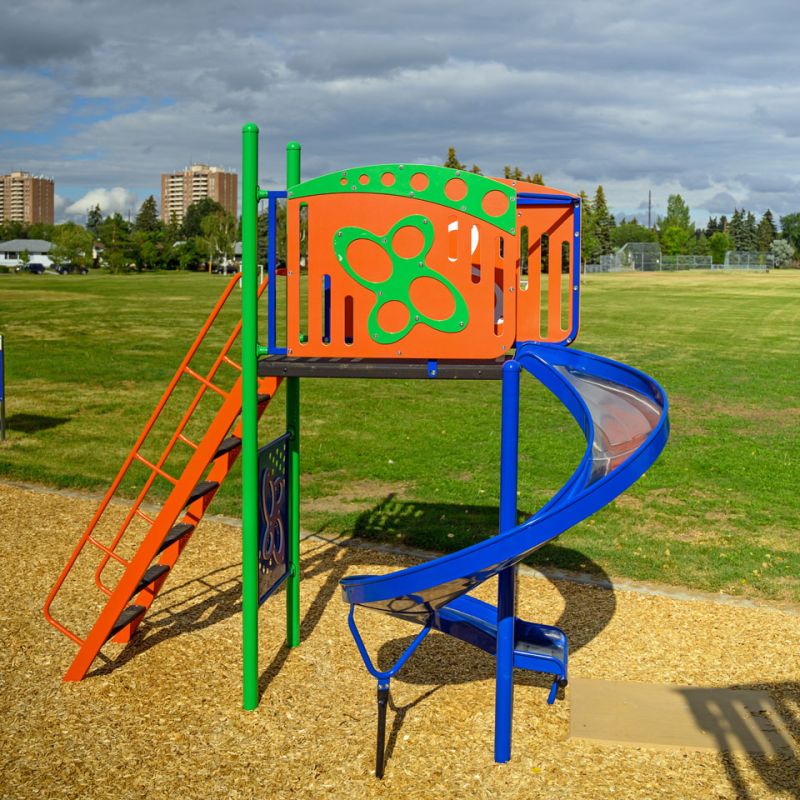
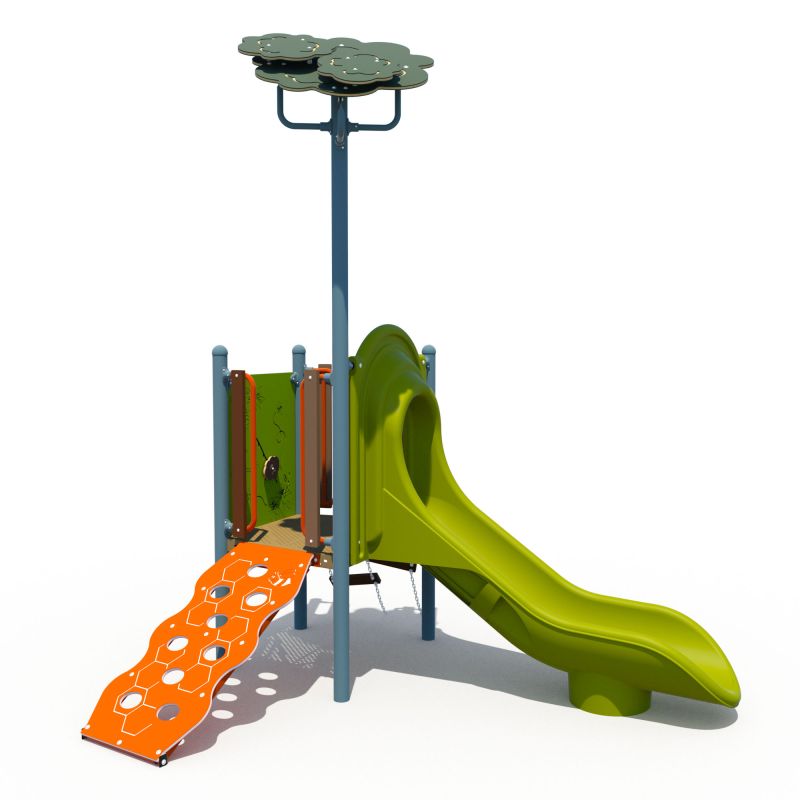
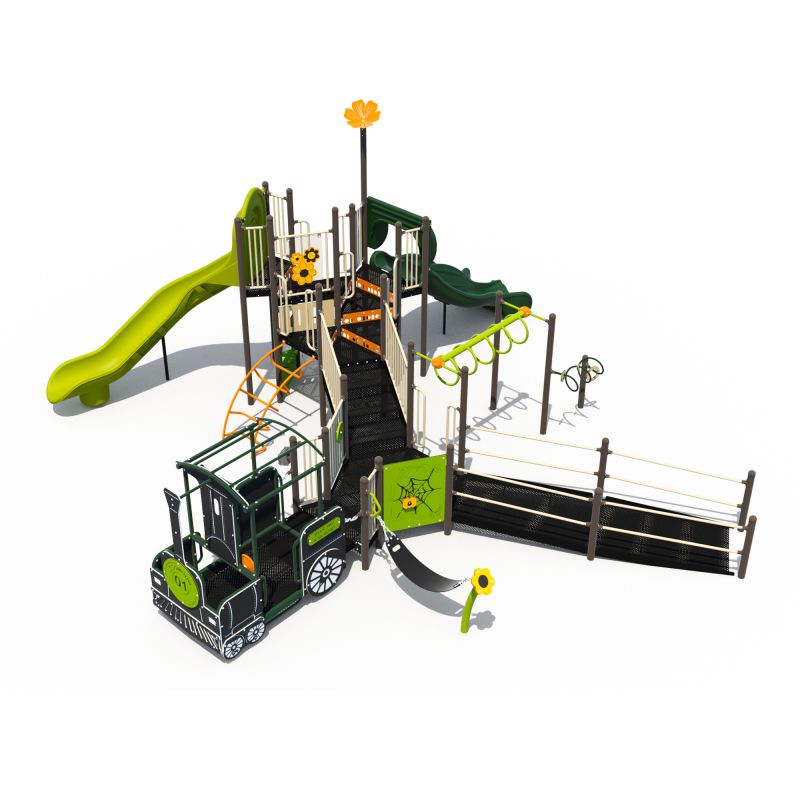
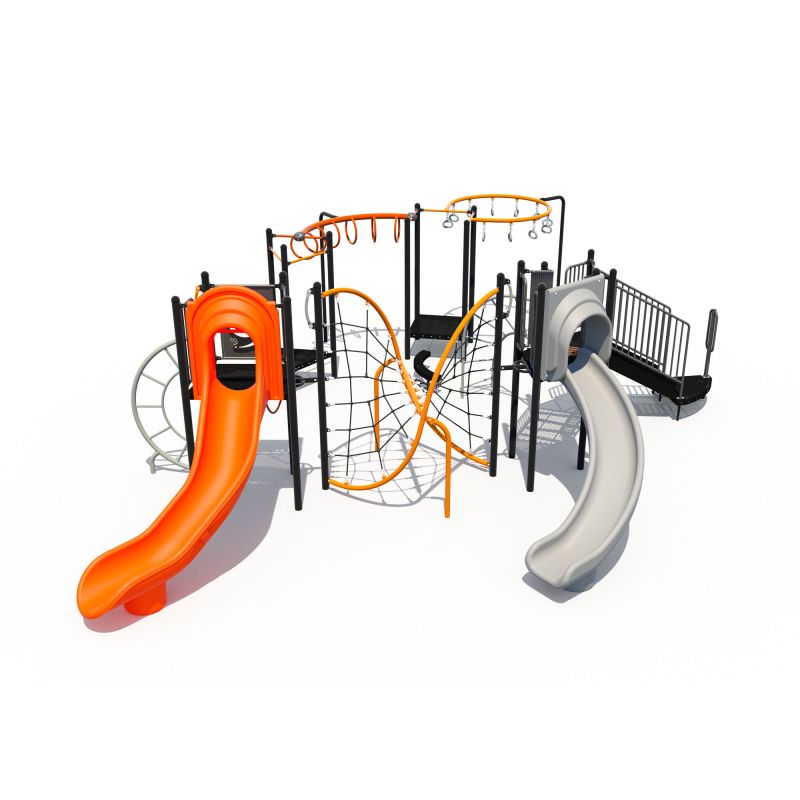
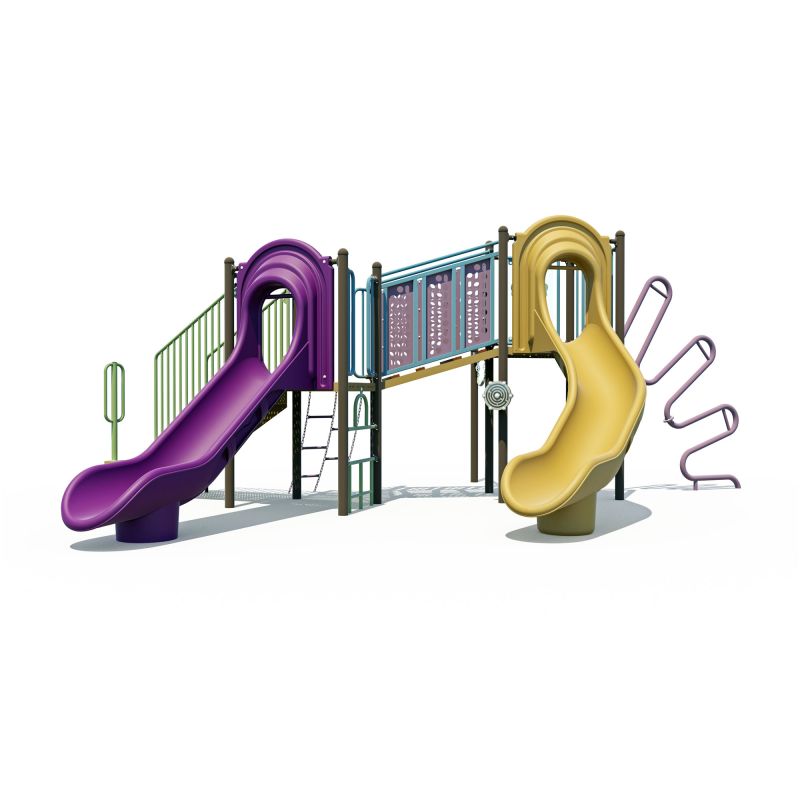
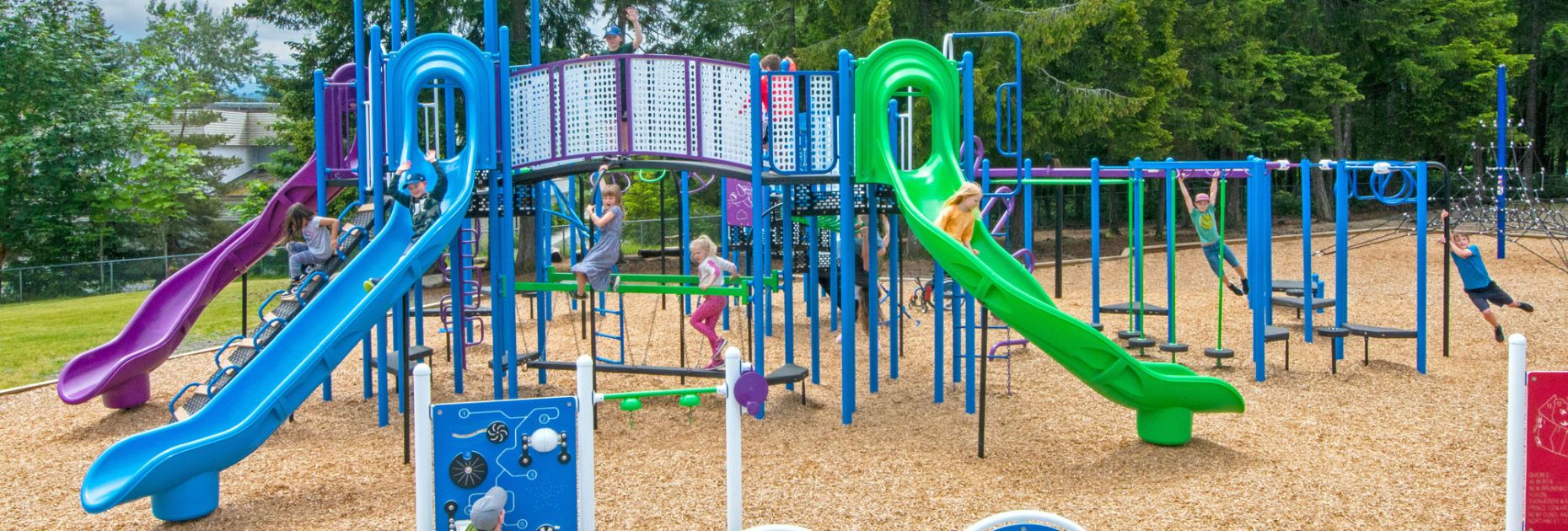
At the heart of most school playgrounds is a multi-component structure. These interconnected systems act as the main attraction, blending multiple activities into one cohesive unit. They become social hubs where kids meet, interact, and challenge each other.
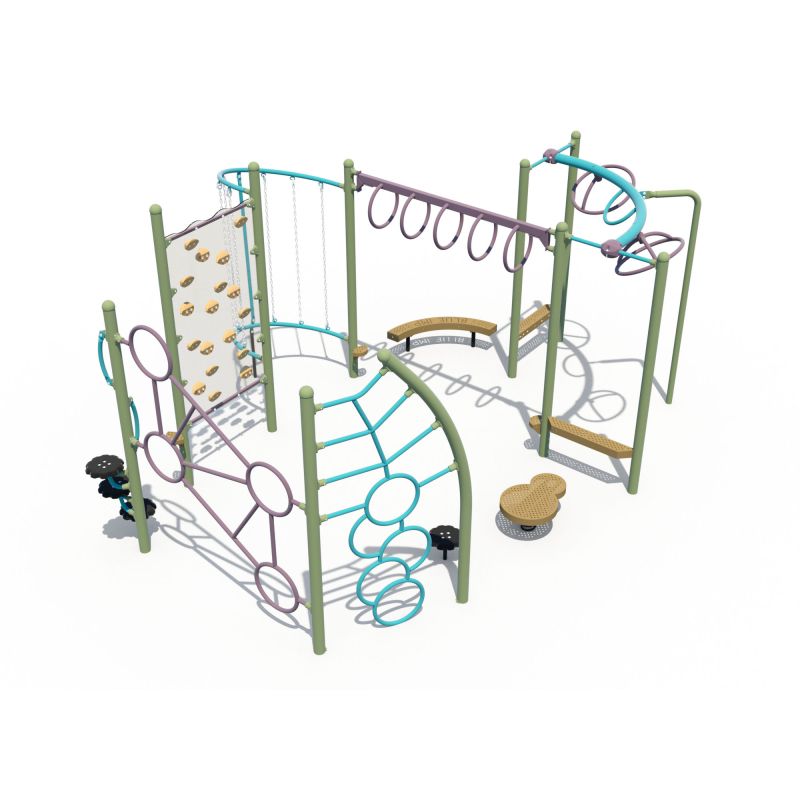
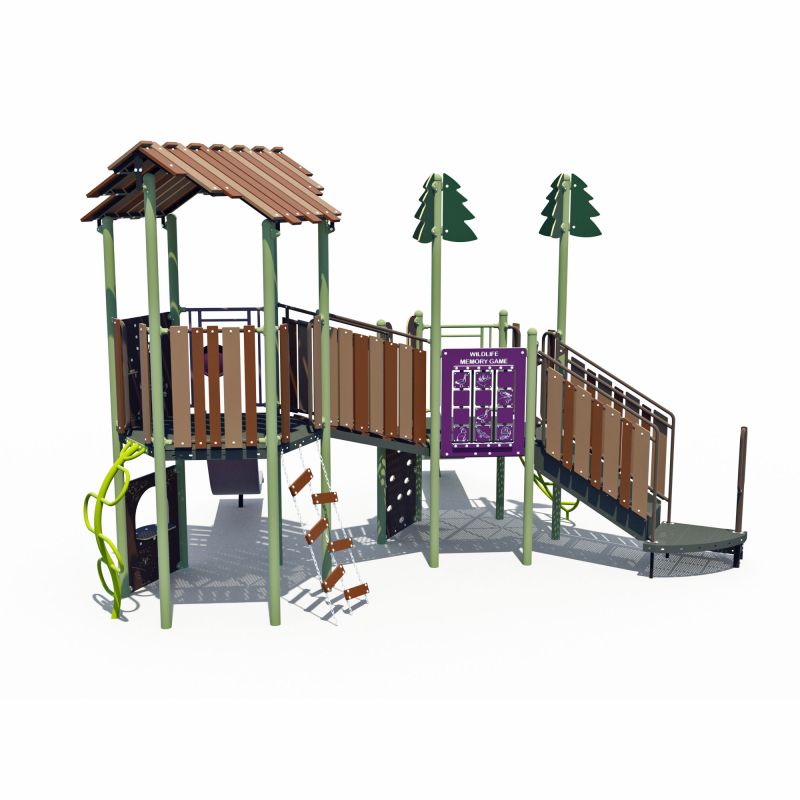
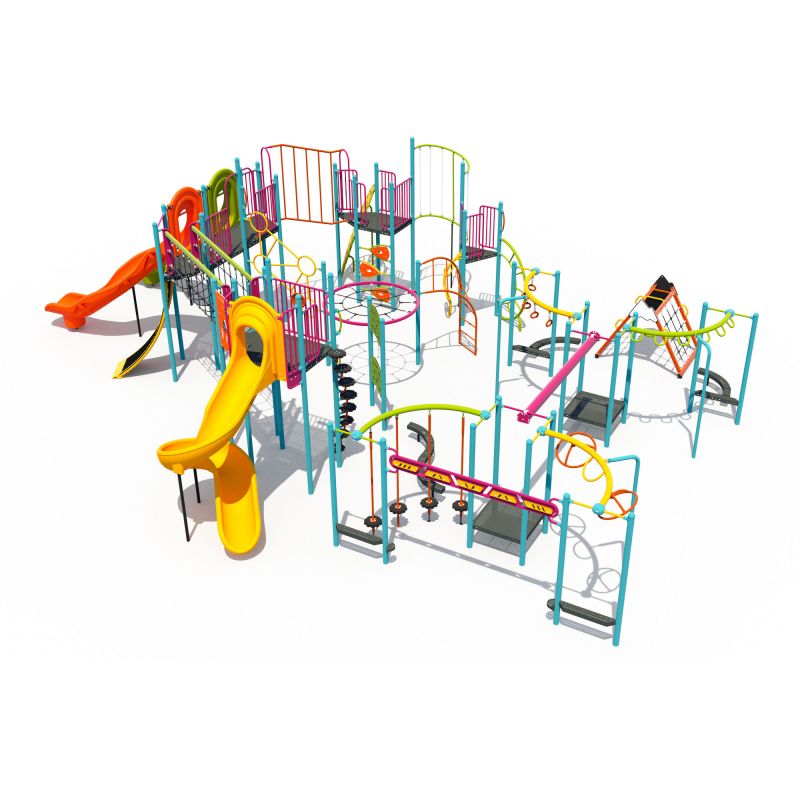
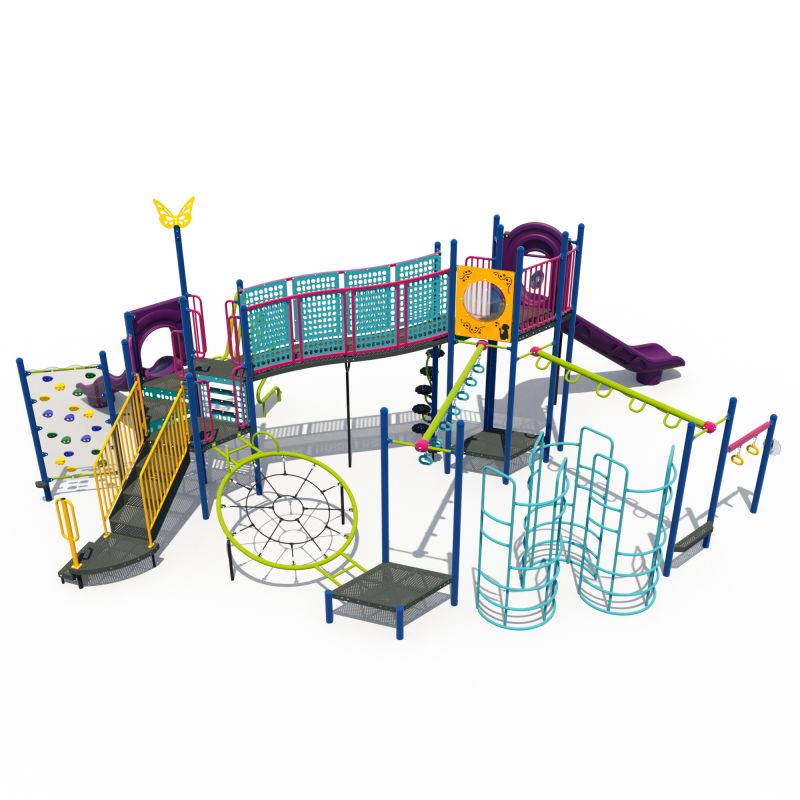
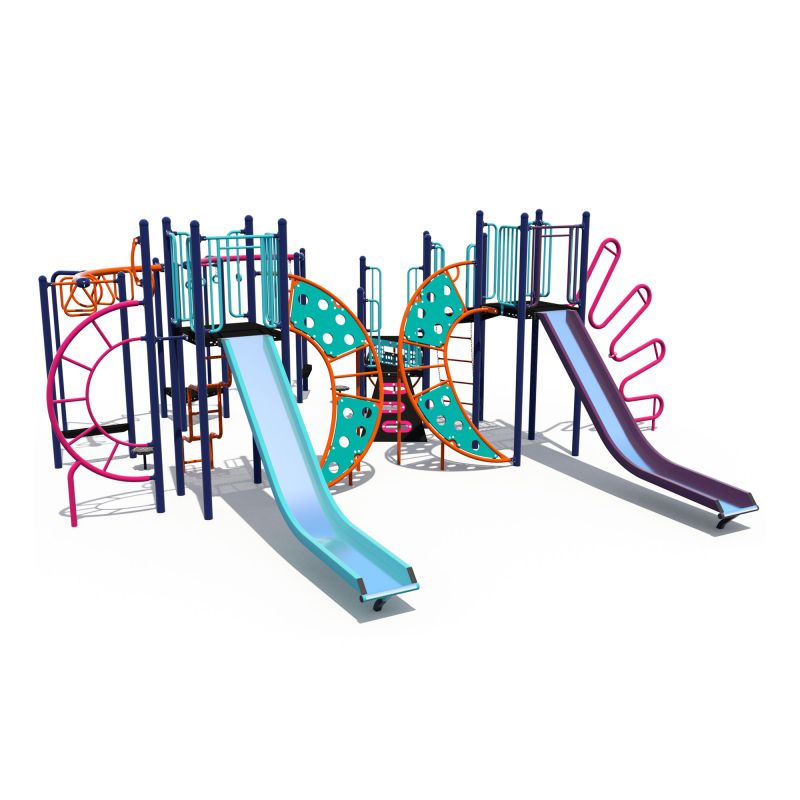
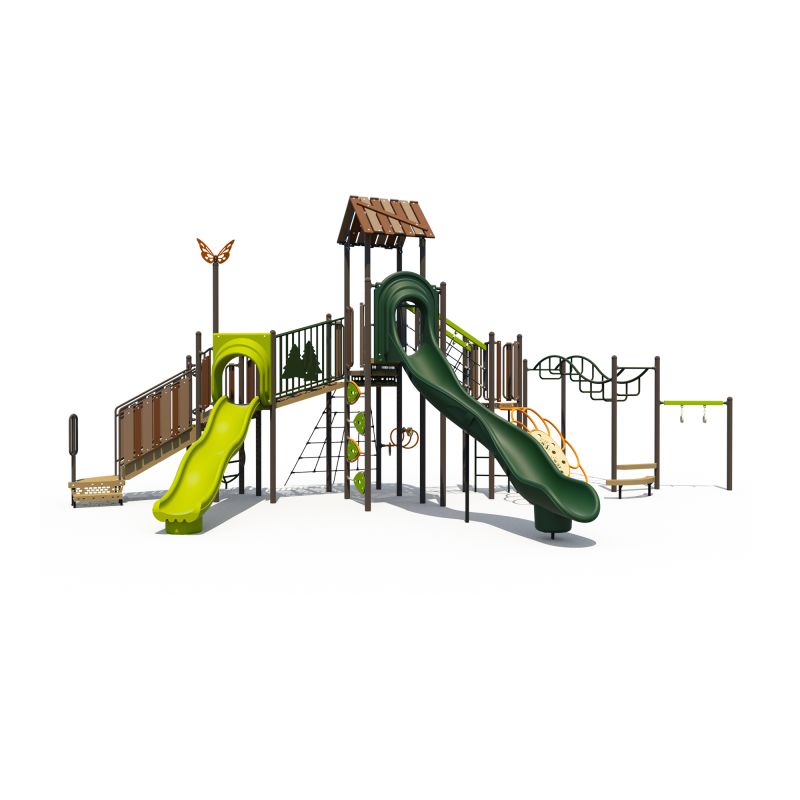
Pre-configured designs like Blue Imp’s Sea to Sky or Octane are intelligently designed to offer a natural flow of play. They integrate elements like:
- Climbers with different levels of difficulty to build strength and coordination.
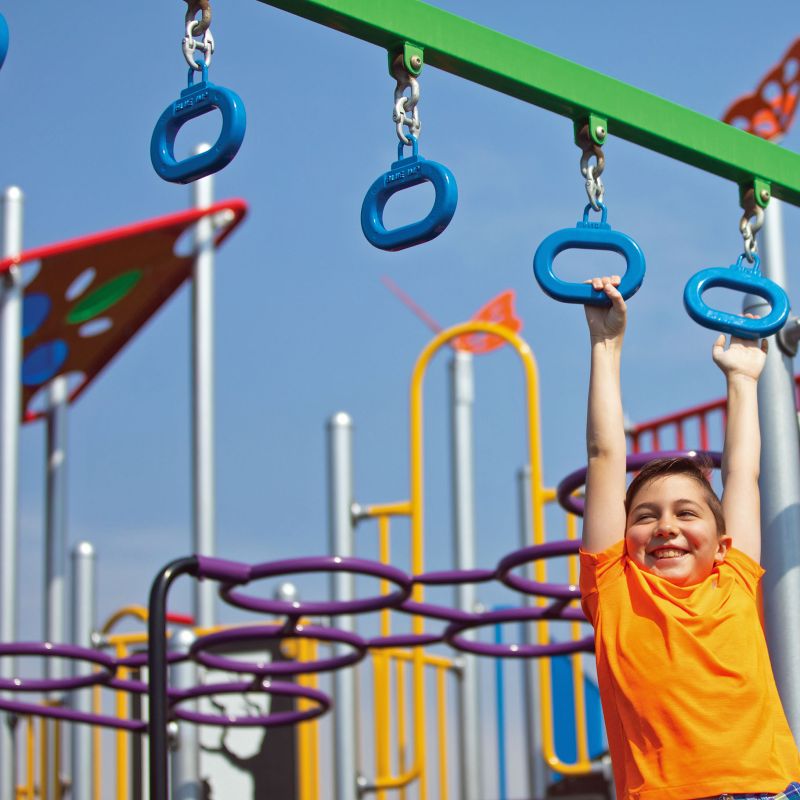
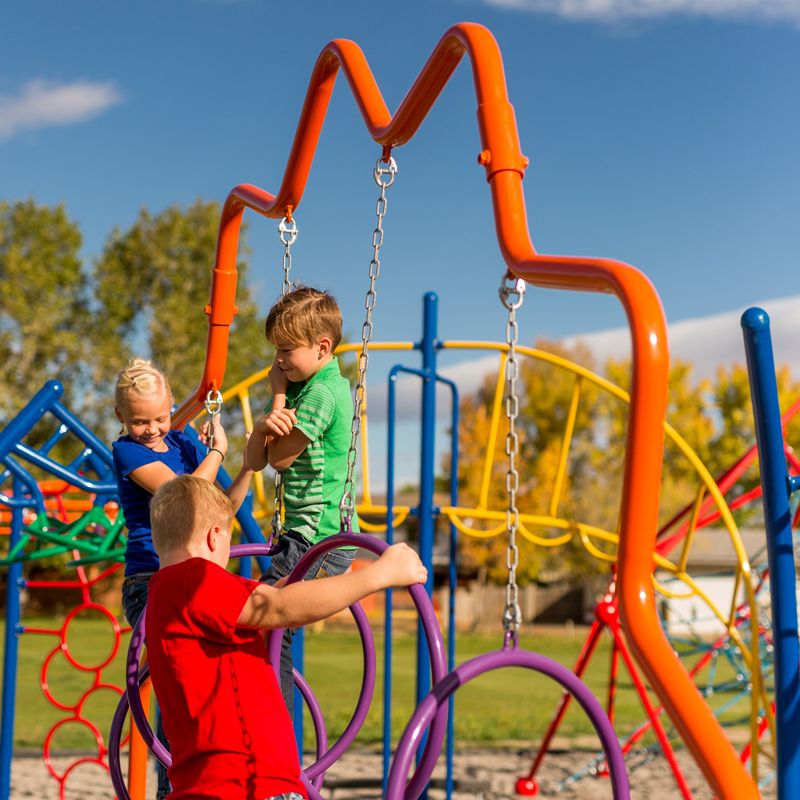
- Overheads with fixed and unfixed handholds and diverse levels of difficulty to promote upper body strength, grip strength, agility and motor planning.
- Slides for thrilling motion, vestibular development and core strength.
- Bridges and decks that spark imaginative journeys and group games.
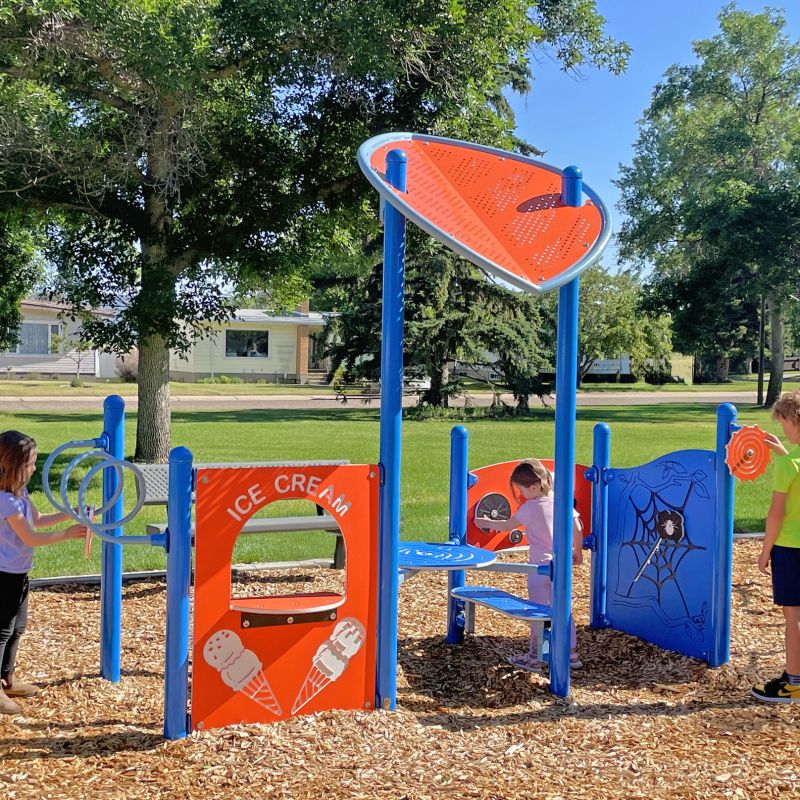
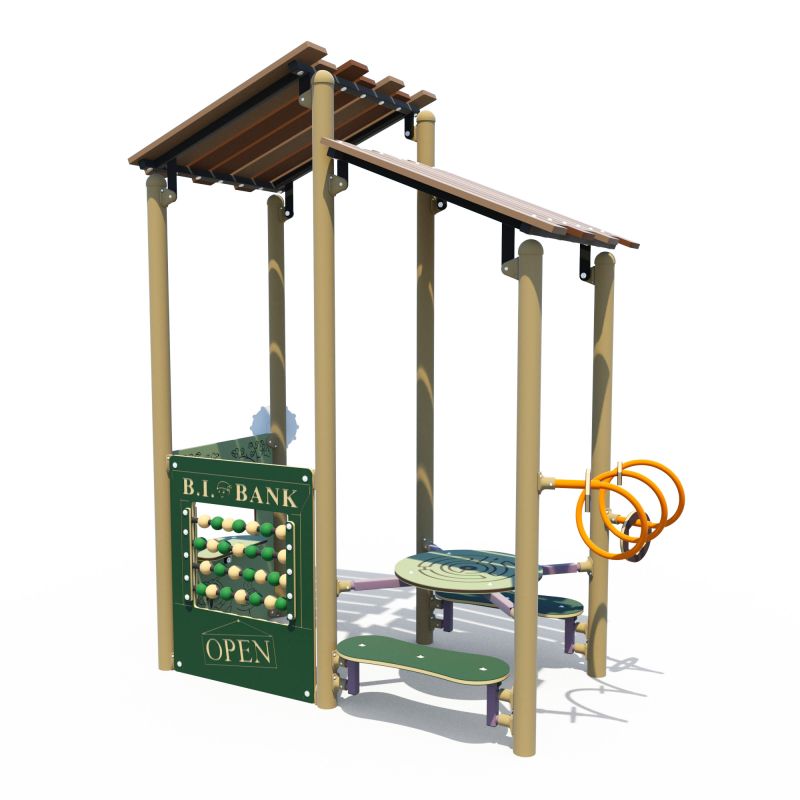
- Activity panels to engage kids at ground level.
These structures pack a lot of play value into a defined footprint, making them a practical and exciting centrepiece for any schoolyard.
Freestanding Equipment: Creating Dynamic Play Zones
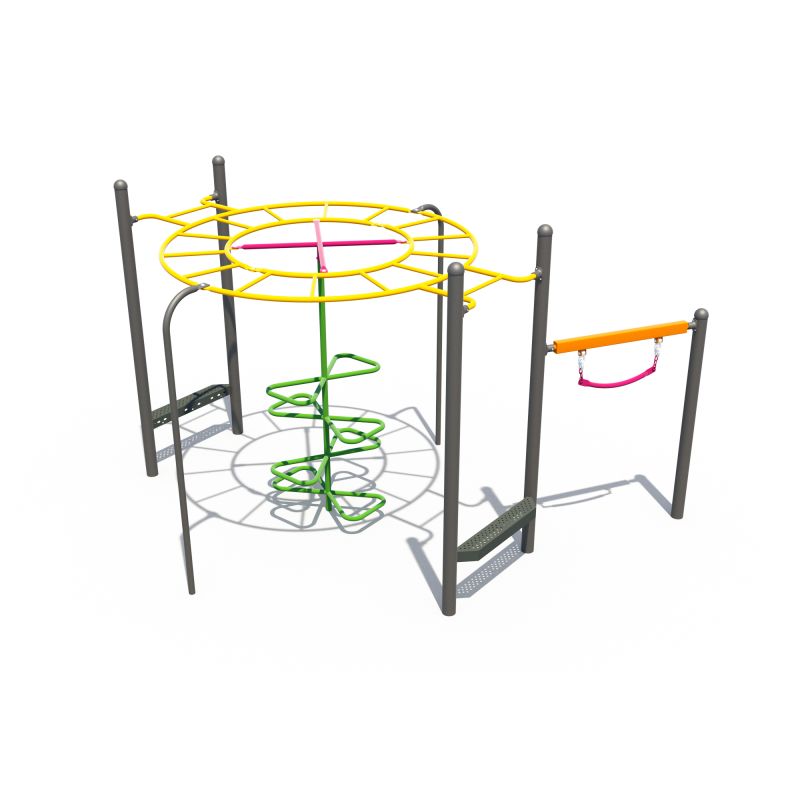
While a central structure provides the main event, freestanding equipment adds crucial variety. These independent pieces help you create distinct “play zones” across the playground. They can complement a main structure or stand on their own to serve specific developmental needs, preventing overcrowding and giving students more choices.
Freestanding pieces add layers of motion, challenge, and sensory input that appeal to a wider range of children and play styles.
Some of the most popular freestanding options for schools include:
- Swings: A classic that’s great for developing balance and spatial awareness.
- Spinners: Motion pieces like the Ocean Wave provide vestibular stimulation, which is crucial for developing a strong sense of balance.
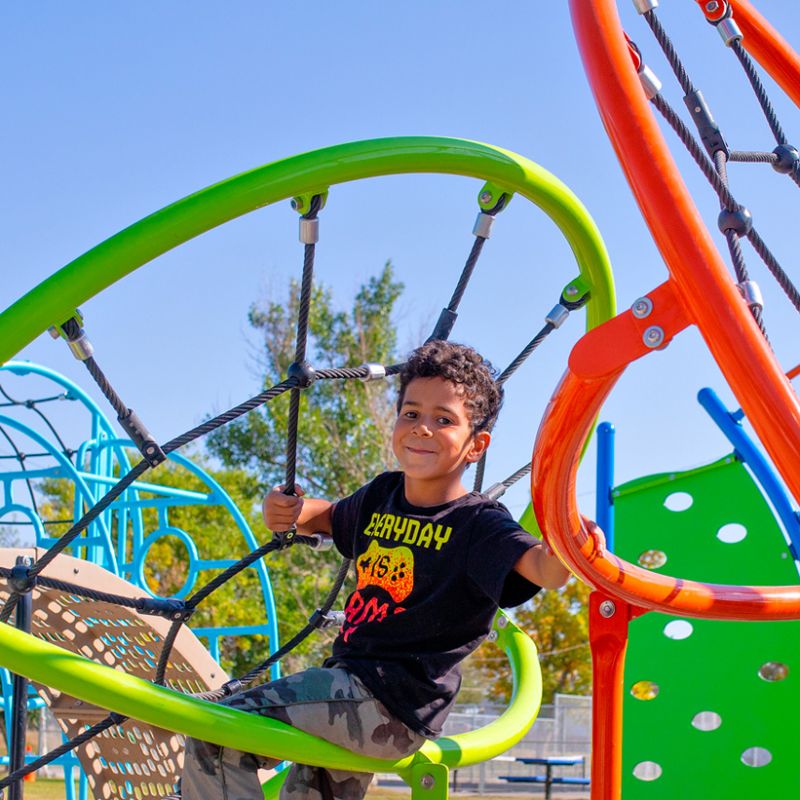
- Climbers: From simple nets to complex geometric domes, these pieces build upper-body strength, problem-solving skills, and confidence.
- Motion Pieces: Bouncers and rockers offer a rhythmic movement that can be both stimulating and calming.
Inclusive Elements: Ensuring Everyone Belongs
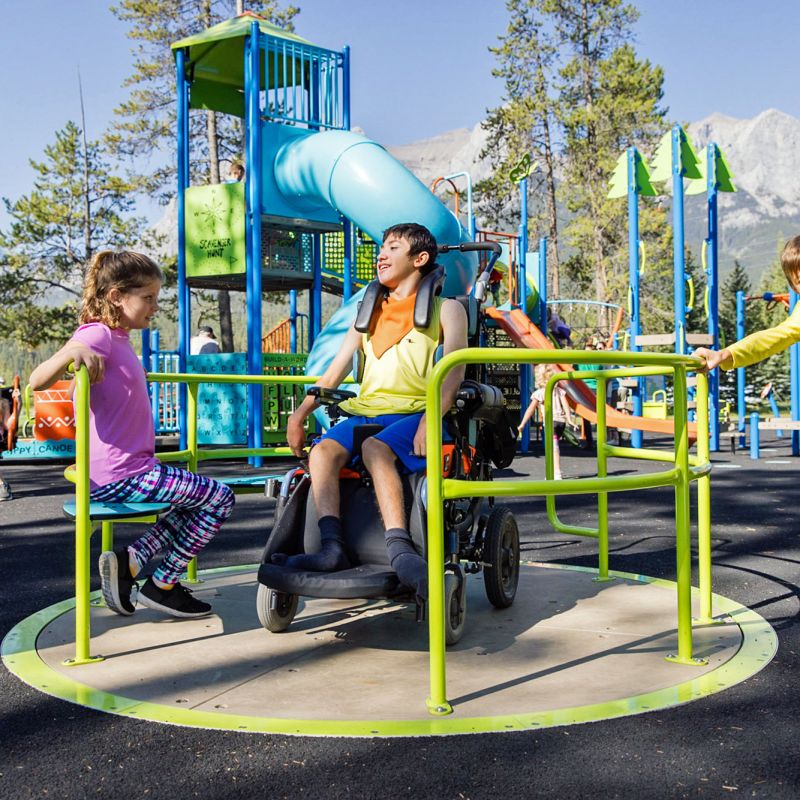
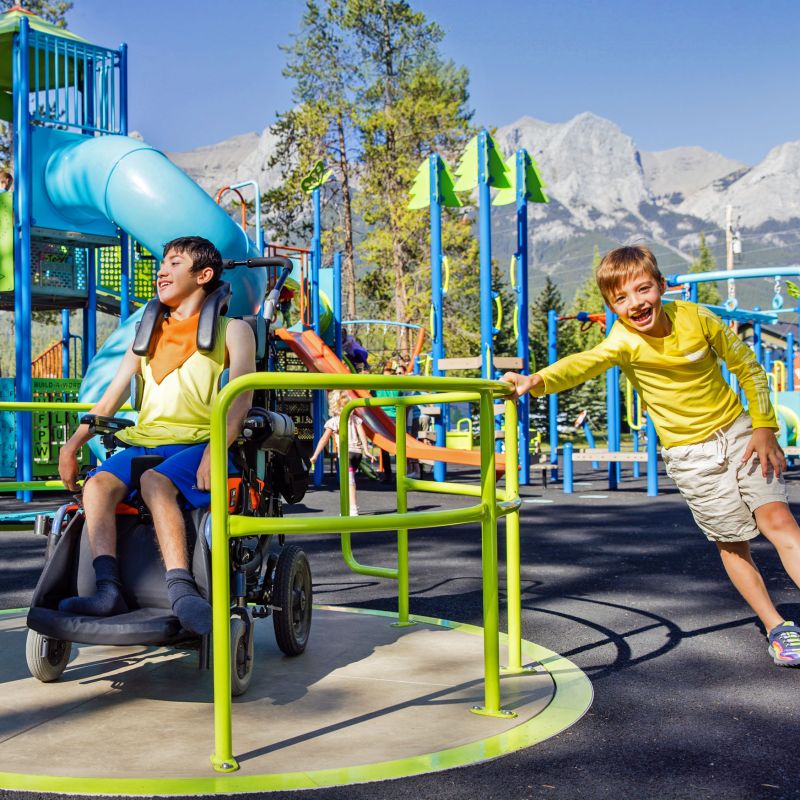
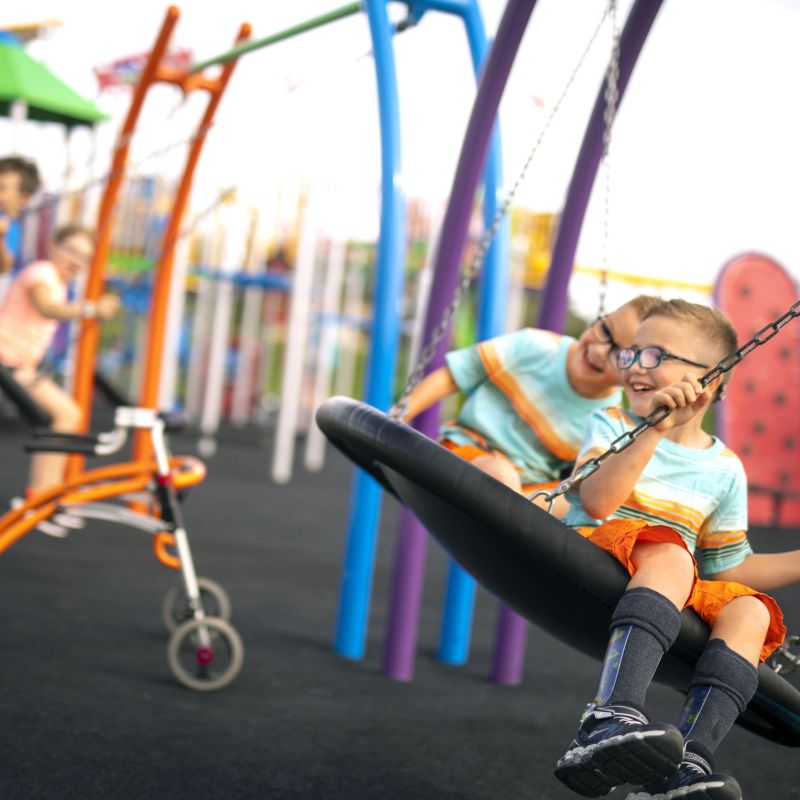
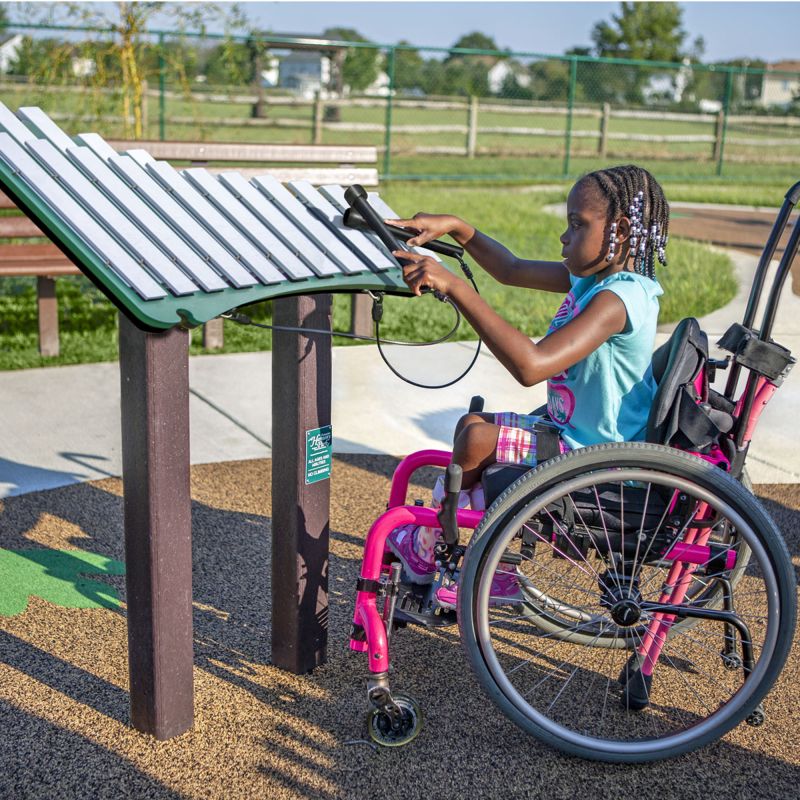
A modern school playground must be a place where every student feels welcome and empowered to play. This is achieved by intentionally including equipment designed for a wide range of abilities. True inclusion goes beyond accessibility; it’s about providing meaningful play opportunities for all.
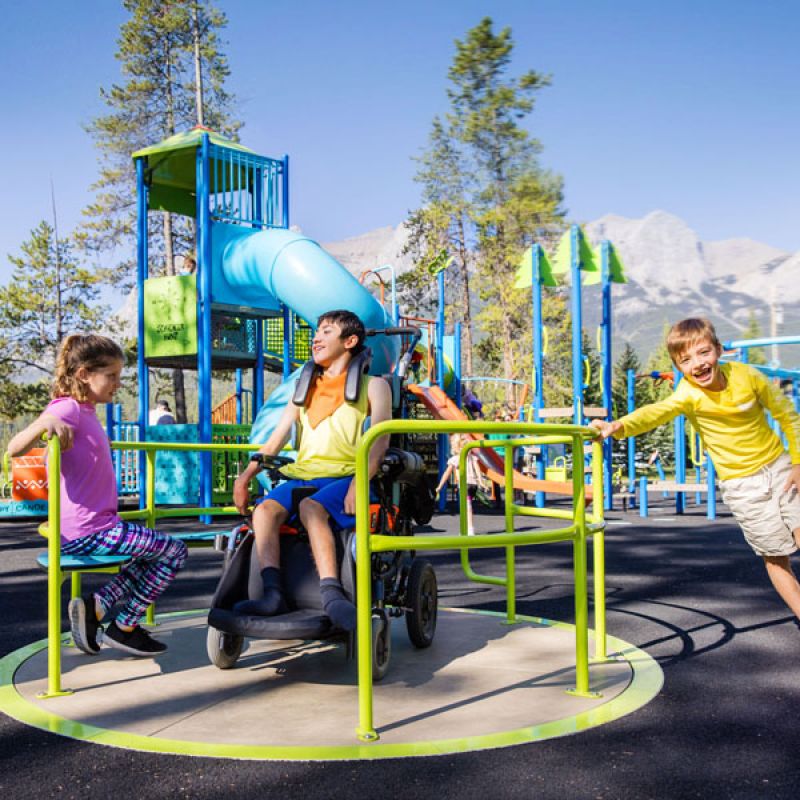
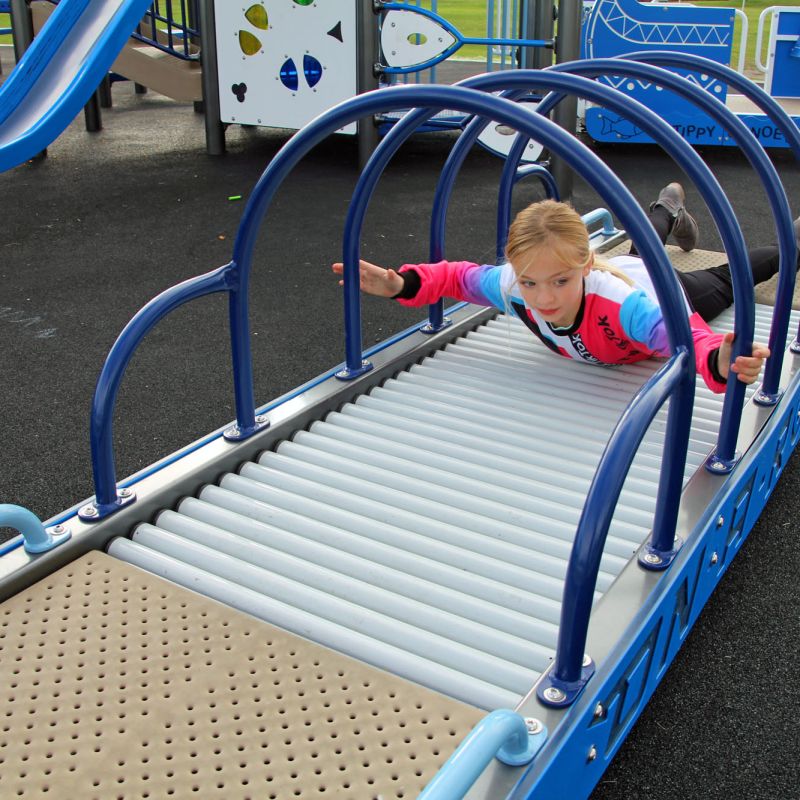
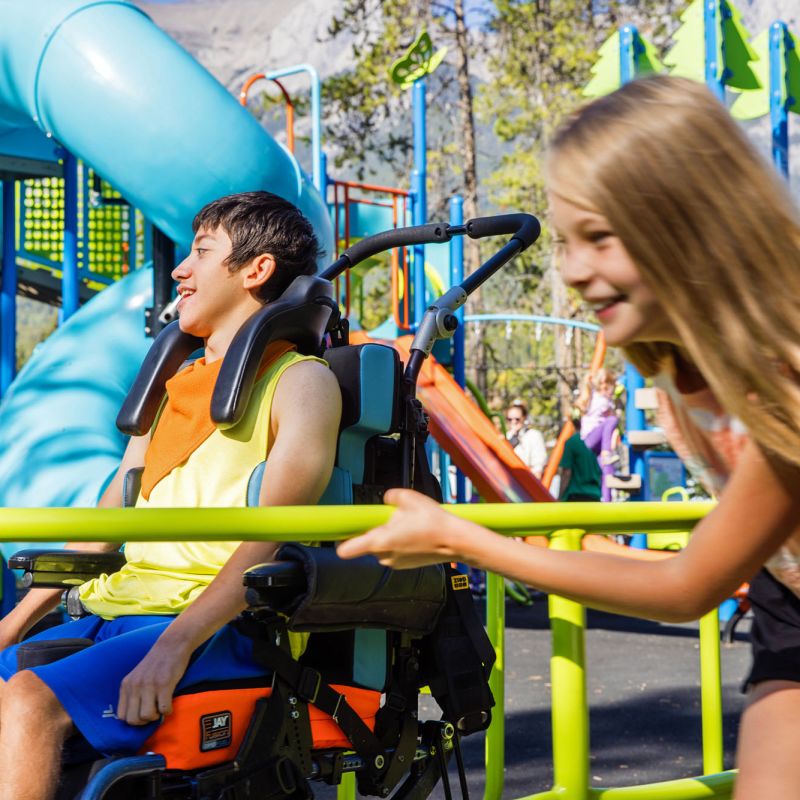
This means bringing in elements that support physical, sensory, and social inclusion. Think ground-level sensory panels with interesting textures or sounds that engage children who might not want to climb. Or consider wide ramps and wheelchair-accessible components on larger structures, so students using mobility devices can be in the middle of the action with their friends.
Products like the We Rock E-Z allow children who need more support to experience the joy of swinging. By thoughtfully weaving these pieces into your design, you send a powerful message: every child is a valued member of the school community.
Obstacle Courses for Older Students
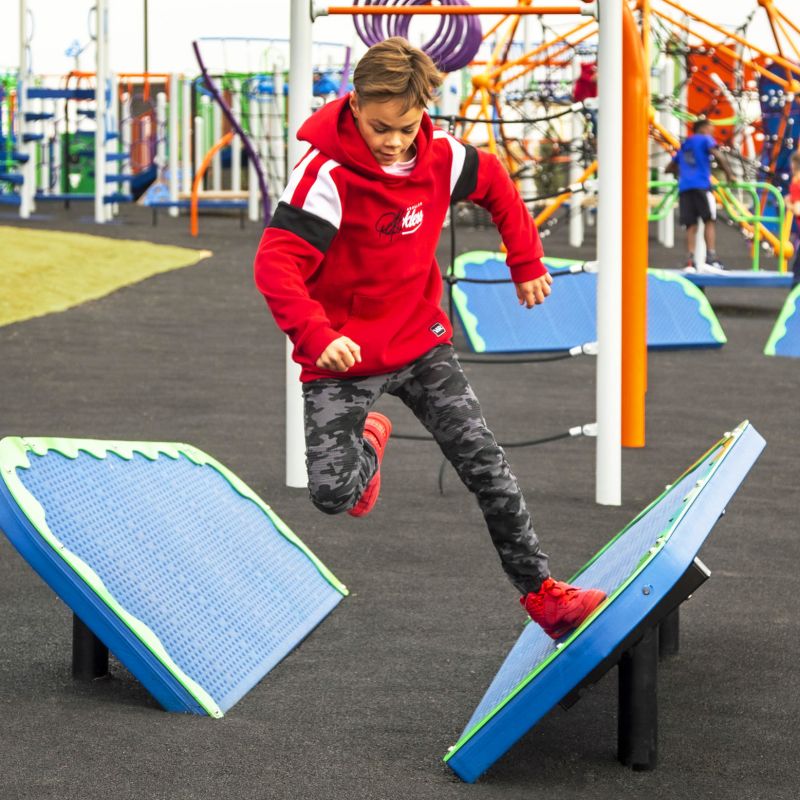
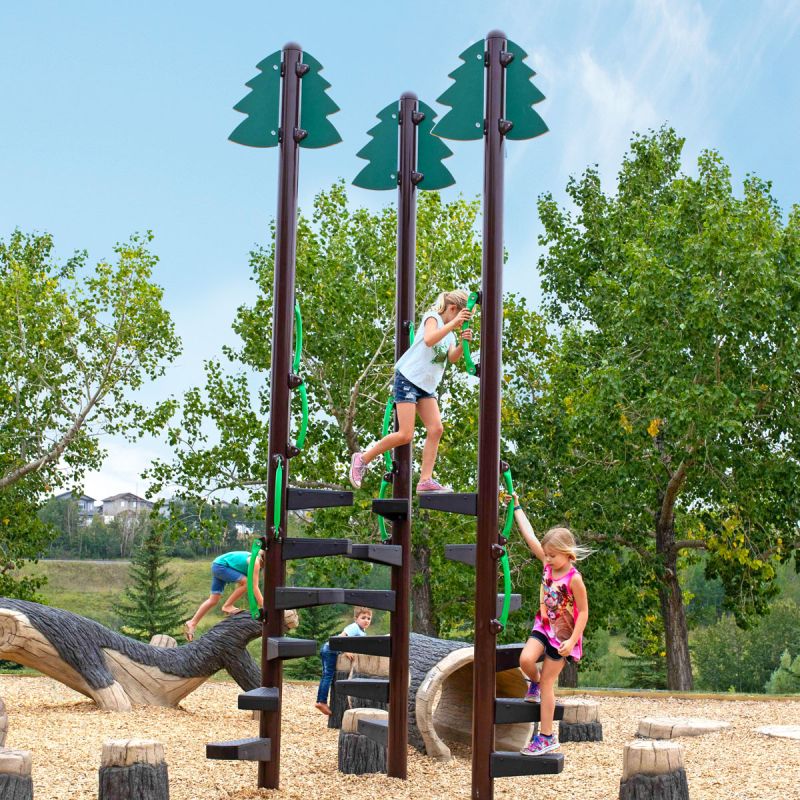
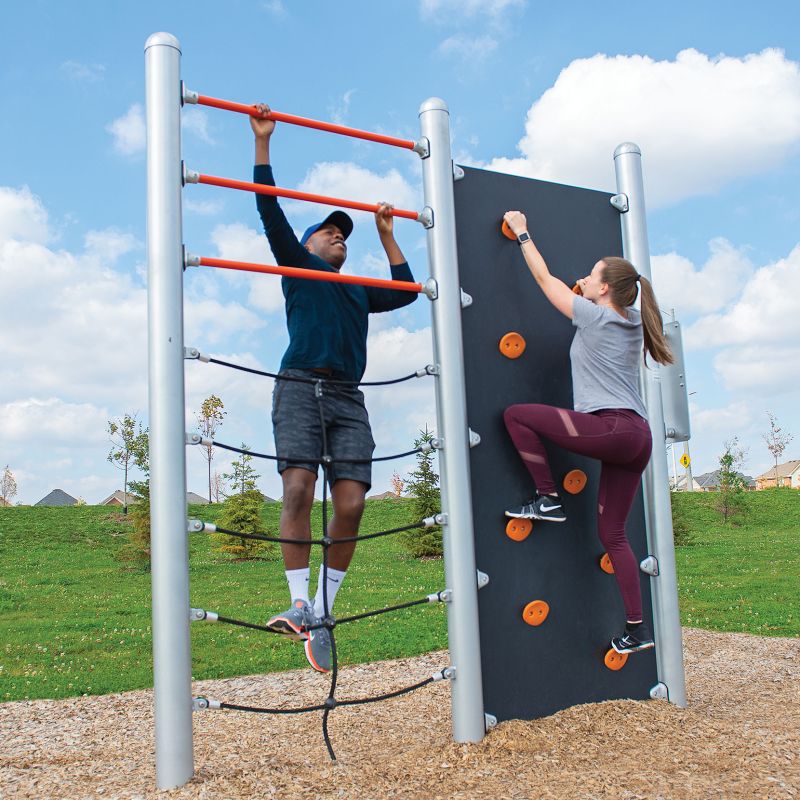
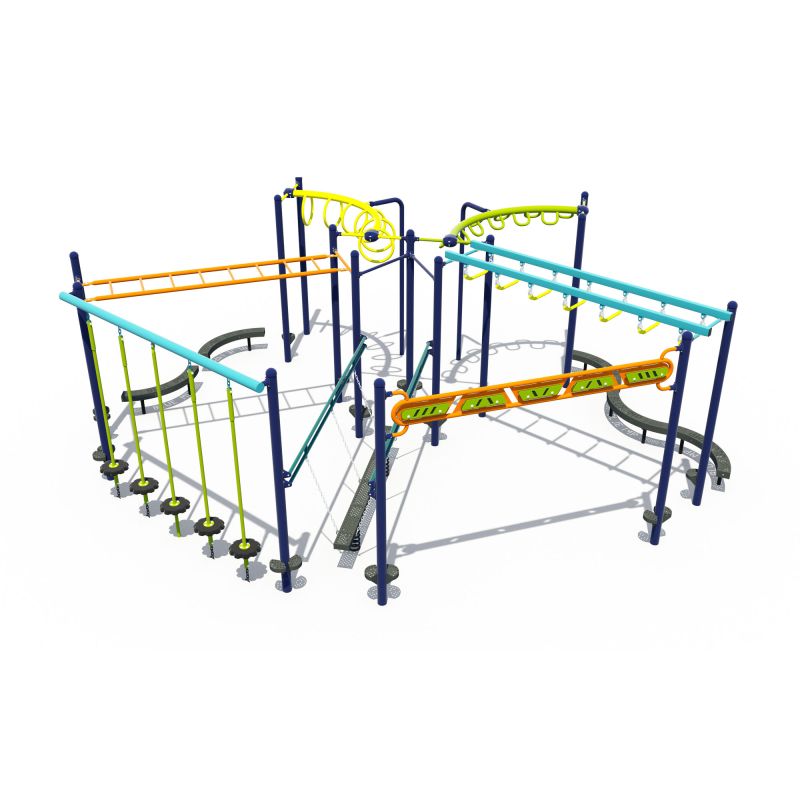
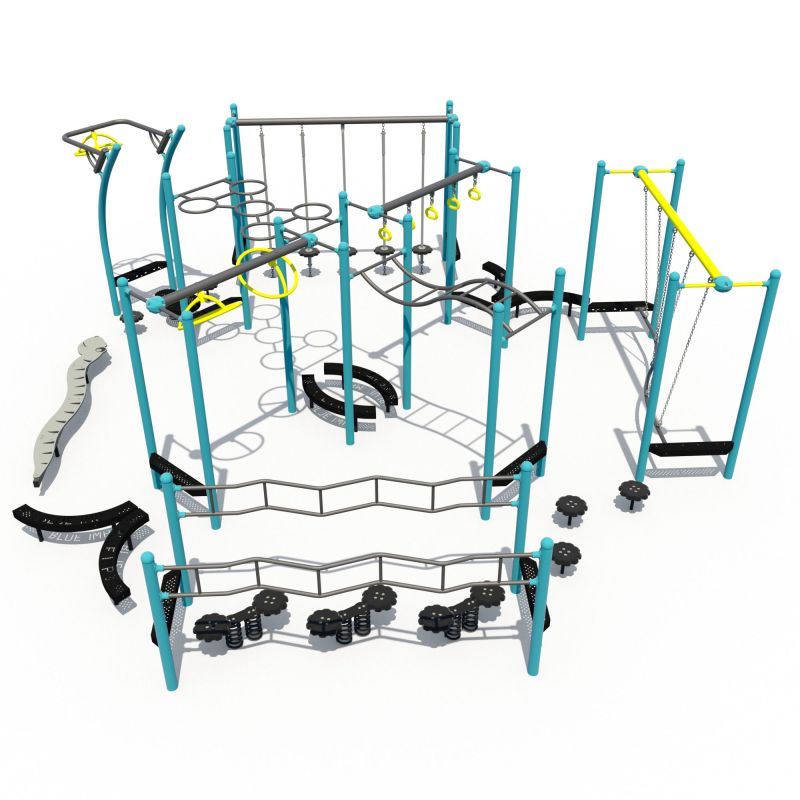
As students get older, their play needs evolve. Kids in upper elementary and middle school look for bigger physical challenges and friendly competition. This is where obstacle and parkour-style courses, such as Quest, shine.
These circuits are made up of agility-focused components that promote fitness, coordination, and strategic thinking. They encourage students to navigate a series of challenges, building resilience and confidence with every attempt. It’s a positive outlet for their energy and a great way to keep older students physically engaged during recess.
Fostering Social and Cooperative Play
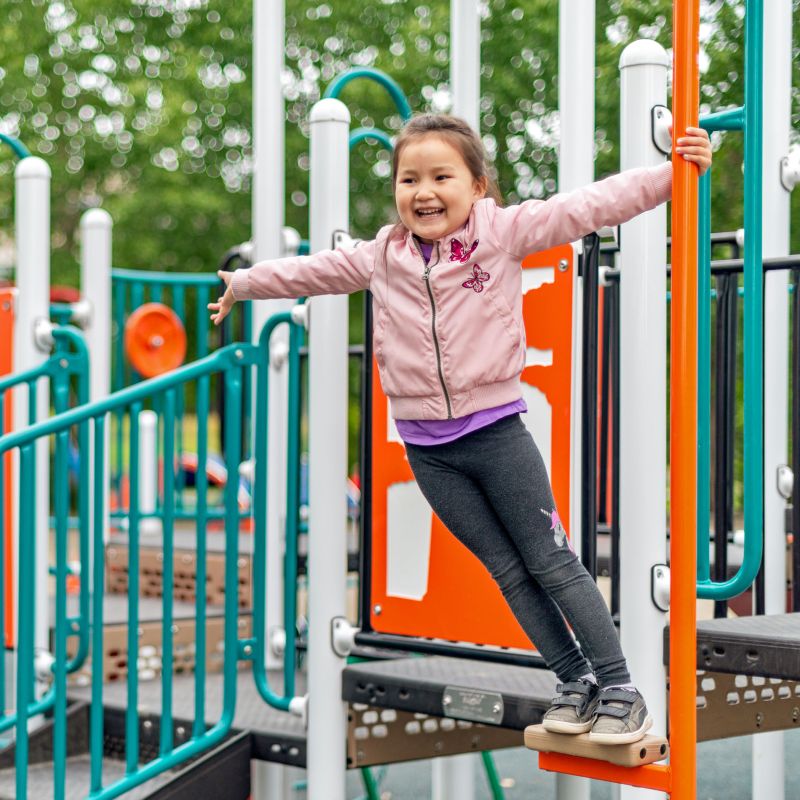
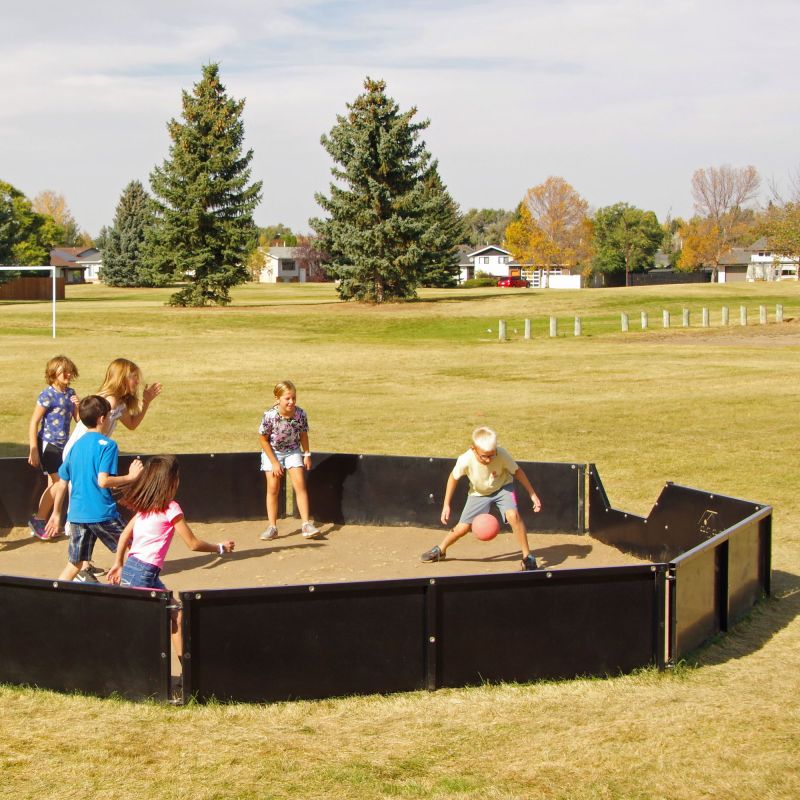
Play is social. An inclusive playground is designed to bring children together, creating chances for all kinds of interaction. It could be kids playing alongside each other or working together on a cooperative game. This is where friendships form and communication skills are practiced.
Look for equipment that encourages connection, like multi-user swings where kids can face each other. Cooperative spinners that need teamwork to get going are great for teaching cause-and-effect in a social way. It’s also about providing seating and quiet nooks, giving students spaces to connect, observe, or chat away from the main activity.
By offering a variety of social settings, the playground helps every child build confidence in how they connect with others. To take a closer look at these concepts, feel free to explore our detailed inclusive play guide.
Planning Your Playground Project and Budget
Turning an idea into a vibrant school playground begins with a solid plan and a realistic budget. For school boards and parent councils, a great plan goes beyond the price of the playground equipment for schools; it creates a complete financial picture of the entire project.
This means thinking about every piece of the puzzle. Your total investment will cover not just the equipment, but also site preparation, shipping, professional installation, and critically, the safety surfacing that cushions every fall. A thoughtful plan anticipates each step, so there are no costly surprises.
Thinking in Terms of Lifecycle Value
When building your budget, it’s wise to think about the playground’s lifecycle value instead of just the upfront cost. This is about looking at the total cost of ownership over many years. Investing a bit more in high-quality, durable equipment at the start can save money later.
Choosing Canadian-made equipment manufactured with galvanized steel and tough coatings means it’s designed to stand up to our four-season climate. That durability translates directly into lower maintenance and repair costs over time, making it a smarter investment for the school’s capital budget. On top of that, strong warranties from the manufacturer protect your investment for years to come.
A detailed project plan does more than just guide your budget; it becomes a powerful storytelling tool. It helps parent councils articulate a clear, compelling vision that can inspire community support, secure grants, and drive successful fundraising campaigns.
The Role of Design in Fundraising
For parent councils leading the charge, a professional design concept can be your most powerful fundraising tool. When you can show potential donors and grant committees a clear, exciting plan complete with detailed drawings and vibrant renderings, you turn an abstract idea into a tangible goal. It proves you’ve done your homework and are serious about bringing a compliant, high-quality play space to life.
Mapping Out the Physical Space
Smart spatial planning is another cornerstone of a successful project. Public school playgrounds are often divided into distinct zones for different age groups, like kindergarten and the primary grades. This strategy helps maximize active playtime by preventing bottlenecks and ensuring every class gets their turn without long waits.
A well-structured plan helps you map out these zones, weaving together hard-surfaced areas, grassy fields, and the equipment into a seamless layout. This foresight ensures the final playground isn’t just fun, but also functional for the daily rhythms of school life.
To get started on your own project, check out our guide on planning your playground in a step-by-step overview. By mapping out a clear path from your initial vision to opening day, you set the stage for a project that will benefit your school community for a generation.
Bringing It All Together: Installation and Long-Term Care
Choosing your playground equipment is a huge milestone, but the journey doesn’t end there. The final steps are professional installation and a solid maintenance plan. These two pillars support your investment, keeping the play space safe and vibrant for years to come.
Getting the installation right is non-negotiable. A certified professional installer does more than assemble parts; they ensure every piece is set up exactly as the manufacturer intended, in full compliance with CAN/CSA Z614 standards. This is the moment where planning and safety features—from proper use zones to structural integrity—are made real.
Why Professional Installation is a Must
Hiring a professional installation team is the single best way to protect your investment and activate your equipment’s warranty. These specialists are experts in the demands of commercial-grade playground equipment for schools. They know all about proper site preparation, footing specifications, and applying the right amount of torque to every bolt.
Proper installation is the bridge between a great design on paper and a genuinely safe place for children to play. It’s how the safety engineered into the equipment is correctly translated to your school grounds.
Trying to cut corners with installation can compromise the equipment’s structure. It could also void the manufacturer’s warranty and leave the school exposed to unnecessary liability.
Creating a Simple, Effective Maintenance Plan
Once everything is installed, a consistent maintenance plan is key to a long-lasting playground. This doesn’t need to be complicated. A proactive approach is all it takes, and it creates a clear record of care for insurance and liability purposes.
A good maintenance schedule has three core habits:
- Routine Visual Inspections: These are quick, daily or weekly walk-throughs. You’re looking for obvious issues, any broken parts, signs of vandalism, or hazards like glass or branches in the play zones.
- Operational Inspections: A more hands-on check, perhaps once a month or every quarter. This is where staff test moving parts, like swing hangers and spinners, to make sure they’re moving smoothly and securely.
- Annual Comprehensive Audits: Once a year, you’ll want a detailed inspection, often done by a certified professional, to assess wear and tear, check structural integrity, and confirm everything is still compliant.
The good news? Choosing equipment built for Canadian weather makes this easier. At Blue Imp, we use tough materials like galvanized steel and durable coatings that are designed to stand up to harsh freeze-thaw cycles. This Canadian-made durability means less work for your maintenance team and a longer life for your playground equipment for schools.
When you pair quality manufacturing with diligent care, you’re setting your playground up for a long, reliable future.
Your Top School Playground Questions, Answered
Bringing a new school playground to life is an exciting journey, but it’s natural to have questions. Whether you’re a school administrator, a member of the parent council, or a community leader, here are clear answers to the questions we hear most often.
How Much Does a New School Playground Cost?
There’s no single price tag for a playground, as the final cost depends on the scale of your vision, the equipment you choose, and your site conditions. It’s a common mistake to only budget for the play structures. Remember to factor in freight, professional installation, and the important safety surfacing.
A simple, smaller setup, including equipment, shipping, installation, safety surfacing, site preparation and finishing, might start around $50,000, while a large, custom-designed play space could be over $200,000. The only way to get a true picture is to get a quote tailored specifically to your site and goals. The good news is that when you work with Blue Imp, consultation and design services are included which means no surprises.
What’s the Lifespan of Commercial Playground Equipment in Canada?
When you invest in quality, you’re investing in decades of play. High-grade commercial playground equipment is built to last. At Blue Imp, we know what a Canadian winter can do, which is why we use tough materials like triple-coated in-line galvanized steel and heavy-duty polyester powder coatings. Our equipment is made for four-season performance, year after year. Our industry-leading warranties reflect our confidence in the equipment’s long-term value.
How Can Our School Fund a New Playground?
You don’t have to find the money in one place. Most successful playground projects are funded by weaving together a few different sources.
Common funding sources include:
- Capital funds from the school board.
- Fundraising events run by your Parent Advisory Council (PAC).
- Donations from local businesses and community groups.
- Grants from corporations, non-profits, or government programs.
Ready to create a playground that will inspire your students for years to come?
Talk to your regional Blue Imp representative to start designing a space that fits your
