
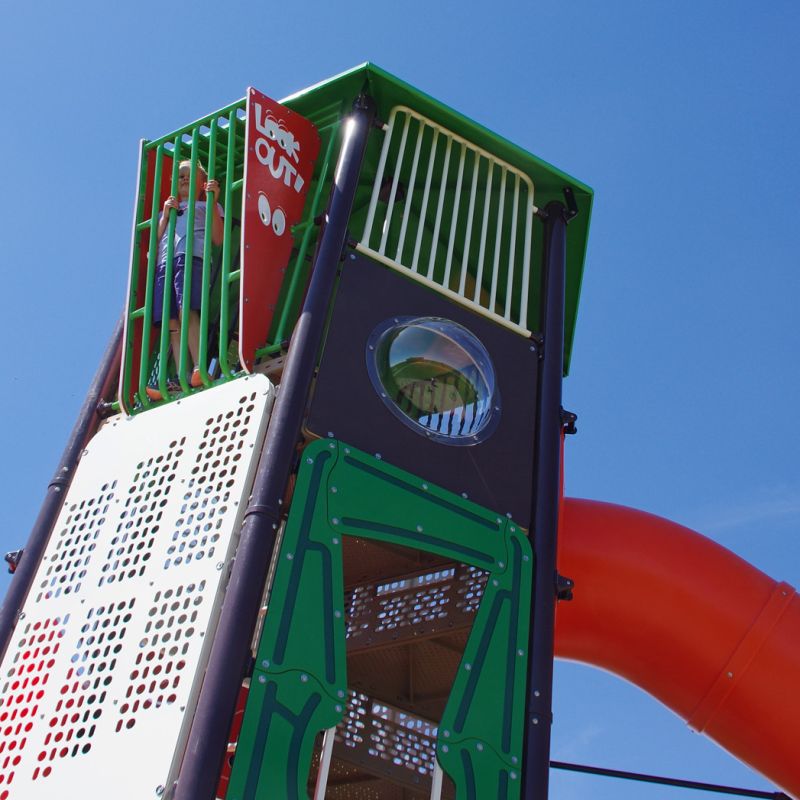
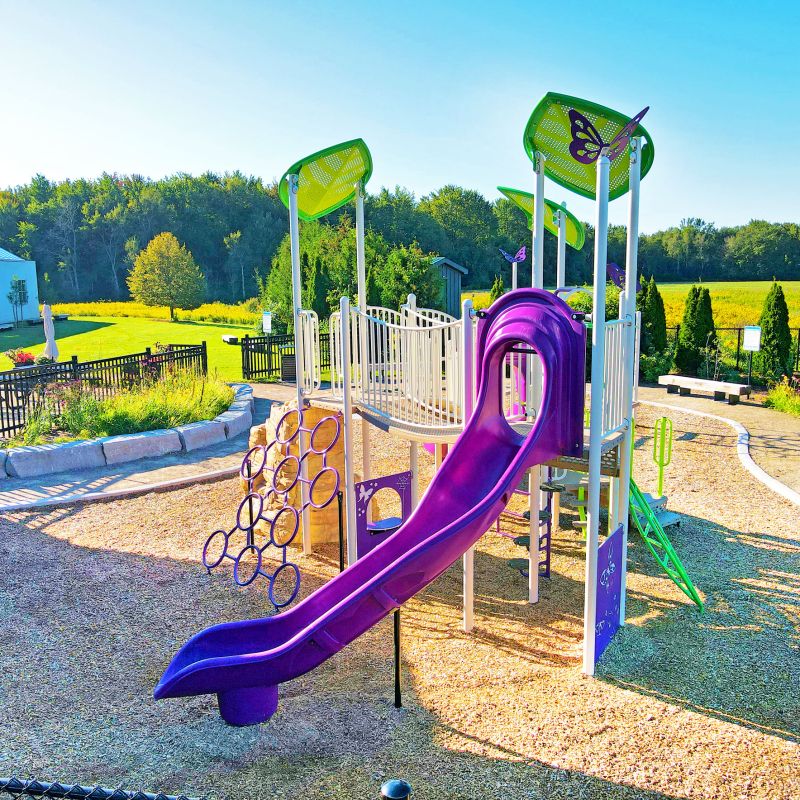
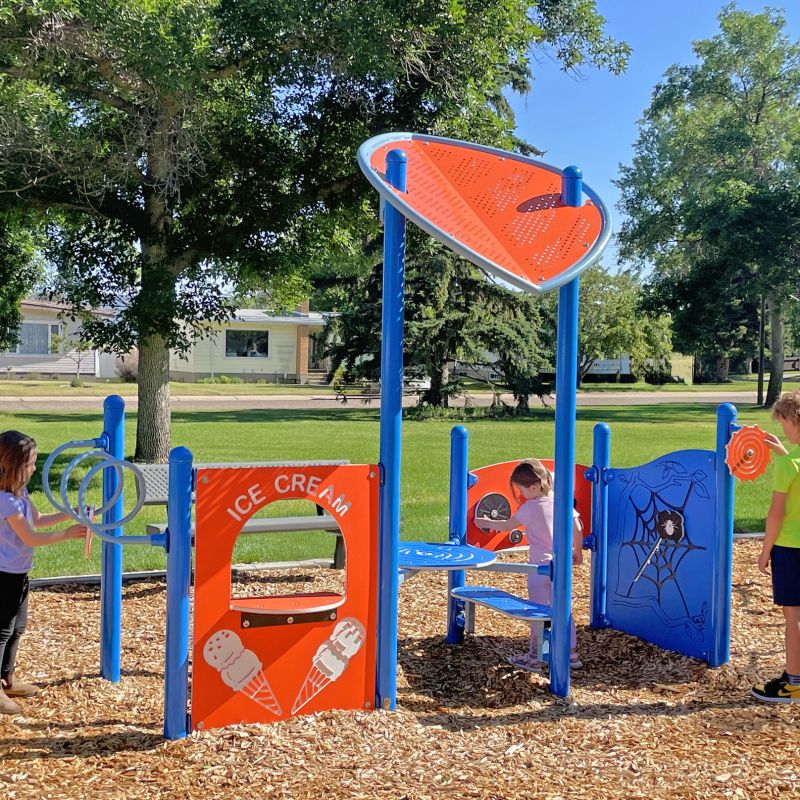
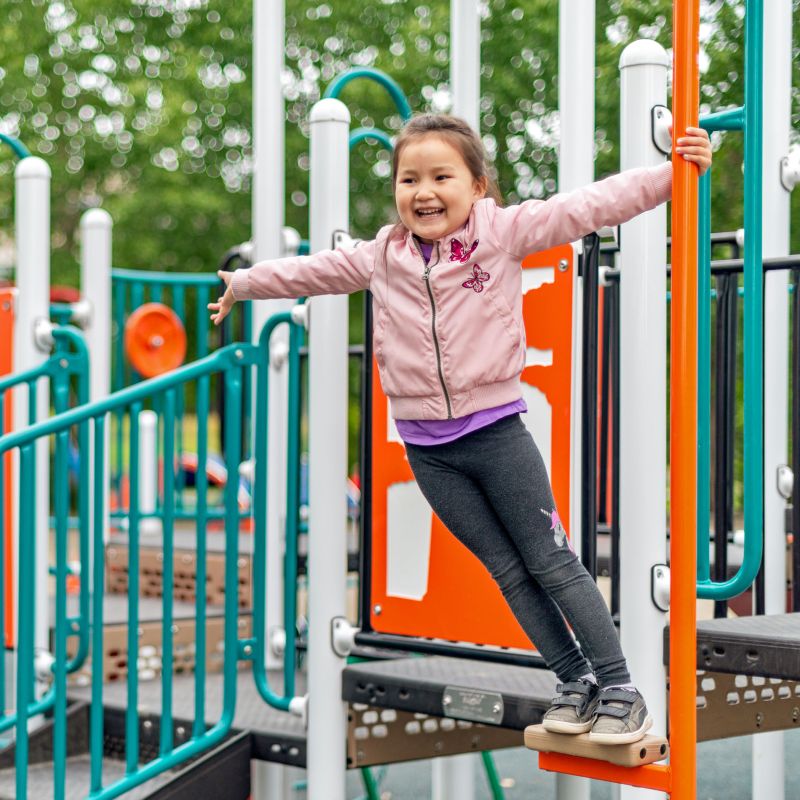
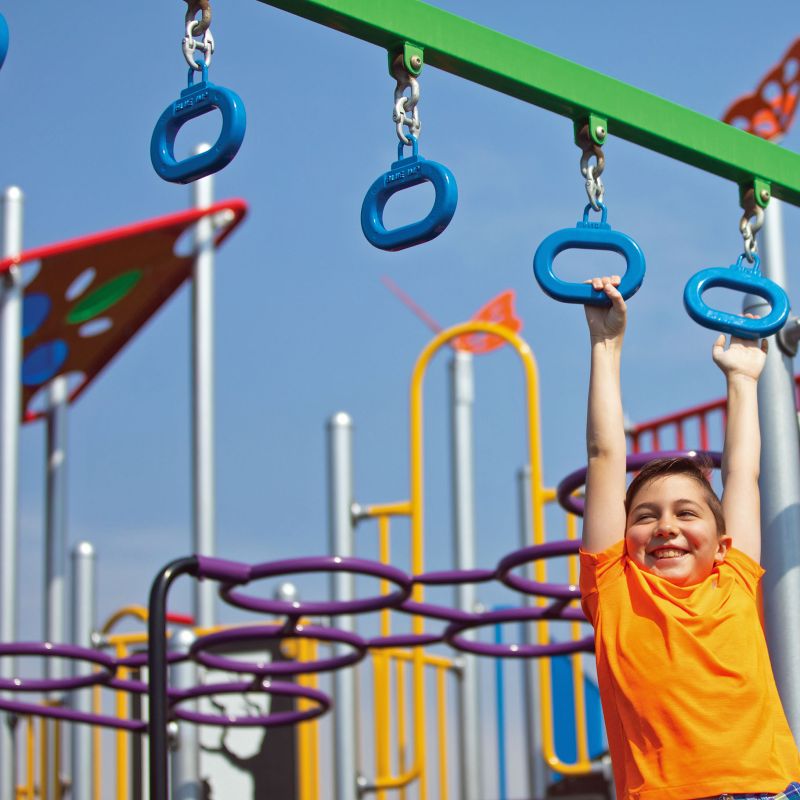
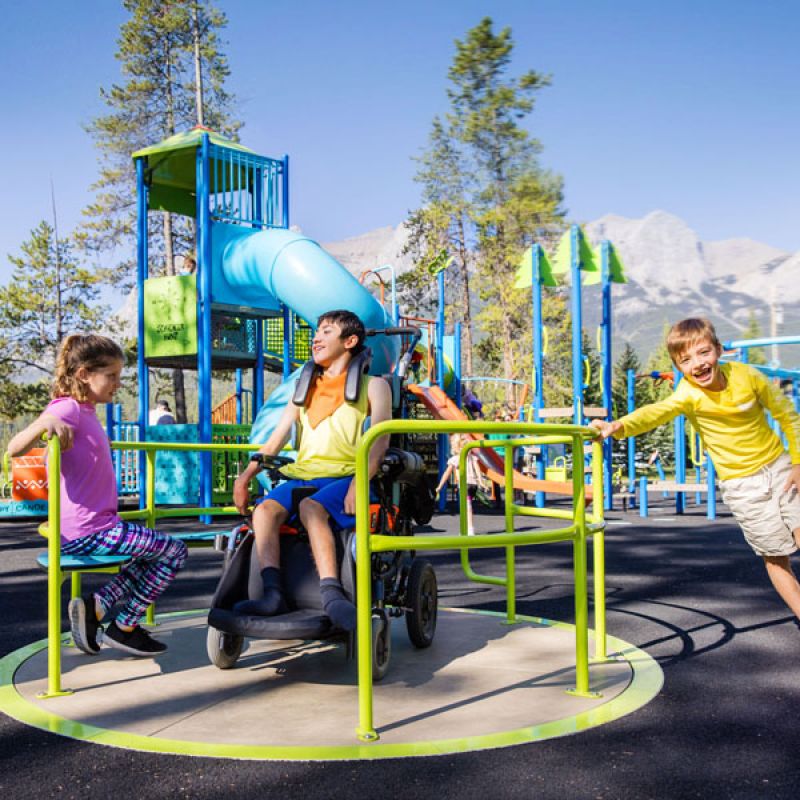
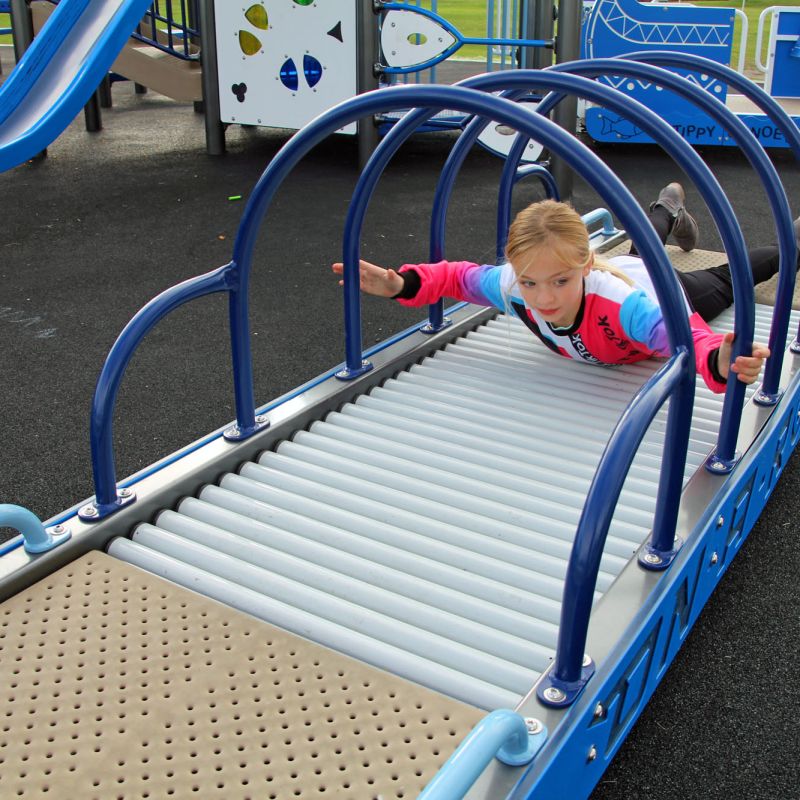
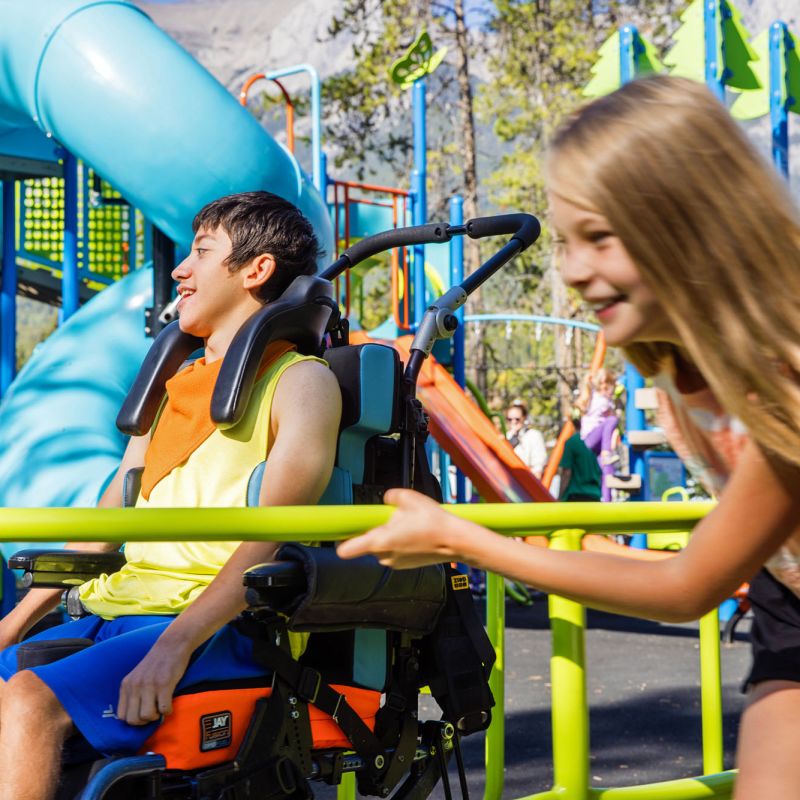
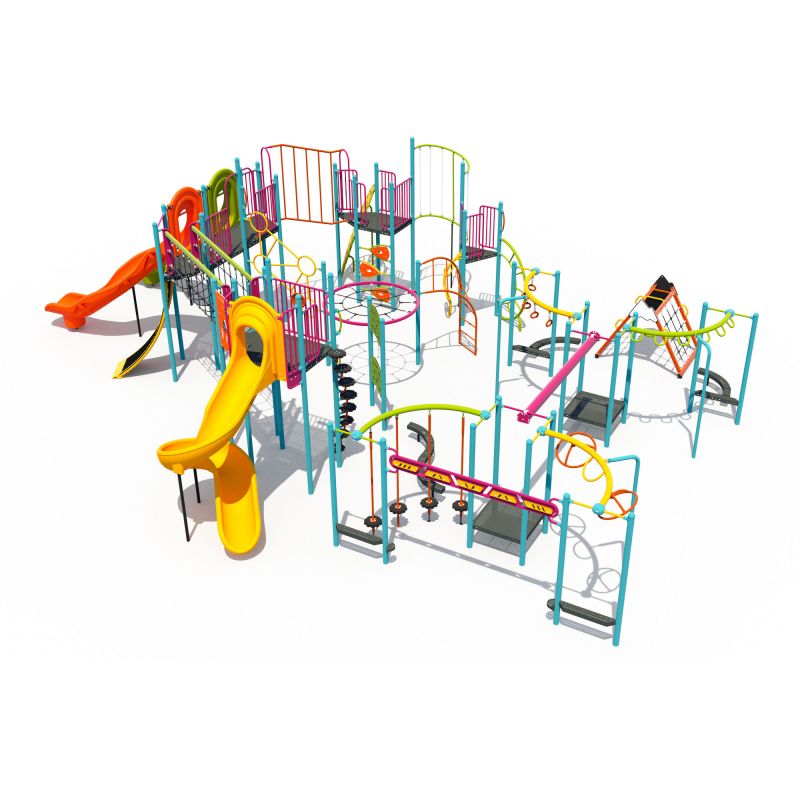
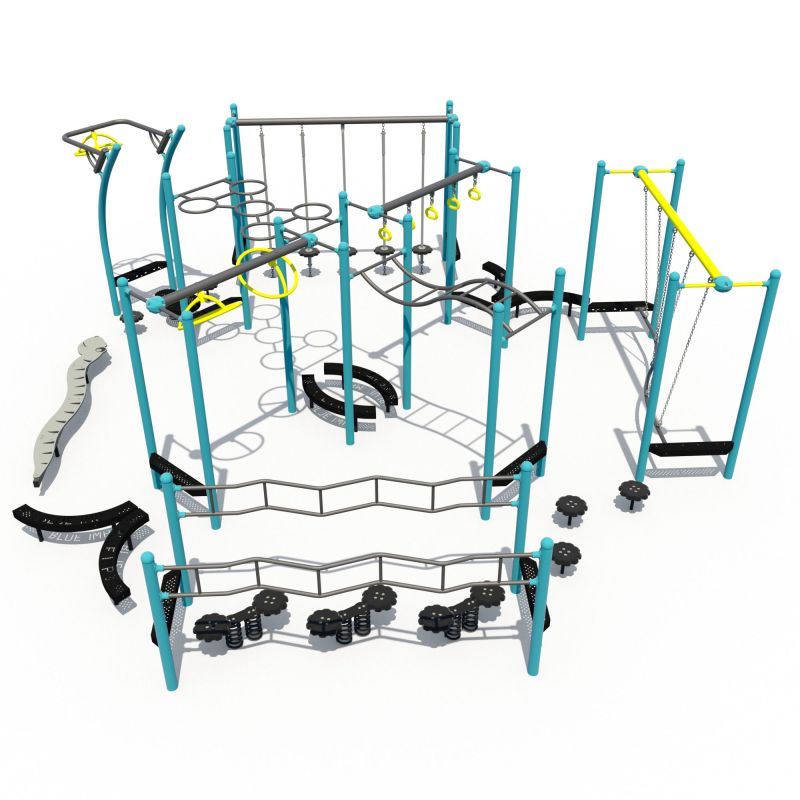
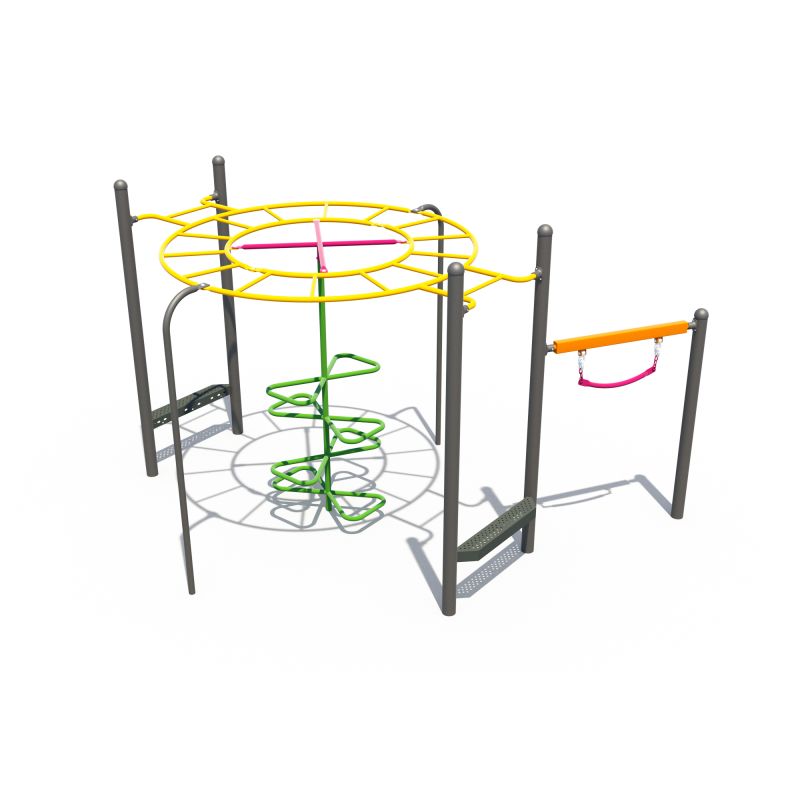
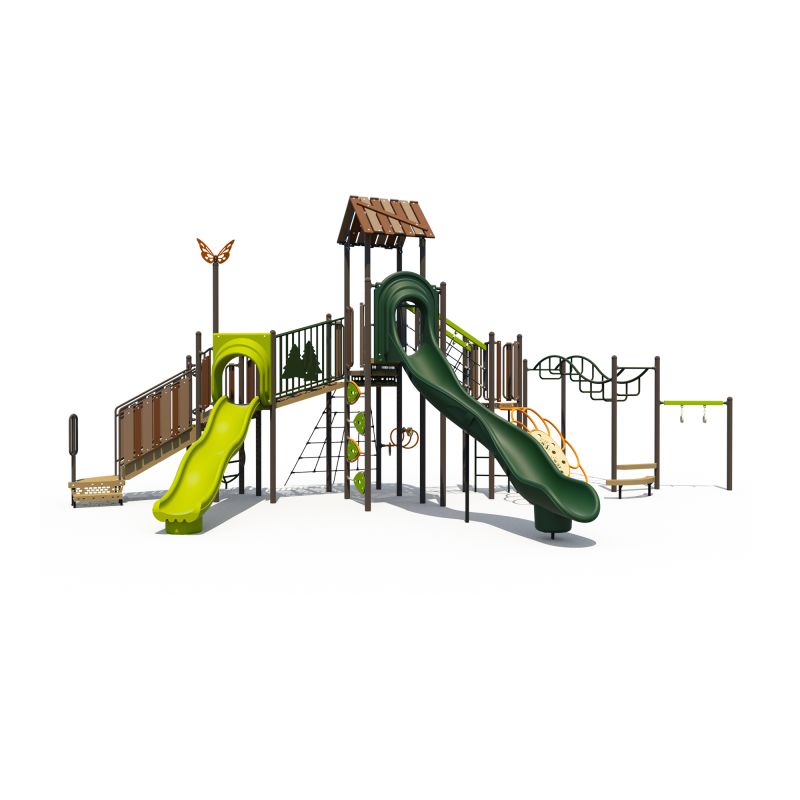
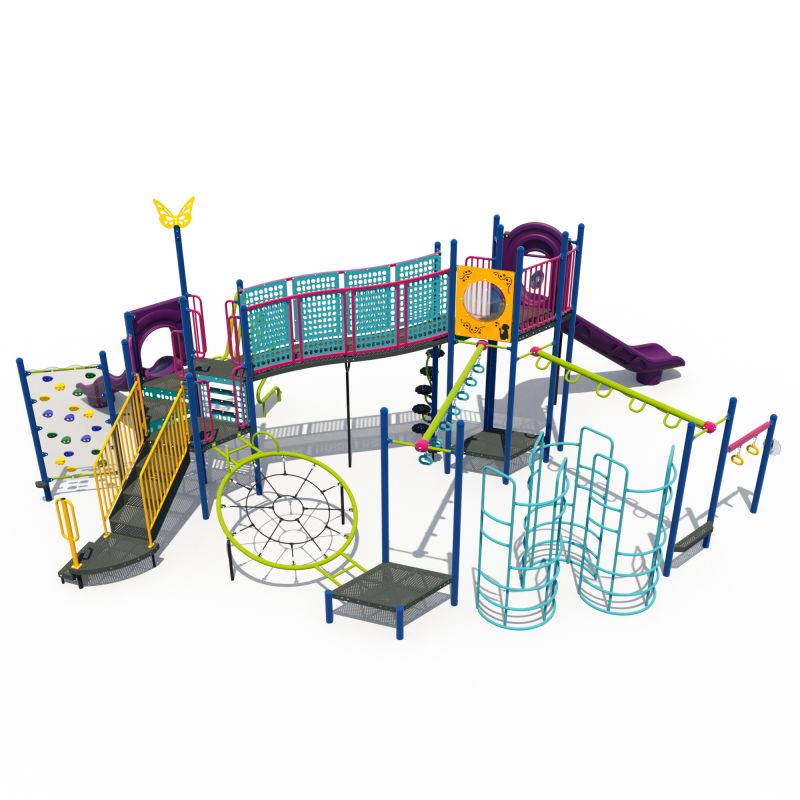
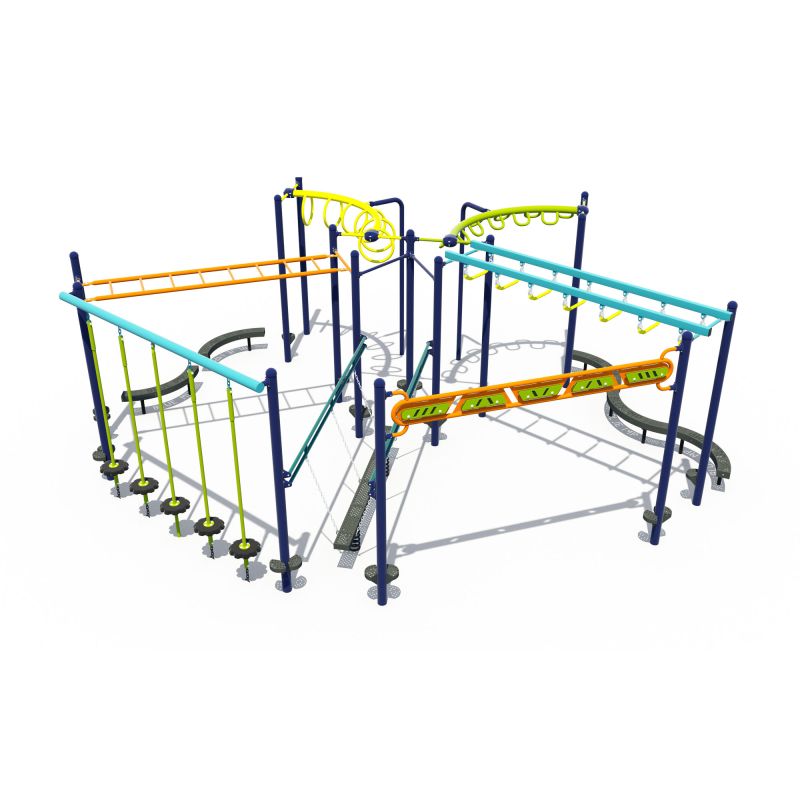
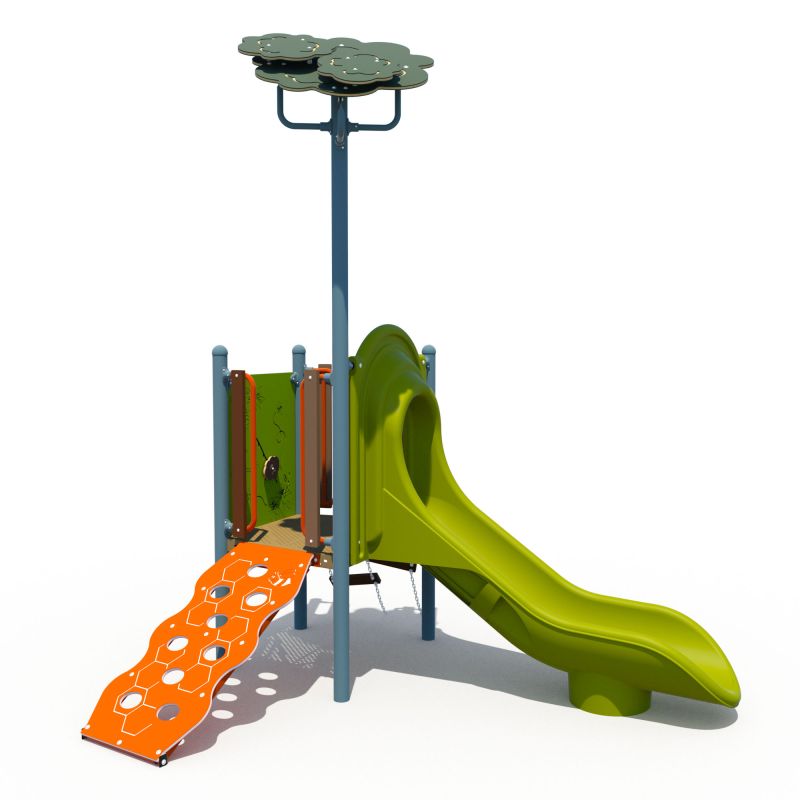
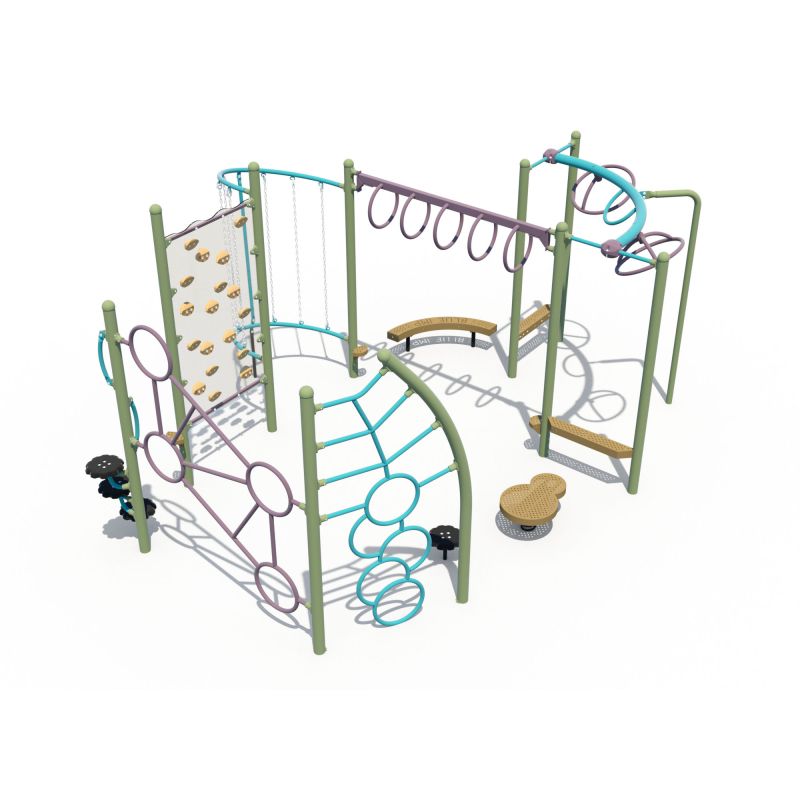

Choosing the right outdoor play structures for your community is about more than just picking equipment; it’s about creating a vibrant hub where children grow, families connect, and neighbourhoods flourish. This guide provides a practical framework for making informed decisions that will shape your public space for years to come. It’s an investment in active play, social development, and the overall well-being of your residents.
From defining your community’s unique needs to ensuring long-term durability against harsh Canadian weather, we will explore a variety of play environments. We will break down the process of choosing outdoor play structures for your community into manageable steps, covering critical factors like inclusivity, safety standards, and budgeting. This article is designed to be a comprehensive resource, offering clear analysis and actionable takeaways at every stage.
Whether you represent a school parent council, a municipal parks department, or a local community group, this plan will help you select safe, engaging, and accessible play spaces. We’ll show you how to build a destination that will serve generations to come, highlighting the quality and expertise of Canadian-made solutions from manufacturers like Blue Imp, who have been designing and manufacturing playgrounds in Alberta since 1917. Let’s begin building a space that inspires joy and strengthens community bonds.
1. Define Your Community’s Vision and Goals
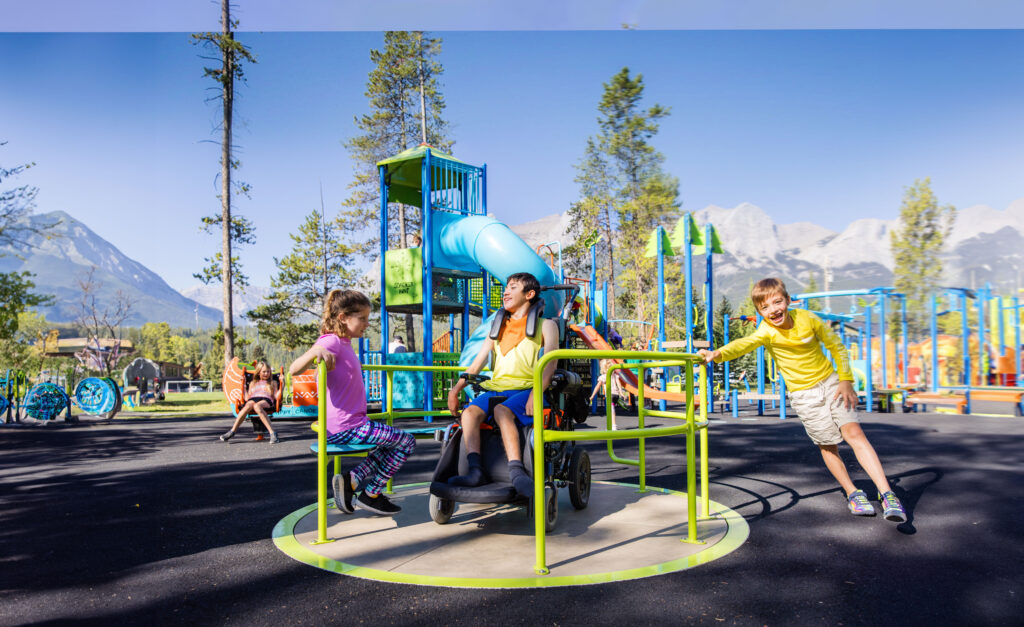
Before you begin exploring playground catalogues or comparing swing sets, the foundational step in choosing outdoor play structures for your community is to define a clear and shared vision. A playground is more than just equipment; it’s a hub for connection, learning, and well-being. A successful playspace is purpose-built for its unique users and the community it serves.
This crucial first stage involves bringing all stakeholders to the table to establish core objectives. Engage with parent councils who champion play value, municipal planners focused on durability and lifecycle costs, and local community groups who care about inclusivity and local manufacturing. This collaborative effort ensures the final design is not just appealing, but deeply meaningful and functional.
Strategic Breakdown
Start by asking the key questions that will guide the entire process:
- Who are we building this for? Define the primary age groups (e.g., 2-5, 5-12 years) and consider the full spectrum of user abilities.
- What outcomes do we want to achieve? Are you aiming to boost physical activity, foster imaginative and social play, or create a quiet space for sensory engagement?
- Does our space have a story to tell? A theme can celebrate local history, nature, or a specific educational goal. For example, a rural community might choose a farm theme, like the Barn Yard Bliss or Farmhouse Fun designs from Blue Imp.
Actionable Takeaways
Answering these questions provides a solid framework for every subsequent decision, from equipment selection to budgeting. It aligns everyone on a common goal, making the process smoother and more effective.
Key Insight: A clearly articulated vision statement becomes your project’s roadmap. It prevents scope creep and ensures every dollar spent directly supports your community’s most important goals, transforming the complex task of choosing outdoor play structures for your community into a focused, mission-driven endeavour.
2. Water Play Features and Splash Pads
In communities where summer heat is a defining feature, water play structures and splash pads offer more than just fun; they provide essential relief, sensory engagement, and a dynamic way to cool down. These features transform a standard park into a destination, creating a vibrant hub that encourages social interaction and active play for children of all ages and abilities on the hottest days.
This element of choosing outdoor play structures for your community brings a unique sensory dimension that static equipment cannot replicate. From simple ground-level sprayers to more complex, interactive water tables and cannons, these installations are highly effective at drawing families outdoors and keeping them engaged for longer periods, fostering a strong sense of community connection.
Strategic Breakdown
Integrating water play requires a specialized approach that balances excitement with safety, sustainability, and operational planning. Your strategy should address the unique demands of a water-based environment from day one.
- What is the operational scope? Consider the long-term commitment. This includes water treatment systems, daily safety inspections, and seasonal startup and shutdown procedures.
- How will we ensure accessibility? Universal design is critical. Plan for zero-depth entry points, non-slip surfacing, and features that can be enjoyed by children using mobility devices.
- What is our approach to water conservation? Explore systems for water recycling, reclamation, and low-flow fixtures to ensure the feature is both fun and environmentally responsible.
Actionable Takeaways
Careful planning ensures your splash pad is a lasting asset rather than a maintenance burden. Focus on robust infrastructure, from high-quality filtration and drainage systems to durable, all-season materials designed for the Canadian climate. Providing amenities like shade structures and accessible changing areas will significantly enhance the user experience.
Key Insight: A successful water play feature is a system, not just a set of fixtures. By investing in high-quality water management and designing for universal access, you create an inclusive, safe, and sustainable attraction that becomes a cherished centrepiece of community life for years to come.
3. Sports-Specific Multi-Use Courts and Fields
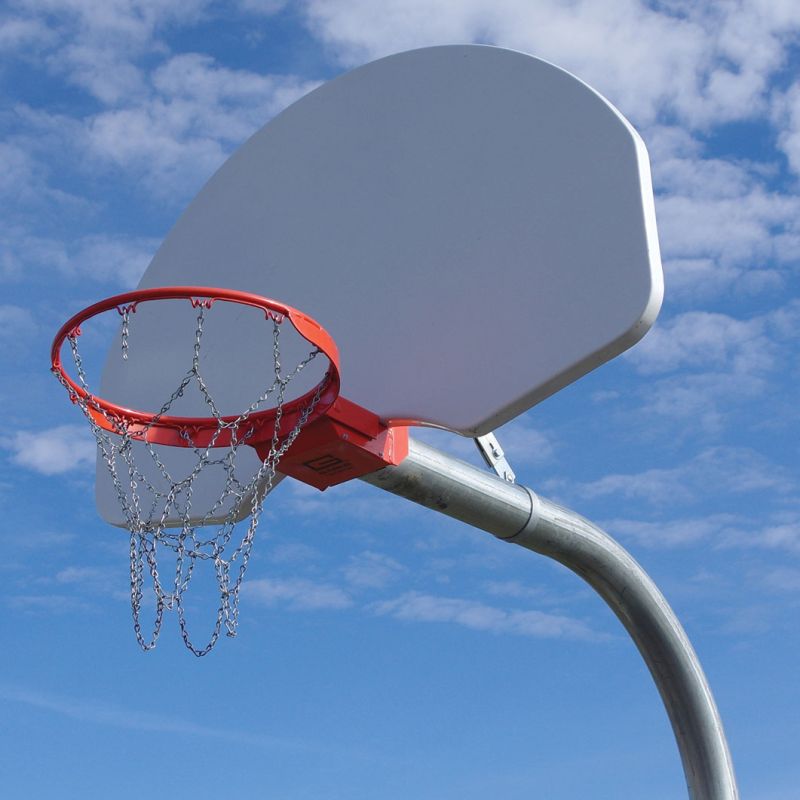
While imaginative play structures are essential, a community’s recreational needs often extend to organised sports. Multi-use courts and fields offer a dedicated space for activities like basketball, pickleball, and volleyball. These facilities consolidate multiple sports into a single, efficient footprint, providing structured athletic opportunities that appeal to older children, teens, and adults who may have outgrown traditional playgrounds.
This approach transforms underutilised park areas into vibrant hubs for competition, skill-building, and active living. By providing a designated zone for athletics, you not only cater to a broader demographic but also reduce user conflict on general-purpose play surfaces. Integrating sports facilities is a key strategy when choosing outdoor play structures for your community, ensuring the space serves all ages and interests with purpose-built equipment.
Strategic Breakdown
To maximize the value of a multi-use sports area, planning must go beyond simply painting lines on asphalt. The design should be intentional and adaptable:
- Who will be playing? Consider the full range of users, from school teams needing a practice area to families enjoying a casual game. This will inform decisions on court size and equipment.
- What sports are in demand? Survey the community to identify popular activities. The rise of sports like pickleball means that adaptability is key.
- How can we maximize use? Planning for features like lighting extends playable hours into the evening, while nearby seating and shade structures make the space welcoming for spectators and those waiting to play.
Actionable Takeaways
A well-designed sports facility encourages healthy competition and lifelong fitness habits. It provides a crucial outlet for physical energy and social connection among teens and adults, complementing the playground offerings for younger children.
Key Insight: Multi-use courts are an investment in community health and engagement. By creating a flexible, high-quality space for organised sports, you ensure your park remains a relevant and cherished destination for residents of every age, fostering a culture of activity and well-being.
4. Adventure Play and Obstacle Course Structures
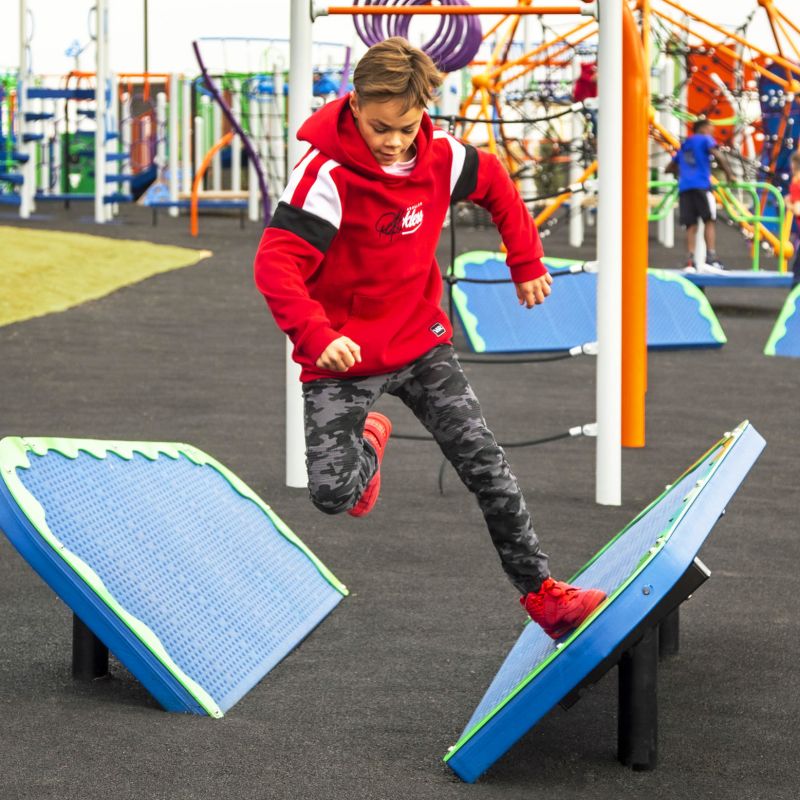
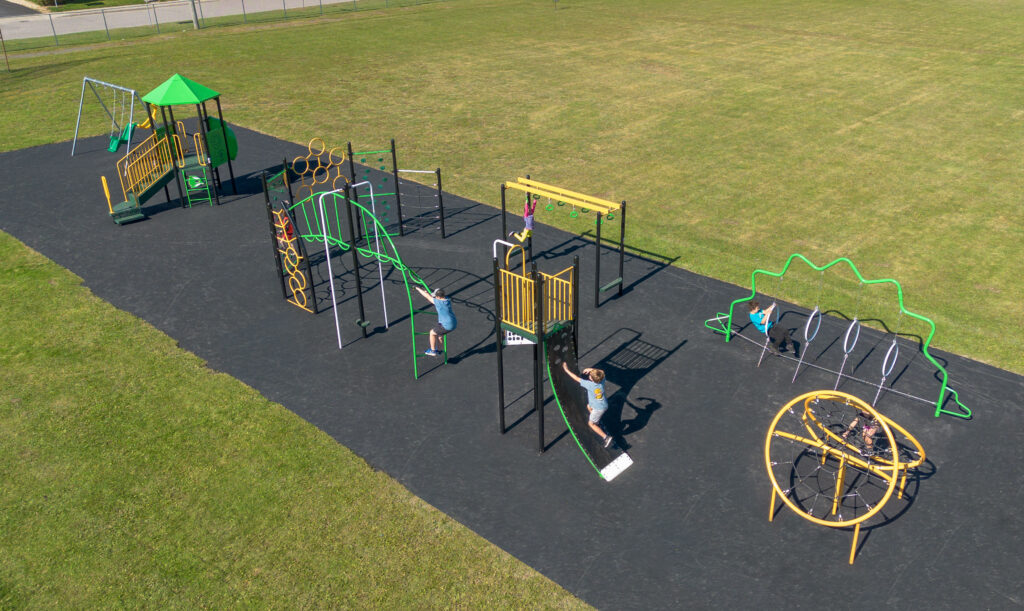
Adventure play structures move beyond traditional slides and swings to offer challenges that build resilience, confidence, and physical competence. These designs incorporate elements like complex climbers, rope courses, and balancing components that encourage children to test their limits in a controlled environment.
When considering how to choose outdoor play structures for your community, embracing this philosophy opens up new possibilities for dynamic play. It fosters critical thinking and problem-solving skills as children navigate routes, assess their abilities, and overcome obstacles. A well-designed obstacle course becomes a destination where physical literacy and self-assurance grow together.
Strategic Breakdown
Implementing an adventure play concept requires a clear strategy focused on graduated challenges and safety compliance. Start by defining the desired outcomes and user abilities:
- What level of challenge is appropriate? Determine if you are catering to younger children with low-level balance challenges or older users seeking agility and strength-building obstacles.
- How can we create progressive difficulty? The layout should allow users to build skills, moving from simpler to more complex activities. This builds confidence and reduces the likelihood of users attempting challenges beyond their current capabilities.
Actionable Takeaways
A successful adventure playground is built on a foundation of intentional design and rigorous safety protocols. It’s about creating an environment where children can safely push their boundaries and experience the thrill of accomplishment.
Key Insight: Adventure play is about development. By offering structures that provide incremental challenges, you empower children to develop resilience, coordination, and sound judgment. This approach transforms a playground from a simple recreational spot into a valuable training ground for life skills.
5. Themed and Educational Play Structures
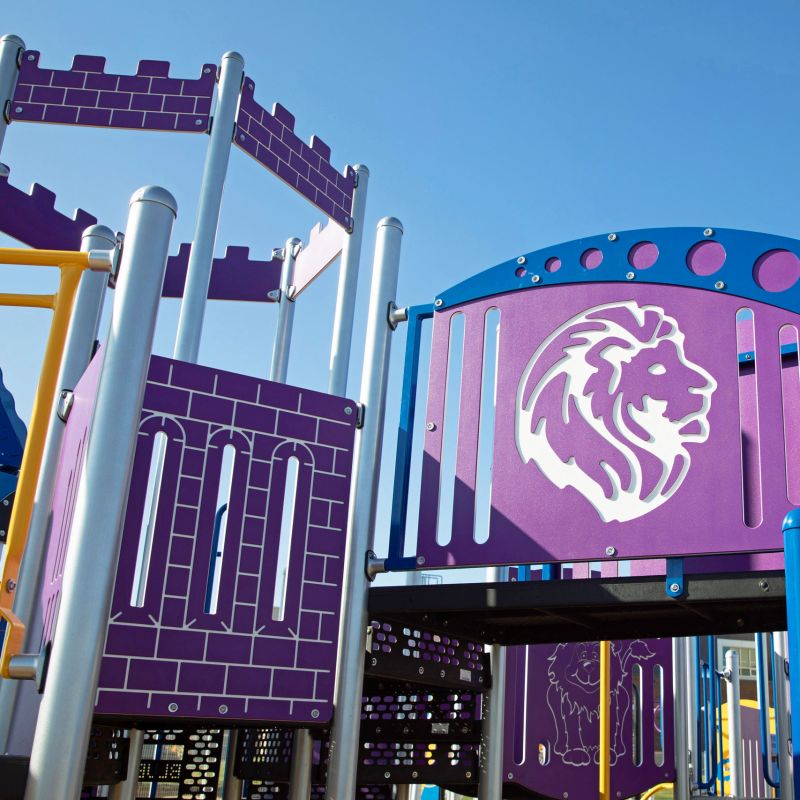
Beyond providing simple physical activity, outdoor play structures can become dynamic centres for learning and imagination. Themed and educational playgrounds transform a standard play area into an immersive environment where children engage with concepts like science, nature, music, and local culture. This approach layers developmental value onto physical play, creating a richer, more memorable experience.
By integrating educational elements directly into the equipment, a community demonstrates its commitment to holistic child development. Collaborating with educators and local experts ensures these themes are not only fun but also meaningful and contextually relevant. This strategic choice turns the playground into an outdoor classroom, supporting cognitive growth, sparking curiosity, and fostering a lifelong love of learning.
Strategic Breakdown
To successfully integrate a theme, your planning should move beyond aesthetics to focus on interactive learning objectives:
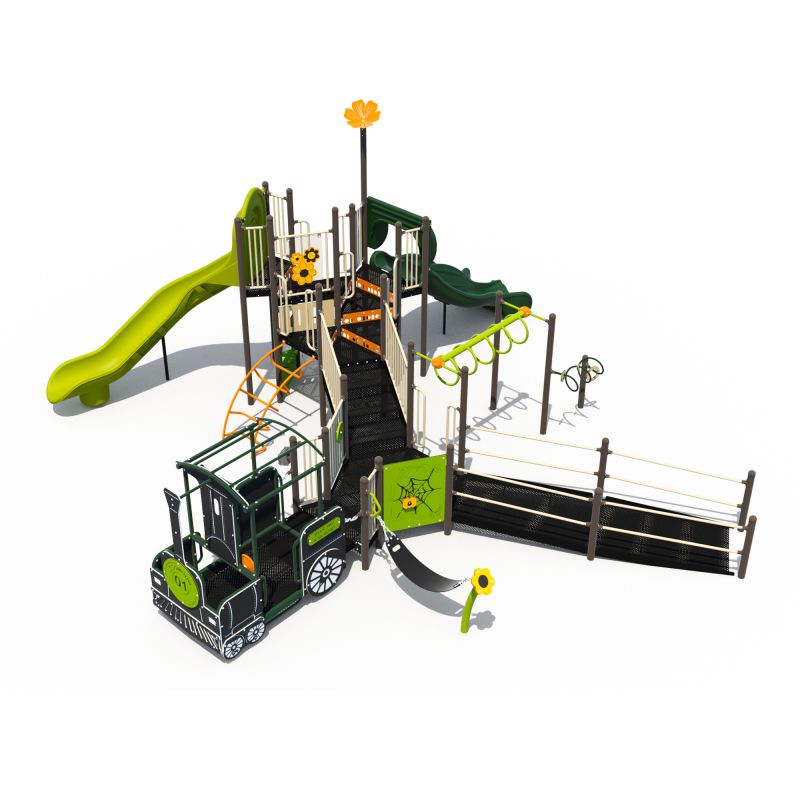
- What story do we want to tell? A theme can honour your community’s identity. For instance, a prairie town might select a design that reflects its agricultural roots, while a mountain community could opt for the train-inspired Locomotion or King Station designs from Blue Imp to celebrate its connection to the railway.
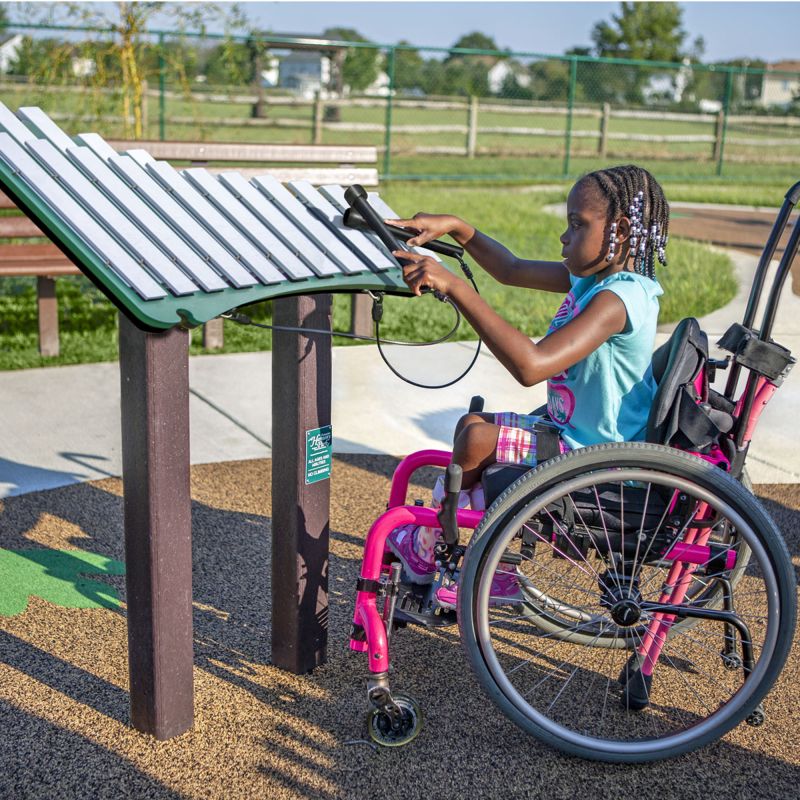
- How can play teach a specific concept? Consider how equipment can demonstrate principles of science, art, or nature. Musical play panels introduce concepts of rhythm and sound, while structures with interpretive signage about local flora and fauna connect children to their natural environment.
- Who can help us make it authentic? Partner with local educators, naturalists, or museum specialists. Their expertise ensures the educational components are accurate, age-appropriate, and effectively integrated into the play experience.
Actionable Takeaways
A well-executed theme elevates a playground from a simple recreational spot to a beloved community landmark. It provides a unique narrative that children can return to time and again, discovering new layers of imaginative and educational play with each visit.
Key Insight: Themed designs are a powerful tool in choosing outdoor play structures for your community because they align physical activity with cognitive and social-emotional development. By embedding a clear educational purpose into the design, you create a space that nurtures both the body and the mind, delivering exceptional long-term value.
6. Skateparks and BMX Facilities
Beyond traditional playgrounds, specialized facilities like skateparks and BMX courses offer dynamic hubs for youth engagement and active recreation. These spaces, featuring concrete bowls, ramps, ledges, and rails, are purpose-built for wheeled sports and create a vibrant centre for community and athletic expression. Choosing to invest in such a facility is a powerful statement about valuing and providing for teens and young adults.
Bringing this type of project to life requires a deep understanding of its user base. Engaging directly with local skaters, riders, and action sports enthusiasts is not just a suggestion; it is the cornerstone of success. This collaboration ensures the park’s features are authentic, challenging, and safe, transforming a simple concrete slab into a celebrated community landmark.
Strategic Breakdown
To design a successful facility, you must focus on both flow and function, catering to a diverse range of skill levels:
- Who is this space for? Consider the entire user spectrum, from a young child on a scooter to a seasoned BMX rider. A well-designed park includes distinct zones for different activities and abilities.
- What is our community’s skill level? Does your town have a thriving action sports scene or are you building one from the ground up? Your design should reflect this, potentially starting with a beginner-friendly layout that can be expanded later.
- How does this connect to our broader recreation goals? A skatepark can be a standalone destination or part of a larger plan for choosing outdoor play structures for your community, complementing nearby playgrounds to create a multi-generational activity zone.
Actionable Takeaways
Planning with user input and long-term viability in mind ensures the facility becomes a cherished and well-used asset. It respects the culture of action sports while meeting the practical needs of municipal management.
Key Insight: A successful skatepark is a co-created space. By empowering future users to help shape the design, you build a foundation of ownership and respect that translates into a safer, more positive, and more active environment for everyone involved.
7. Fitness and Health-Focused Outdoor Gym Equipment
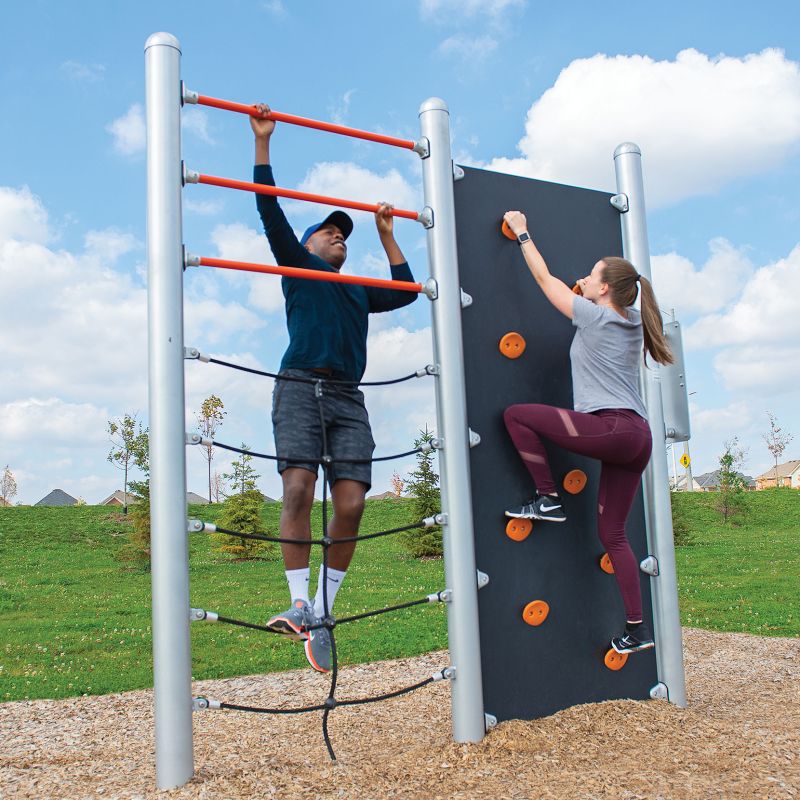
Beyond traditional playgrounds, a growing number of communities are integrating dedicated outdoor fitness areas to promote lifelong wellness. These spaces move beyond child’s play to provide accessible, free-to-use exercise opportunities for adults, seniors, and teens. By strategically choosing outdoor play structures for your community that include fitness elements, you create a multigenerational hub that supports the health of every resident.
This approach involves installing durable, weather-resistant exercise equipment in public parks, along trails, or adjacent to existing playspaces. These installations can range from discrete fitness stations to complete agility circuits. The goal is to lower barriers to physical activity, making it easy and inviting for everyone to build strength, improve cardiovascular health, and enhance flexibility.
Strategic Breakdown
To successfully integrate an outdoor gym, your planning should focus on user engagement and long-term functionality:
- Who is the target user? Are you designing for active adults seeking a full workout, seniors needing gentle mobility exercises, or teens looking for a place to train?
- What are the fitness goals? Aim for a balanced circuit that includes stations for cardio, strength and flexibility. Providing variety ensures a comprehensive workout.
- How will users understand the equipment? Clear, simple instructional signage is essential for demonstrating proper form and helping to prevent injury. This empowers users of all fitness levels to participate safely and effectively.
- Is the equipment designed to withstand Canada’s extreme weather conditions? Durable materials and protective finishes help ensure reliable performance through harsh climates, freeze-thaw cycles, moisture, UV exposure, and more.
Actionable Takeaways
By thinking of fitness equipment as a core part of your community’s recreational infrastructure, you extend the benefits of outdoor activity to all ages. It transforms a park into a holistic wellness centre that serves a much broader demographic. Blue Imp’s IMPulse Outdoor Fitness Stations will give you an idea of the range of equipment available,
Key Insight: Integrating outdoor fitness equipment creates a powerful synergy, allowing parents and caregivers to exercise while their children play nearby. This strategy doubles the value of your public space, fostering healthy habits for the entire family and maximizing community-wide engagement.
8. Dog Parks and Pet-Friendly Play Areas
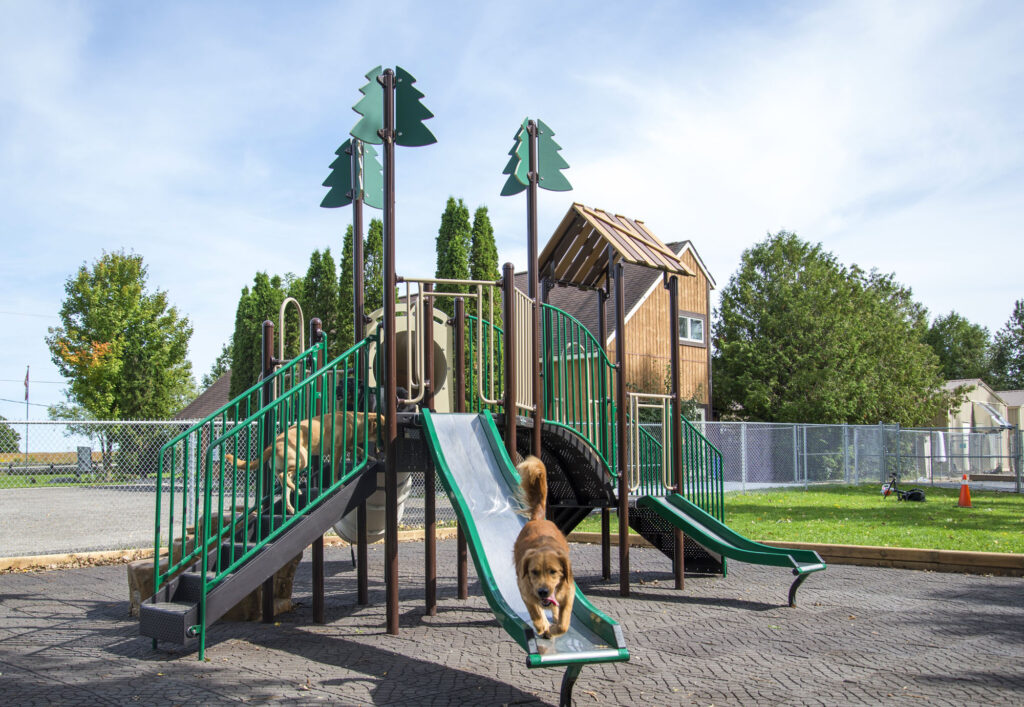
A truly community-focused playspace recognises that families often include four-legged members. Integrating dedicated dog parks or pet-friendly zones is a powerful way to expand the utility of public spaces, creating destinations where all residents feel welcome. These areas are more than just fenced-in fields; they are purpose-built environments that support animal well-being, encourage responsible pet ownership, and foster social connections among neighbours.
This forward-thinking approach involves creating safe, designated areas where dogs can exercise and socialise off-leash. It acknowledges the growing number of pet-owning households and provides a necessary outlet that reduces conflicts in other park areas. By planning for pet needs, from water access to waste disposal, communities demonstrate a comprehensive commitment to the well-being of every resident, human and canine alike.
Strategic Breakdown
To successfully integrate a pet-friendly area, your planning must be as intentional as it is for a children’s playground:
- Who is this space for? Consider creating separate, clearly marked zones for small and large dogs to ensure safety and comfort for all animals.
- What infrastructure is essential? Key elements include secure, double-gated entries to prevent escapes, ample access to fresh water, shaded areas for rest, and highly visible waste stations.
- How will the space be managed? Establish clear, posted rules regarding behaviour, vaccination requirements, and owner responsibilities to ensure the park remains a positive and safe environment for everyone. For example, some communities organise volunteer groups to help with upkeep and monitoring.
Actionable Takeaways
Planning a dedicated dog park transforms an underutilised section of a park into a vibrant community hub. It not only provides a safe space for pets but also enhances the overall value of your public recreation offerings, making the entire process of choosing outdoor play structures for your community more holistic.
Key Insight: A well-designed dog park is a community asset that promotes responsible pet ownership and social interaction. By thoughtfully addressing safety, maintenance, and user rules from the outset, you create a cherished local amenity that supports the health and happiness of pets and their owners.
9. Community Gardens and Green Play Spaces
Integrating play structures with community gardens creates a unique, multi-generational hub that blends recreation with hands-on learning. These “green play spaces” move beyond traditional equipment to foster a deep connection with nature, food, and community. They are living classrooms where children can engage in active play one moment and learn about ecology, nutrition, and sustainability the next.
This approach transforms a simple park into a destination for holistic well-being. By combining agricultural elements with play, you invite a broader range of community members, from young families to senior gardeners, to interact and share knowledge. It’s an innovative strategy in choosing outdoor play structures for your community that yields benefits far beyond physical activity, nurturing both the environment and social bonds.
Strategic Breakdown
To successfully merge these two concepts, your planning must be both strategic and collaborative. Think of the garden and the playground as two parts of a single, cohesive ecosystem:
- Who will use this hybrid space? Plan for intergenerational use. This means accessible pathways for seniors, raised garden beds for universal access, and play zones for different age groups.
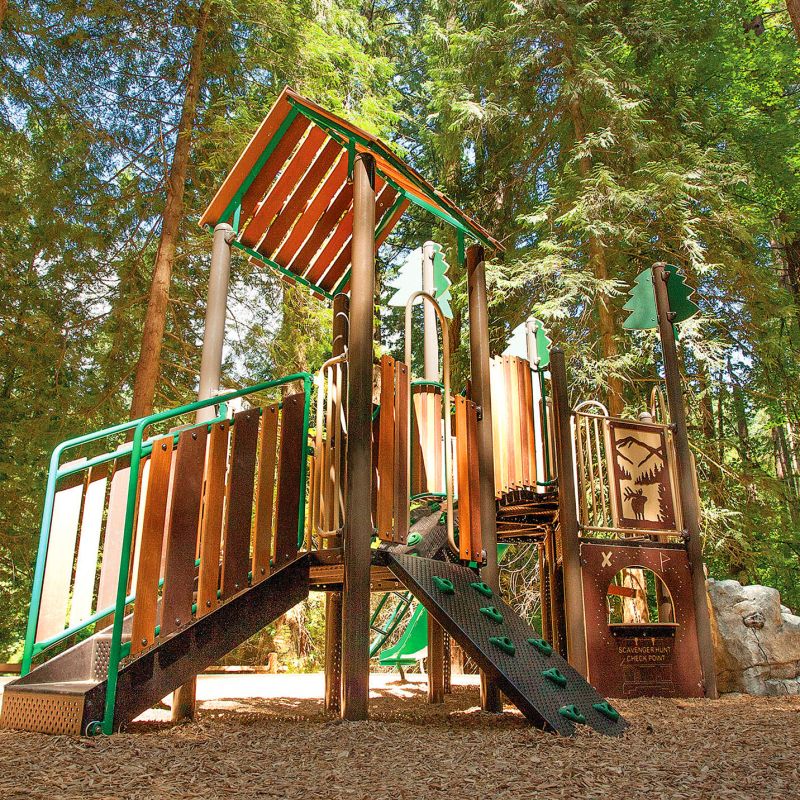
- How does play connect to nature? Select equipment that complements the natural setting. Themed structures, like the nature-inspired Treetop Haven or Tamarack Ridge series, can echo the garden’s theme and encourage imaginative play about the environment.
- What is our educational mission? Define the learning goals. Do you want to teach about pollinators, local food systems, or water conservation? Use this to guide the placement of signage, workshops, and even the types of plants you grow.
Actionable Takeaways
A green play space requires a clear governance model for garden plots and shared areas, along with programming to keep the community engaged year-round. Partnering with local gardening associations can provide invaluable expertise.
Key Insight: A community garden with integrated play structures becomes a powerful tool for community building and education. It transforms the act of play into a lesson on stewardship and health, ensuring your investment supports not just physical development but a lasting appreciation for the natural world.
Community Outdoor Play Structures — 9-Way Comparison
| Play Space | Implementation Complexity | Resource Requirements | Expected Outcomes | Ideal Use Cases | Key Advantages |
|---|---|---|---|---|---|
| Inclusive Playground with Universally Accessible Equipment | High — specialized design, equipment integration | High capital, skilled vendors, ongoing maintenance | Broad participation, social inclusion, compliance | Urban parks, schools, community centers prioritizing accessibility | Promotes inclusion, usable by all ages and abilities |
| Water Play Features and Splash Pads | Medium–High — plumbing, filtration, drainage systems | High operational costs (water, treatment), seasonal staffing | Sensory play, heat relief, strong summer attendance | Warm-climate parks, family destinations, urban plazas | Sensory-rich play, wide age appeal, memorable attraction |
| Sports-Specific Multi-Use Courts and Fields | Medium–High — surfacing, markings, lighting, modular design | High capital, periodic resurfacing, skilled maintenance | Organized sport development, high utilization | Community sports hubs, schools, recreation centers | Multi-sport flexibility, durable surfaces, structured activity |
| Adventure Play and Obstacle Course Structures | High — complex structures, safety surfacing, supervision protocols | High capital, higher insurance/liability costs | Builds confidence, risk-assessment, advanced physical skills | Adventure parks, youth development programs, large playgrounds | Promotes resilience and physical challenge, highly engaging |
| Themed and Educational Play Structures | Medium — content design, interpretive elements | Moderate–High design/install costs, content maintenance | Learning through play, curriculum support, extended engagement | Museums, school grounds, educational parks | Integrates education and play, supports partnerships with schools |
| Skateparks and BMX Facilities | High — specialized engineering, concrete construction | High construction cost, periodic sealing, noise/management needs | Youth engagement, dedicated legal space for wheeled sports | Urban youth centers, action-sport communities, parks | Channels youth activity, strong community identity, durable |
| Fitness and Health-Focused Outdoor Gym Equipment | Low–Medium — standard equipment installation | Moderate equipment cost, routine maintenance, vandalism risk | Increased adult activity, public health benefits, low barrier to use | Neighborhood parks, trails, near senior housing | Free access, small footprint, promotes community health |
| Dog Parks and Pet-Friendly Play Areas | Low–Medium — fencing, zoning, water stations | Moderate maintenance, waste management, supervision/enforcement | Dog socialization, increased park visitation, community gathering | Residential parks, neighborhoods with many dog owners | Popular amenity, straightforward operation, social benefits |
| Community Gardens and Green Play Spaces | Medium — governance, soil testing, irrigation planning | Moderate ongoing volunteer coordination, water, tools | Food production, environmental education, social cohesion | Urban neighborhoods, schools, community centers | Promotes food security, education, biodiversity and social ties |
Your Partner in Building a Lasting Community Legacy
The journey of choosing outdoor play structures for your community is much more than a simple procurement process; it’s an act of legacy-building. It is a commitment to the well-being, joy, and development of current and future generations. Moving from a preliminary idea to a vibrant, laughter-filled playground requires careful planning, dedicated collaboration, and a clear vision. By following the roadmap we’ve detailed, you transform a complex project into a series of manageable, impactful decisions that honour your community’s unique character and needs.
This guide has equipped you with the strategic framework to succeed. We began by emphasising the foundational step of assessing your community’s needs. From there, we explored how to define clear objectives, ensuring your project is purpose-driven, whether your goal is to champion inclusivity, introduce age-appropriate challenges, or create a themed space that sparks imagination. We delved into the critical evaluation of materials and equipment types, balancing durability against play value and long-term maintenance realities. Finally, we navigated the practicalities of budgeting, procurement, installation, and ongoing community engagement, providing a complete picture from start to finish.
Key Takeaways for Building Your Community Hub
Mastering this process means you are not just buying equipment; you are investing in a dynamic community asset. Remember these core principles as you move forward:
- Vision Before Equipment: A successful playground starts with a deep understanding of who you are serving. Your initial needs assessment and objective-setting are the most critical phases. They dictate every subsequent choice, from selecting an accessible structure like the Blue Imp Riverside to integrating fitness stations for older community members.
- Inclusivity is Non-Negotiable: True community spaces welcome everyone. Prioritize designs that offer a diverse range of physical, sensory, and social play opportunities. Planning for accessible surfacing and ground-level activities ensures that no one is left on the sidelines.
- Durability Equals Sustainability: Choosing materials and a manufacturing partner suited to your climate is a long-term financial and practical decision. For Canadian communities, this means selecting equipment engineered to withstand harsh winters and hot summers, ensuring your investment remains safe and beautiful for decades. This is a core principle behind Blue Imp’s Canadian-made promise.
- Compliance by Design: Adherence to national standards like CAN/CSA Z614 is the bedrock of a responsible project. Partnering with a manufacturer whose products meet or exceed these standards from the outset removes guesswork and provides peace of mind for operators and caregivers alike.
Ultimately, choosing outdoor play structures for your community is an opportunity to create a place where memories are made, friendships are forged, and children develop crucial life skills through the simple, profound act of play. It is a powerful statement about what your community values: health, connection, and the future of its youngest members. The right playground becomes the heart of a neighbourhood, a destination that fosters pride and brings people together.
Ready to turn your vision into a vibrant reality?
With over a century of Canadian manufacturing experience, Blue Imp provides the durable, inclusive, and compliant play structures needed to build a lasting legacy. Talk to your regional Blue Imp representative today to request a design for your site and take the first step toward creating your community’s next great space.
