
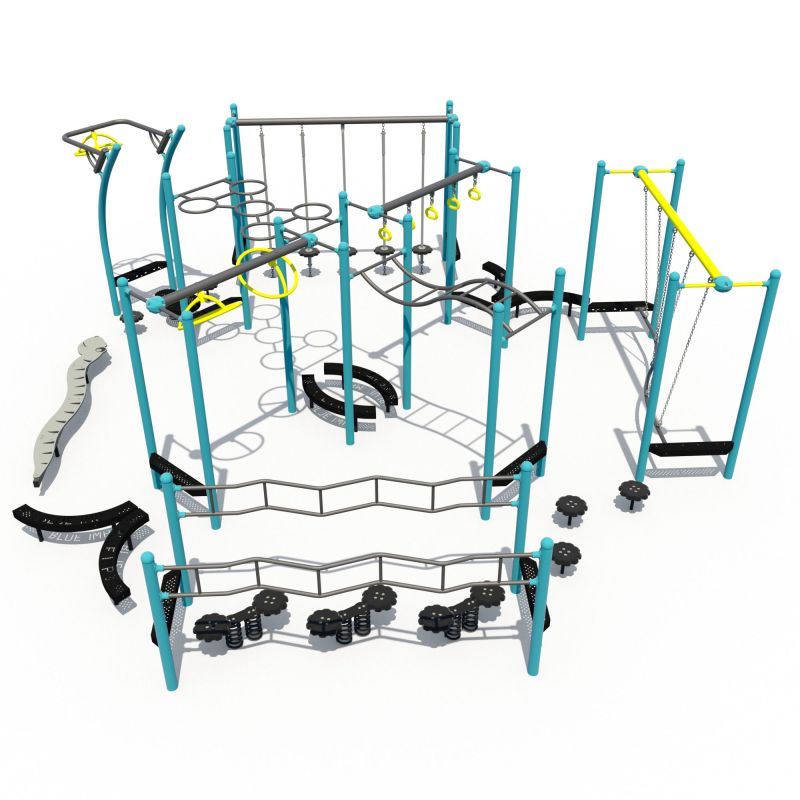
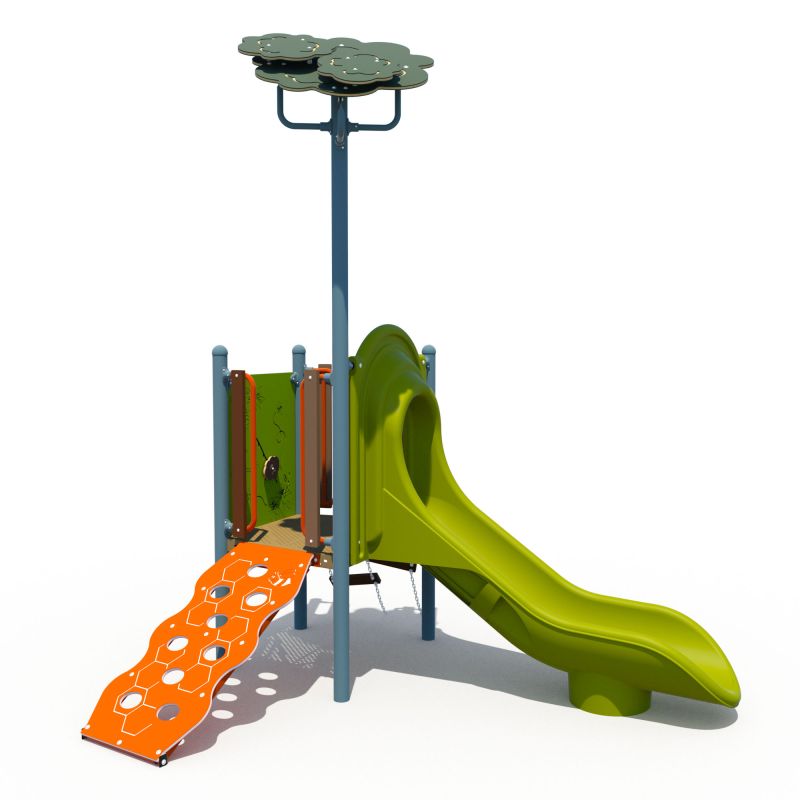
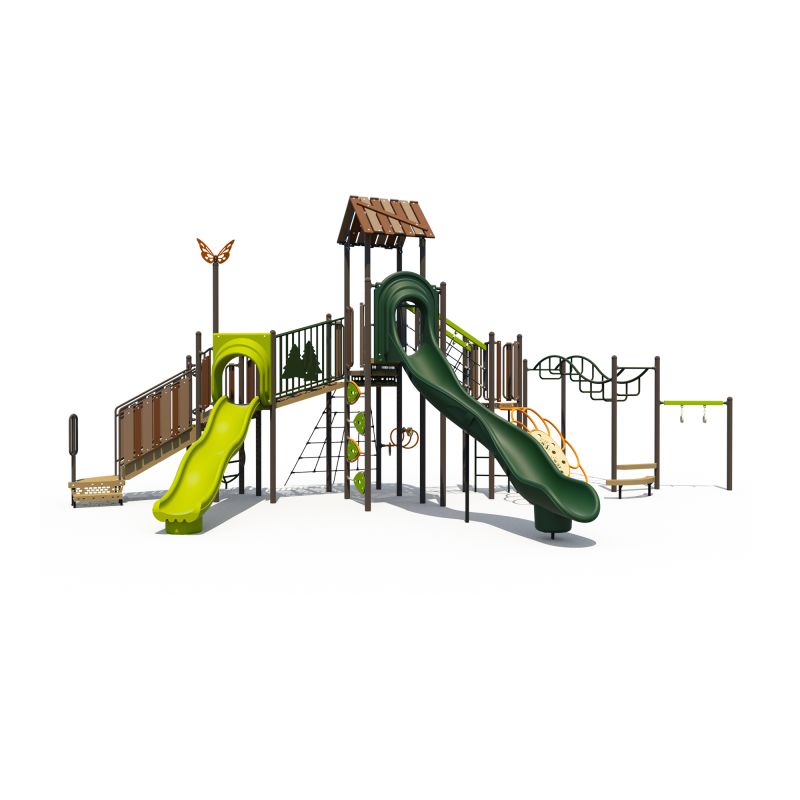
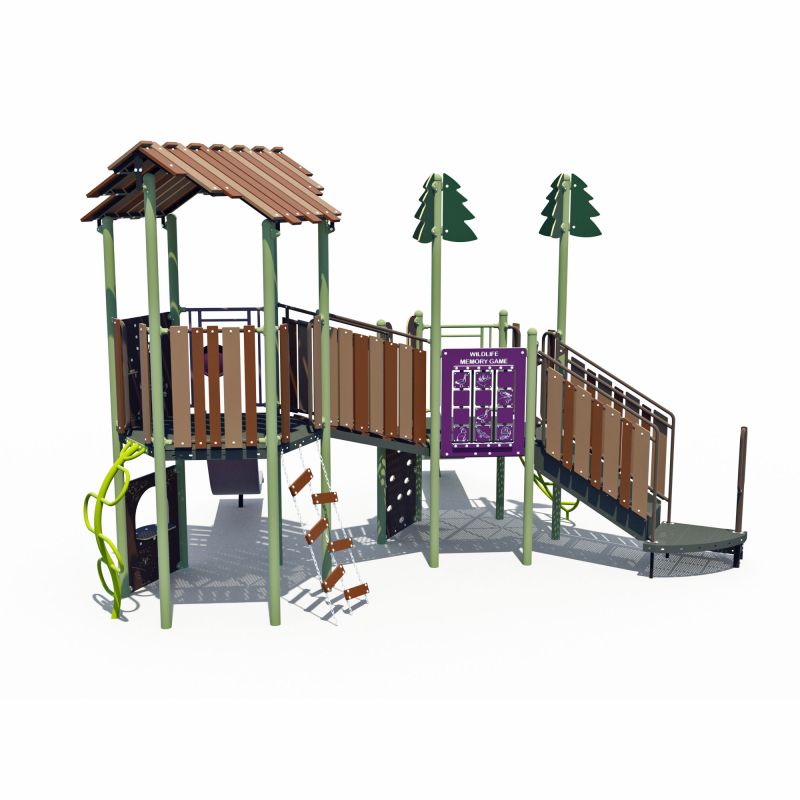
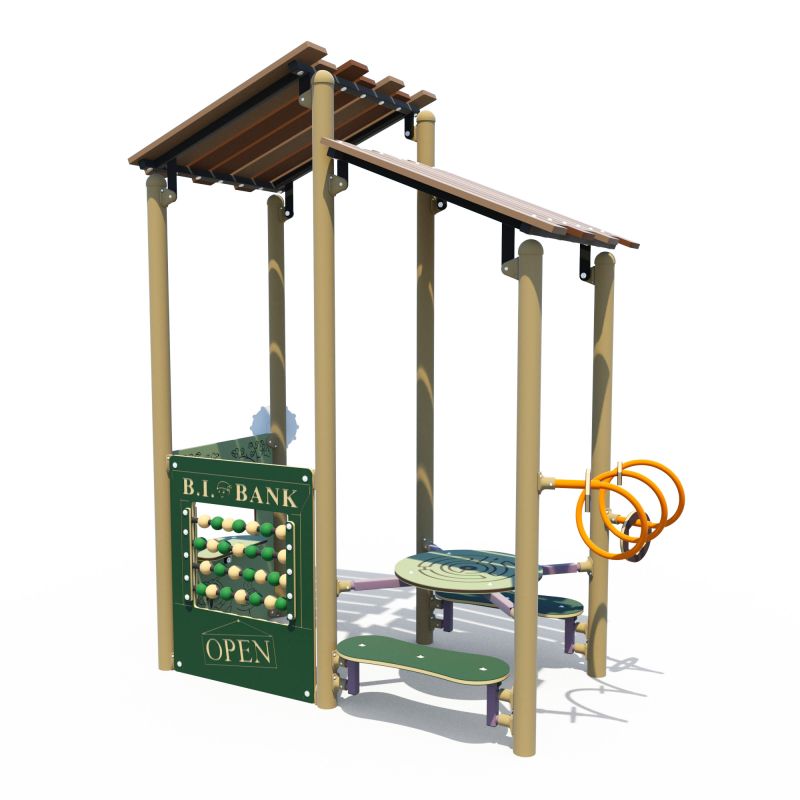
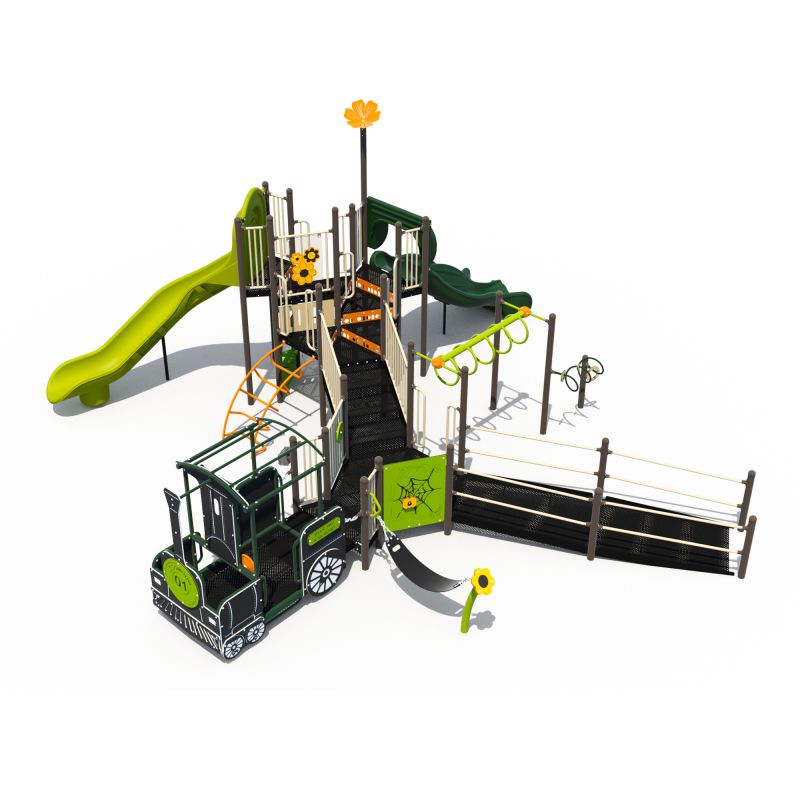
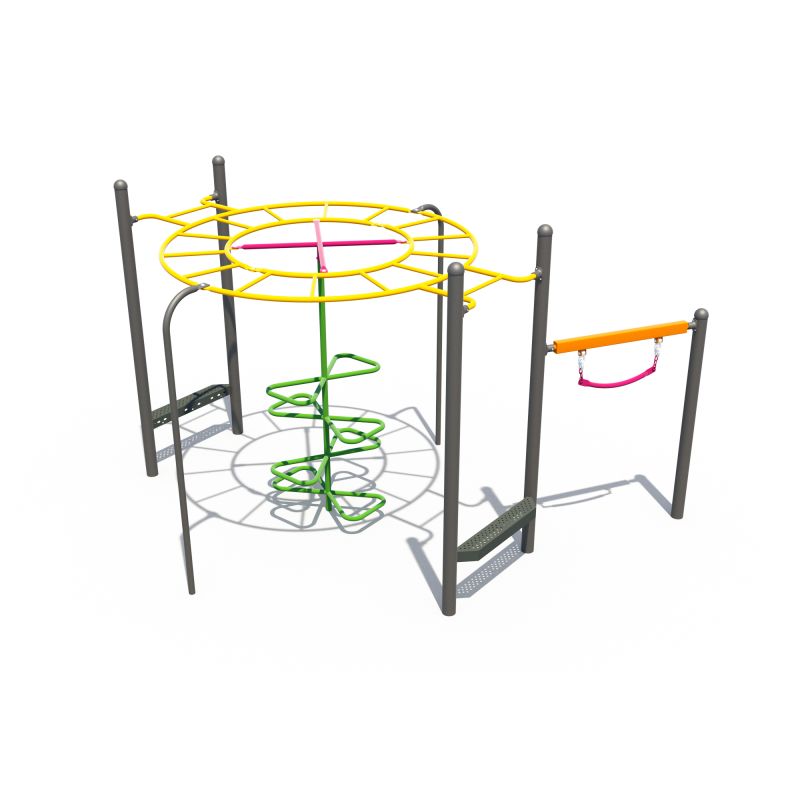

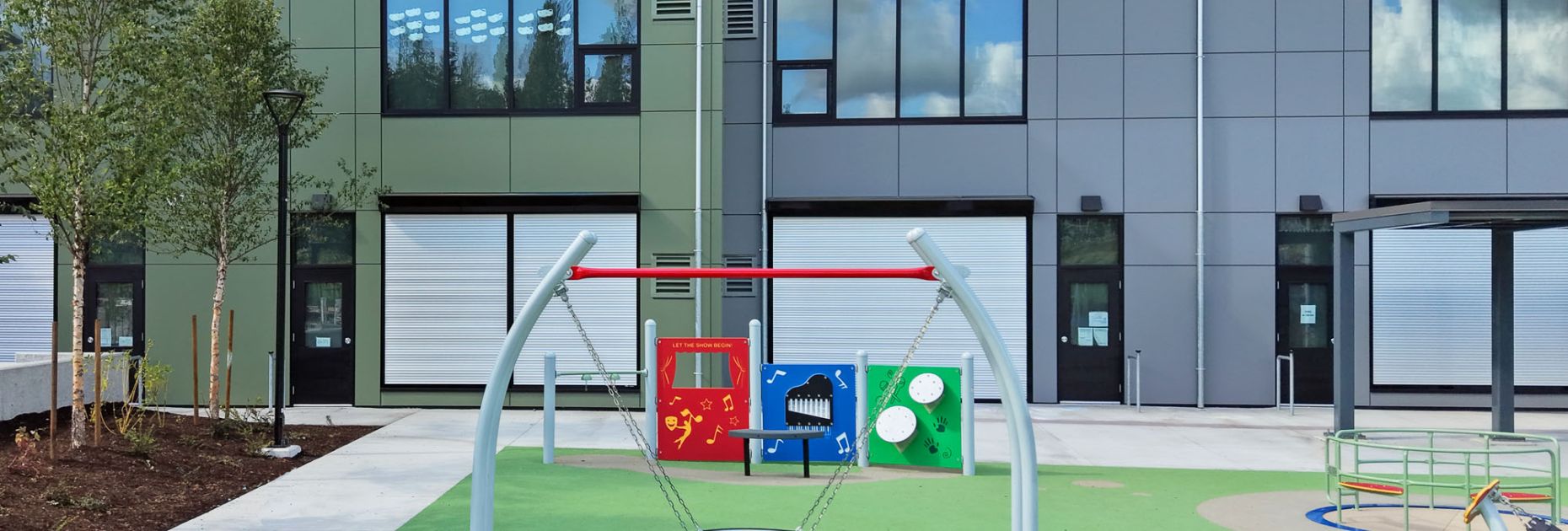
Choosing between commercial and residential playground equipment affects safety, durability, maintenance and long‑term cost. This guide breaks down the key differences, reviews the safety standards that apply in Canada, compares costs and installation needs, and explains routine maintenance. We’ll also explain why partnering with a reputable manufacturer like Blue Imp helps ensure a safe, long‑lasting play space for children.
What Are the Key Differences Between Residential and Commercial Playground Equipment?
Commercial and residential playgrounds are built for different users and environments. The main differences show up in design, materials and expected use: commercial equipment is made for high‑traffic public sites, while residential products are designed for private yards and lighter use.
How Do Intended Use and Location Affect Playground Equipment Design?
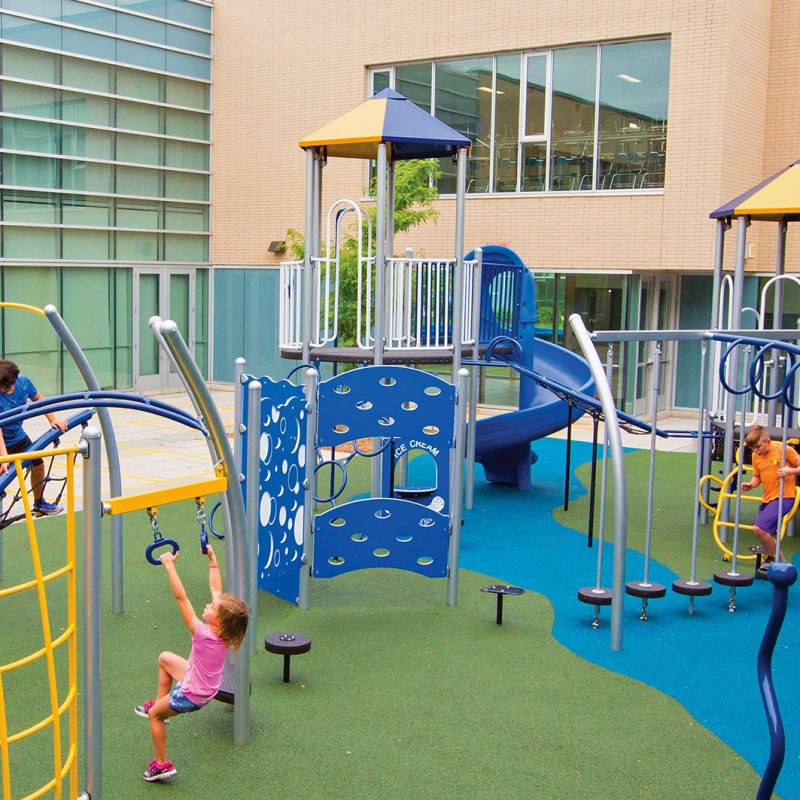
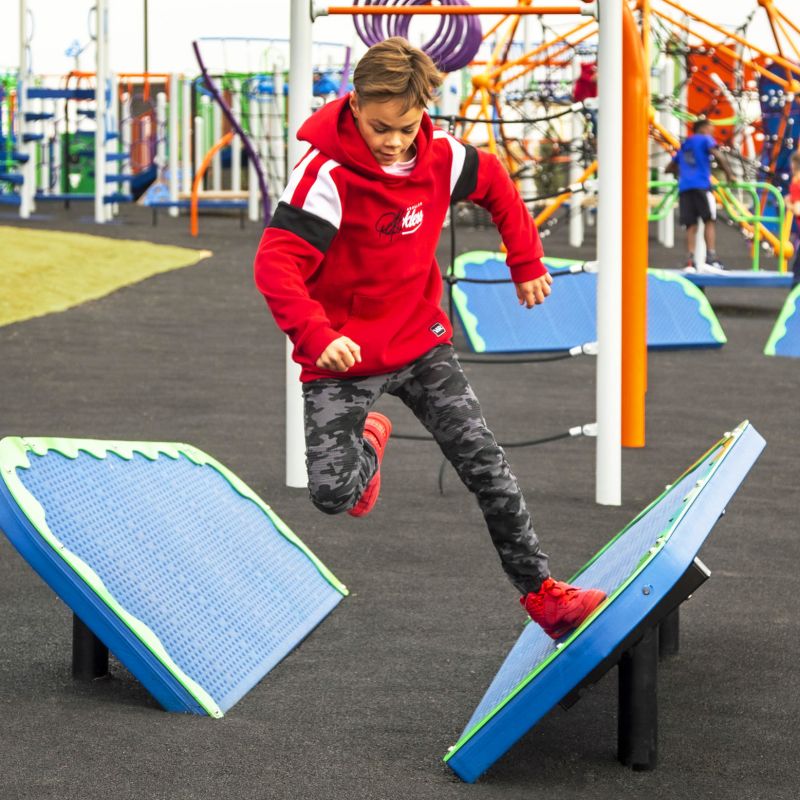
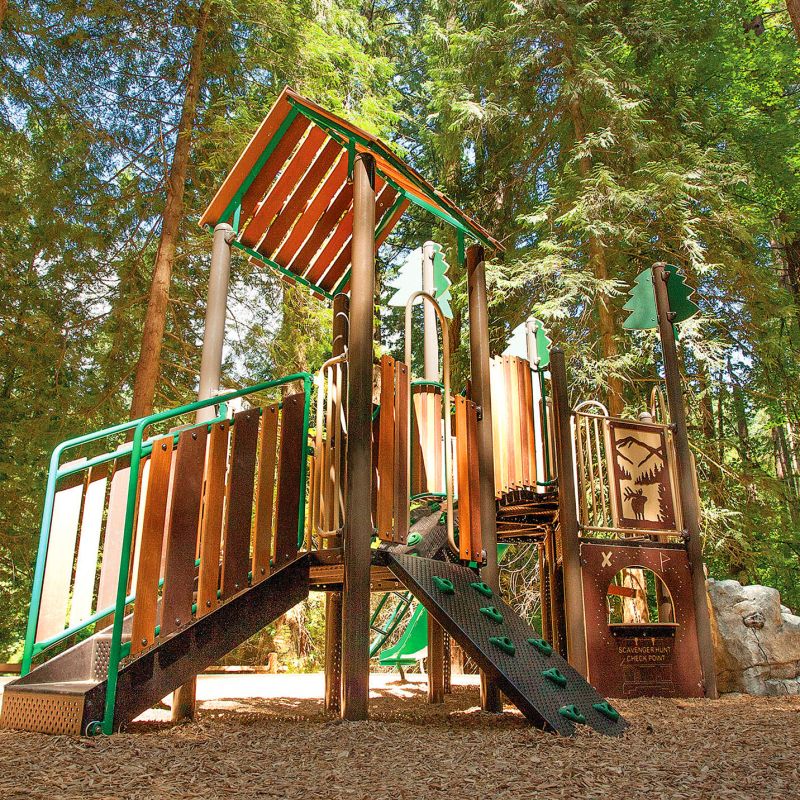
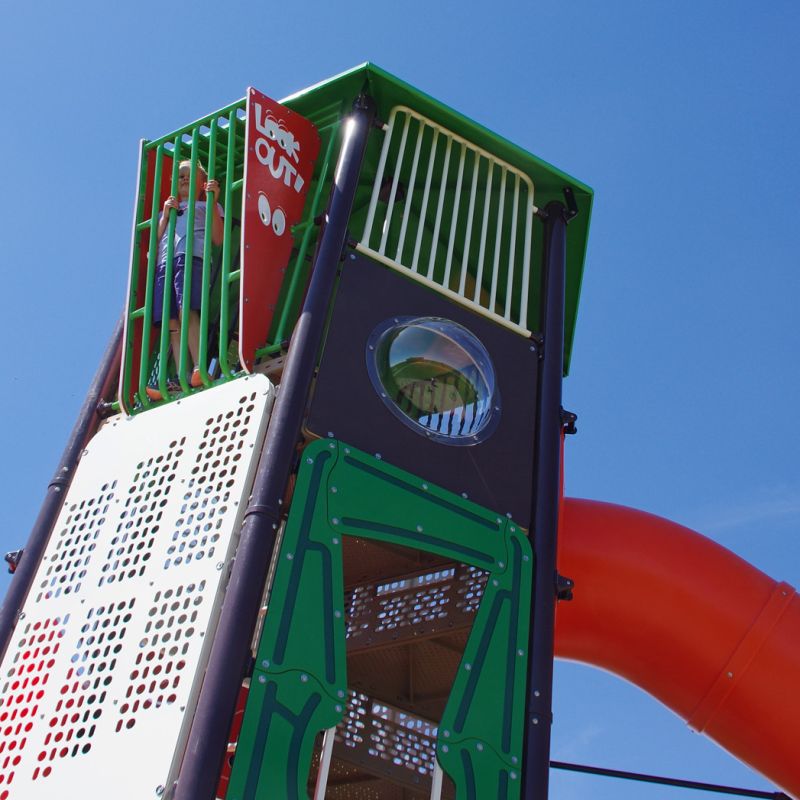
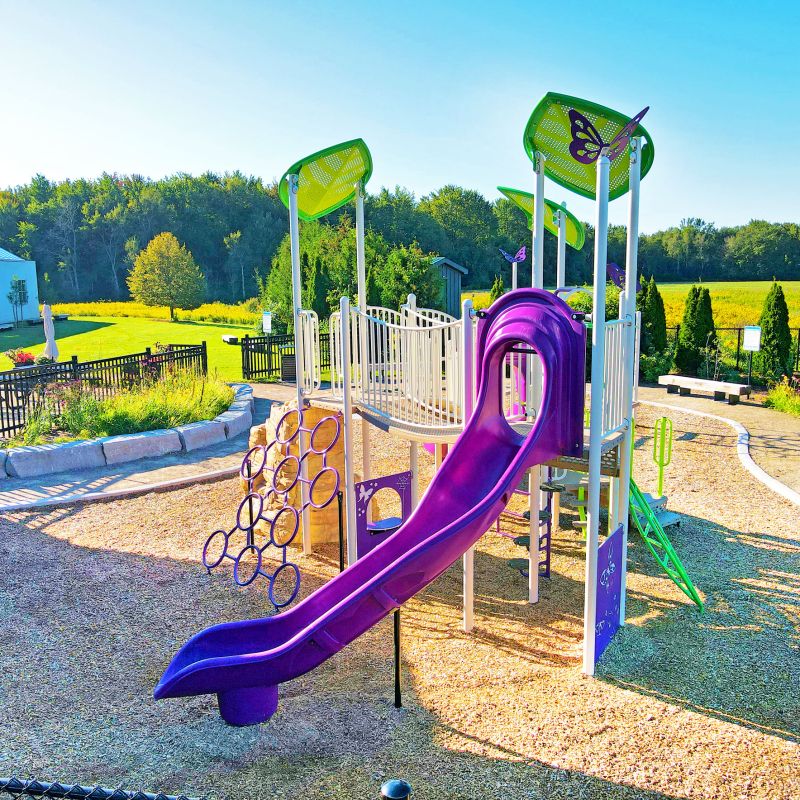
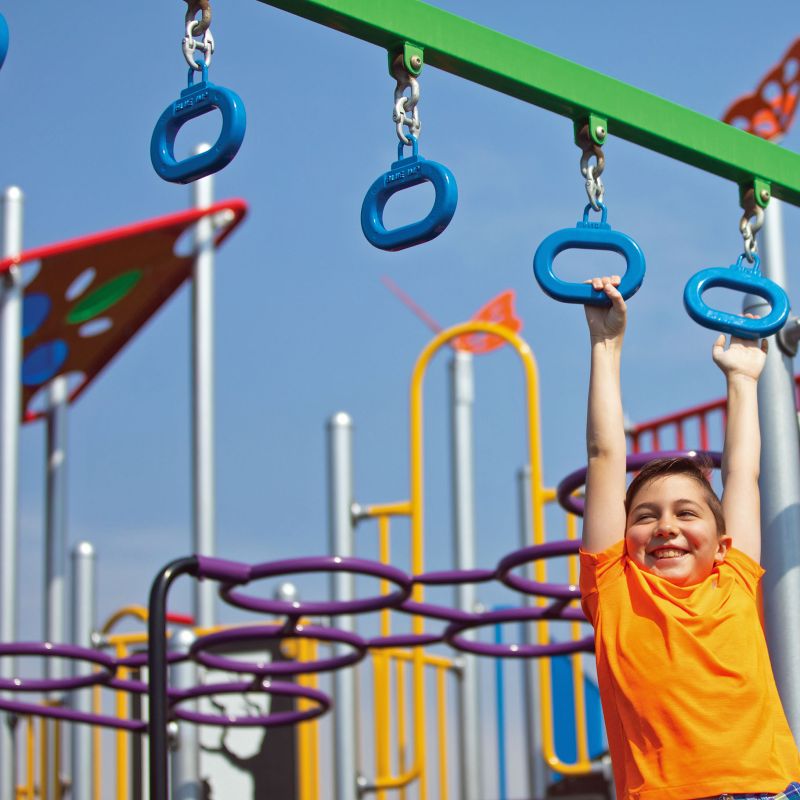
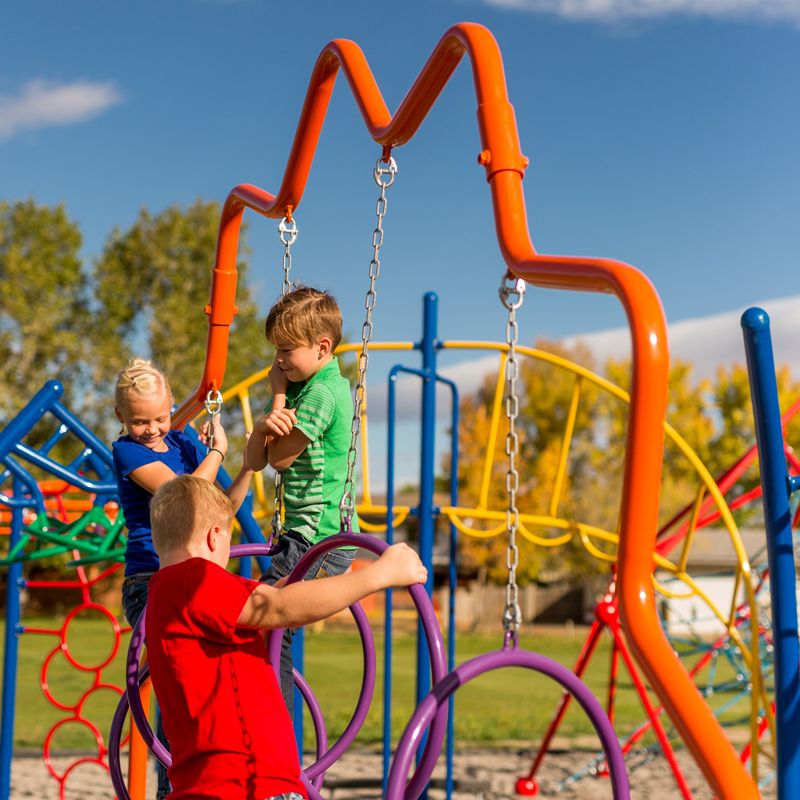
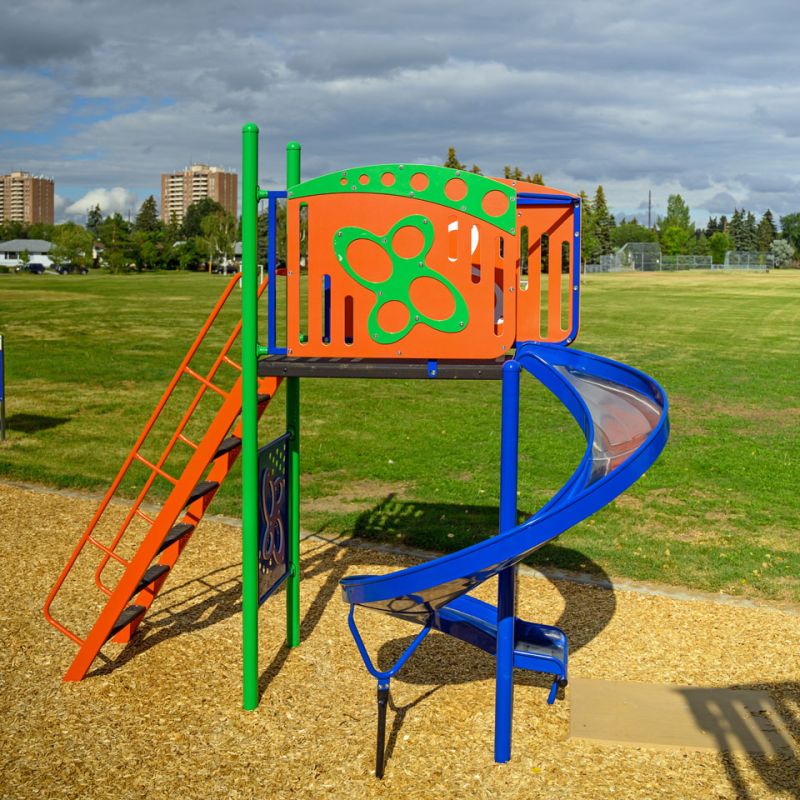
Commercial equipment is engineered for frequent use and variable weather, think reinforced frames, heavy‑duty fasteners and durable surfacing. It’s designed to perform safely under heavy loads and over long service lives. Residential playsets prioritize backyard scale, appearance and family use, so they’re often smaller and geared toward occasional play. Location and usage patterns drive both the safety features and the overall design choices.
What Materials and Durability Standards Distinguish Commercial from Residential Equipment?
Commercial playgrounds use higher‑grade materials, for example, galvanized or powder‑coated steel, industrial‑grade plastics and commercial fasteners, and are tested to stricter durability standards. Residential equipment can still be robust, but it typically uses lighter‑duty materials and faces less rigorous testing. Understanding these material and testing differences helps you match equipment to the expected level of use and maintenance budget.
Which Safety Standards Govern Commercial and Residential Playground Equipment in Canada?
Safety standards set the baseline for design, installation and maintenance. In Canada, CSA Z614 is the primary standard for public (commercial) playground equipment and covers dimensions, surfacing, accessibility and other safety specifics.
What Is CSA Z614 and How Does It Apply to Commercial Playgrounds?
CSA Z614 provides detailed requirements for designing, installing and maintaining playground equipment to reduce injury risk. It specifies things like maximum fall heights, required impact‑attenuating surfacing and accessibility considerations. Following CSA Z614 improves site safety and helps operators manage liability.
How Do ASTM F1487 and ASTM F1148 Standards Differ for Commercial and Residential Use?
ASTM F1487 targets public playground equipment (commercial use) with rigorous safety and performance tests, while ASTM F1148 is written for residential playsets. The main differences are the level of testing, required safety features and impact attenuation performance, commercial standards tend to be stricter because of the higher user volumes and public setting.
How Do Costs and Investment Considerations Compare Between Commercial and Residential Playgrounds?
Cost is a major factor when choosing playground equipment. Commercial systems usually require a higher upfront investment because they use higher‑grade materials and must meet stricter safety standards, but they’re built to last.
What Are the Initial and Long-Term Costs of Commercial vs. Residential Equipment?
Commercial playground projects can start at several thousand dollars and scale up with size and features. Residential options are typically less expensive upfront and can be found for under a thousand dollars. However, when you factor in longevity, maintenance and replacement cycles, commercial equipment often delivers a lower total cost of ownership over time.
How Does Total Cost of Ownership Influence Playground Equipment Decisions?
Total cost of ownership includes purchase price, installation, routine maintenance, repairs and eventual replacement. A higher initial cost for commercial equipment can be offset by lower maintenance frequency and longer service life, an important consideration for schools, parks and community sites.
What Are the Installation and Maintenance Requirements for Commercial vs. Residential Playgrounds?
Installation and upkeep differ by type. Commercial sites generally require certified installers and documented maintenance programs; residential installations can be simpler but still benefit from professional guidance.
Why Is Professional Installation Essential for Commercial Playground Equipment?
Professional installers ensure equipment is assembled and anchored to meet standards like CSA Z614. Proper installation reduces risk, meets warranty requirements and ensures the layout and surfacing meet safety guidelines, especially important for public sites that must pass inspections.
What Maintenance Practices Ensure Longevity and Safety in Both Playground Types?
Regular inspections, surfacing checks and prompt repairs keep equipment safe and extend its life. For commercial sites, maintain a written inspection log and follow the manufacturer’s recommended service intervals. Residential owners should perform routine visual checks and address wear and tear quickly.
Why Choose Blue Imp for Your Commercial Playground Equipment Needs?
Picking the right supplier matters. Blue Imp designs and manufactures durable playground systems in Canada, with a focus on safety, accessibility and long service life, qualities that matter to schools, parks and municipalities.
How Does Blue Imp Ensure Canadian-Made Quality and Safety Compliance?
Blue Imp products are manufactured to meet Canadian standards and undergo rigorous testing to comply with CSA Z614. Our quality control and local production help ensure consistent performance, reliable lead times and responsive service across Canada.
What Commercial Playground Solutions Does Blue Imp Offer for Schools and Parks?
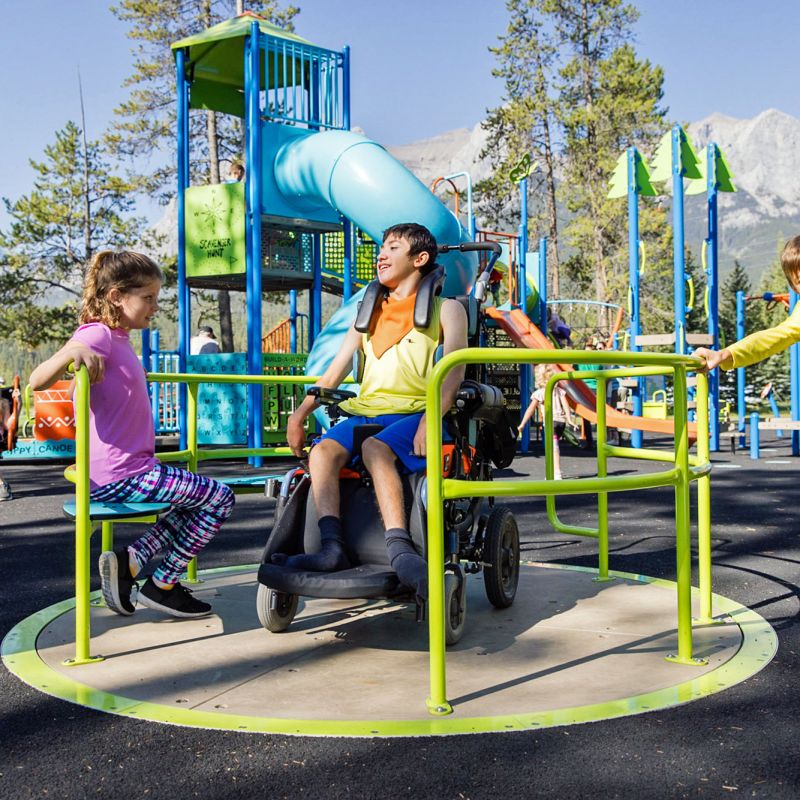
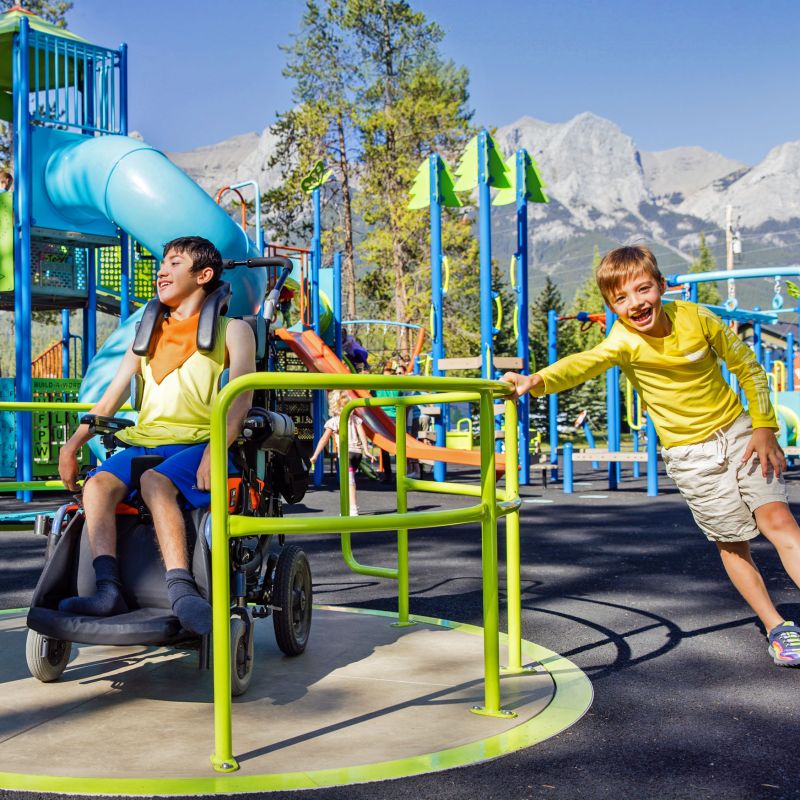
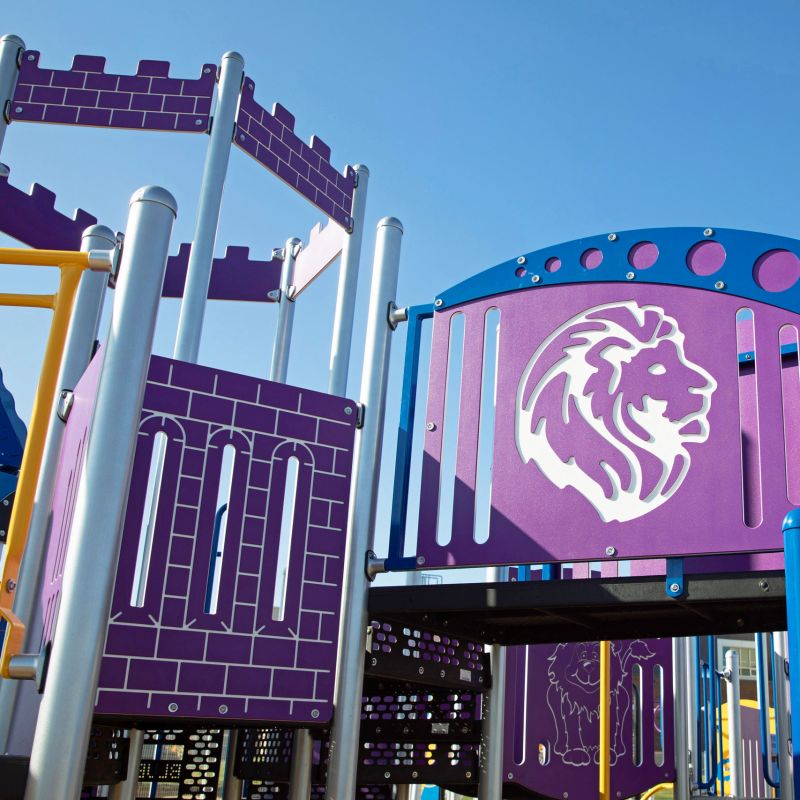
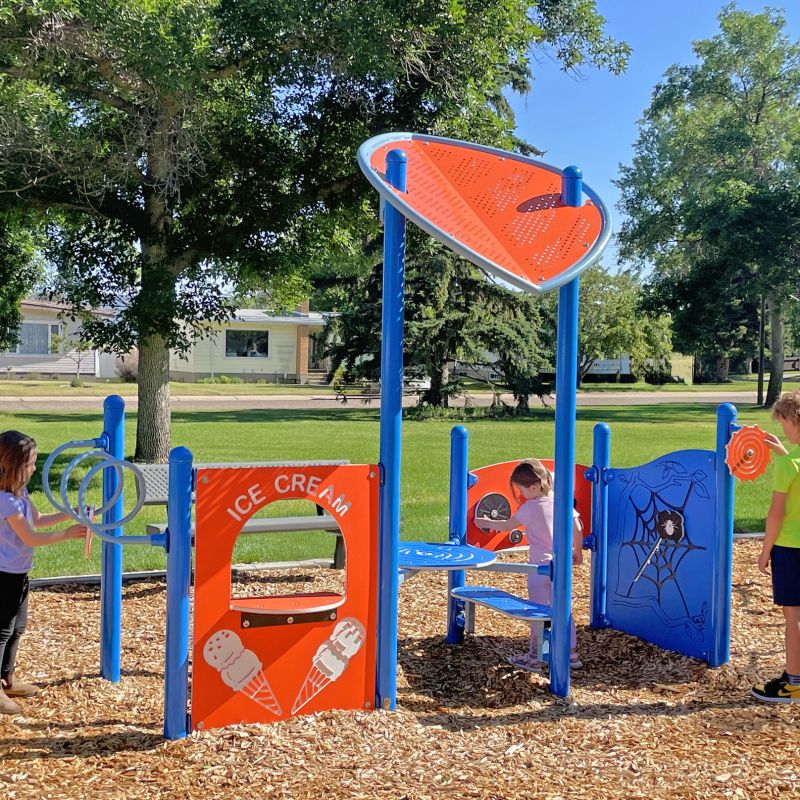
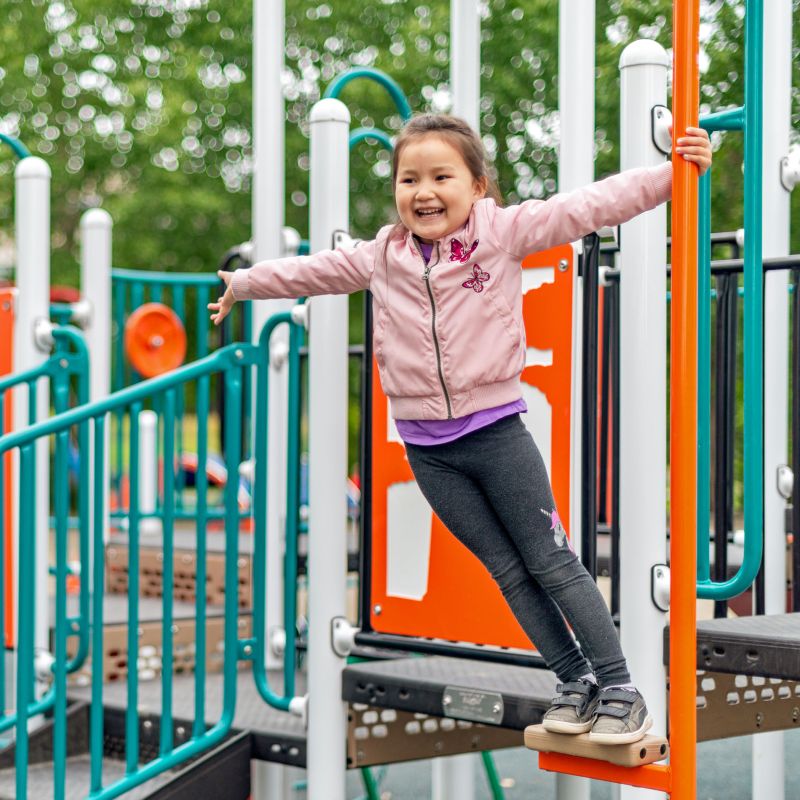
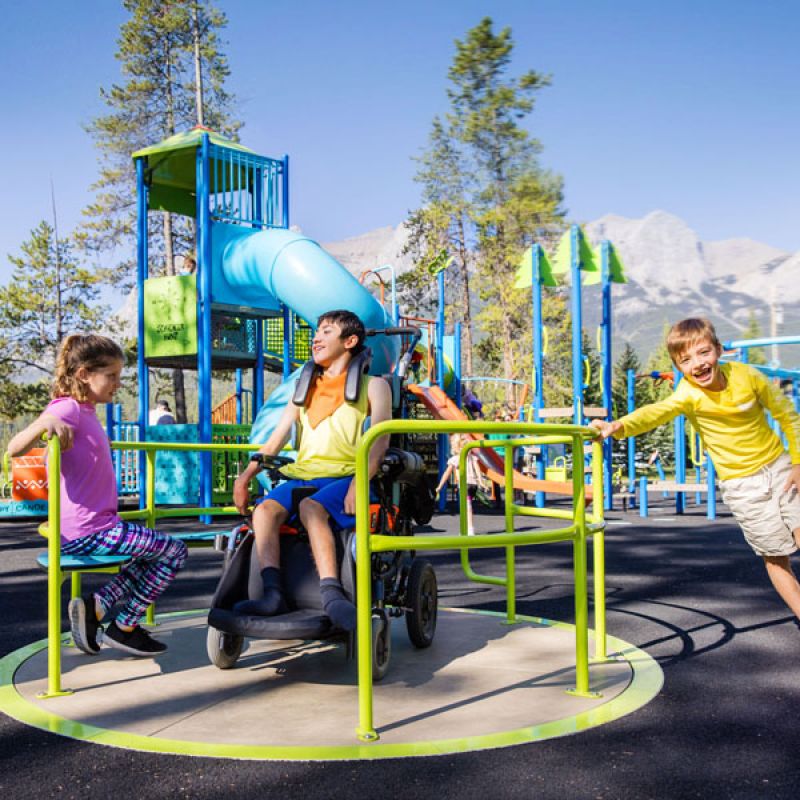
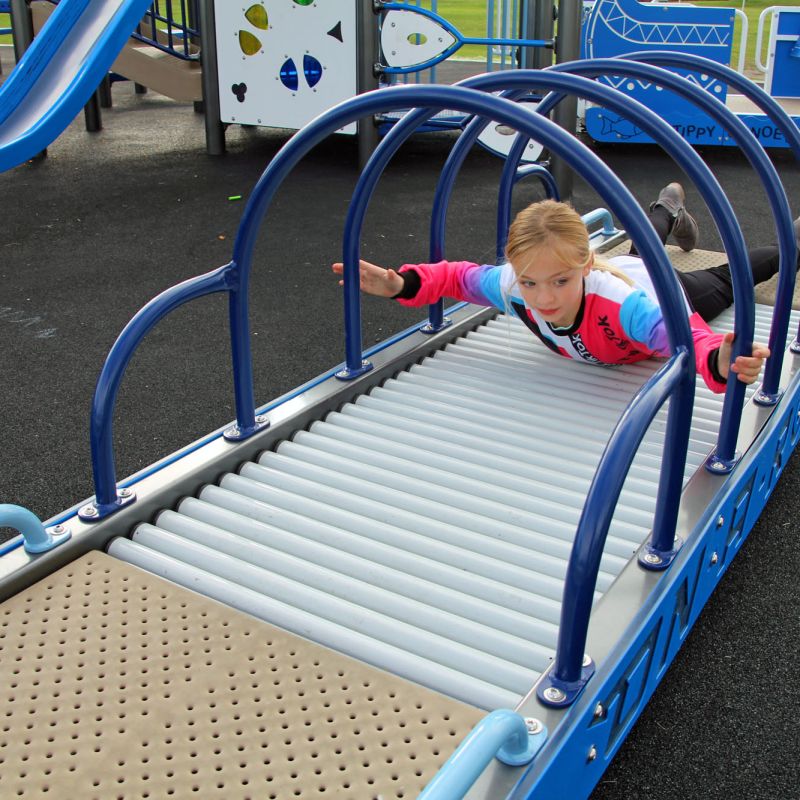
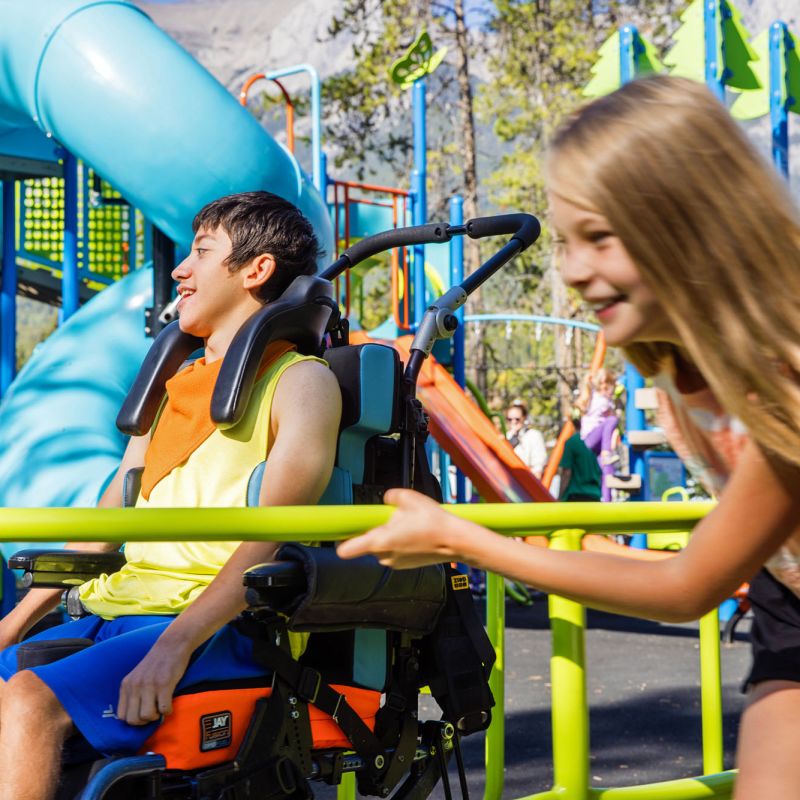
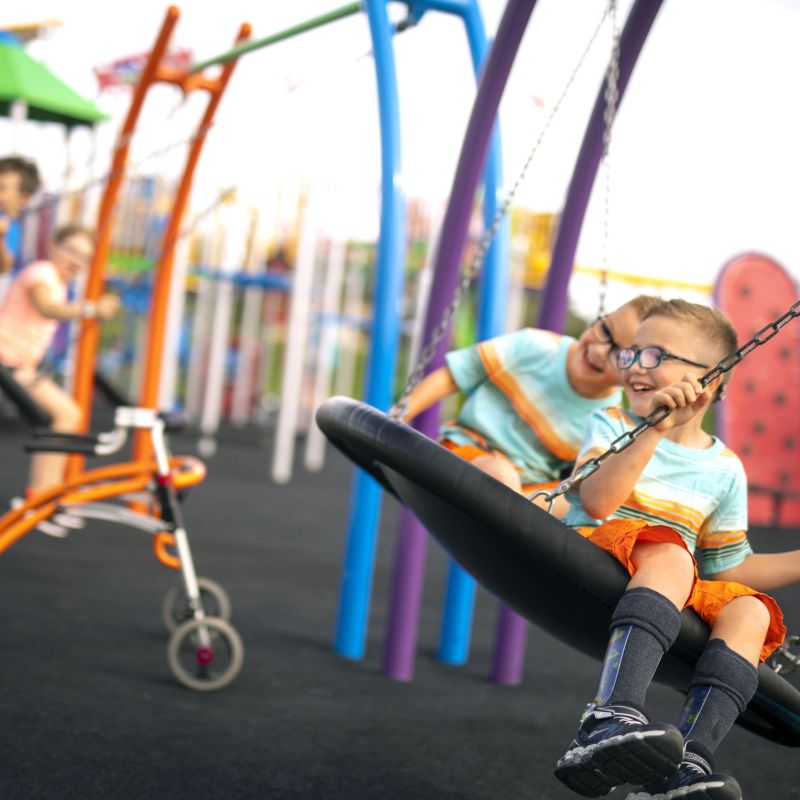
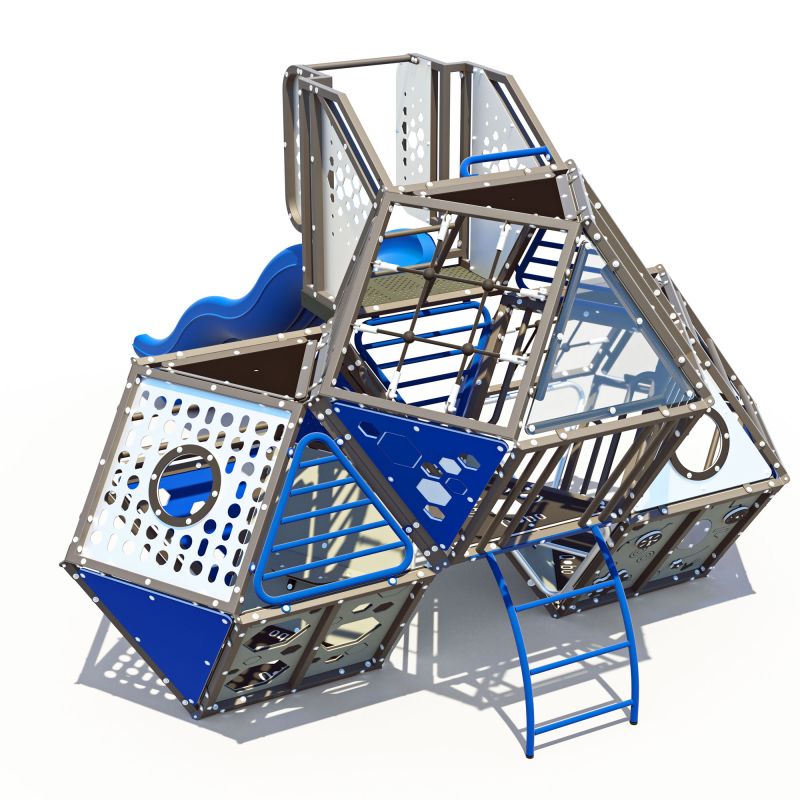
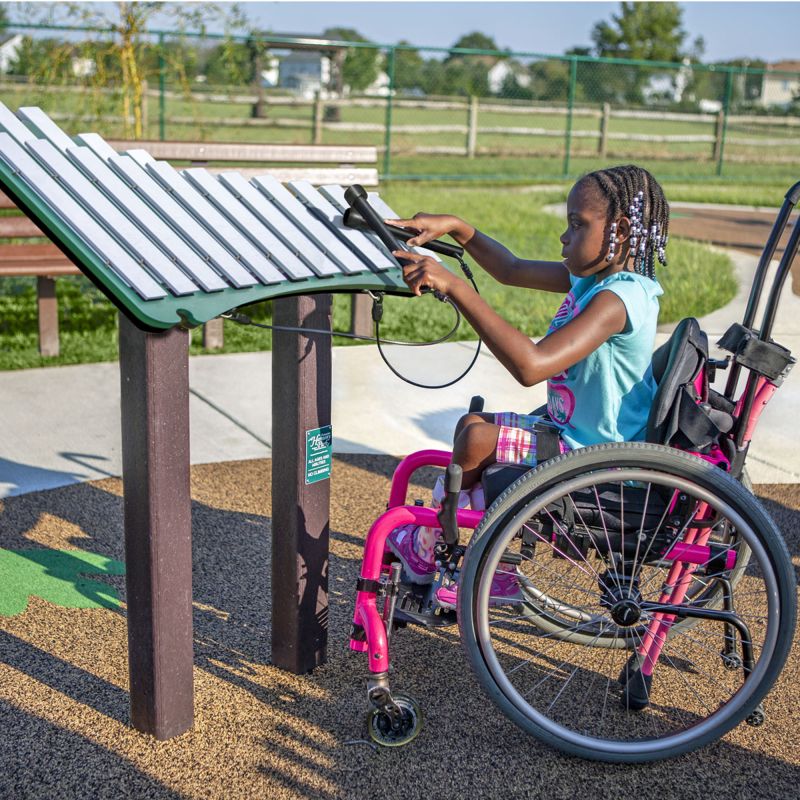
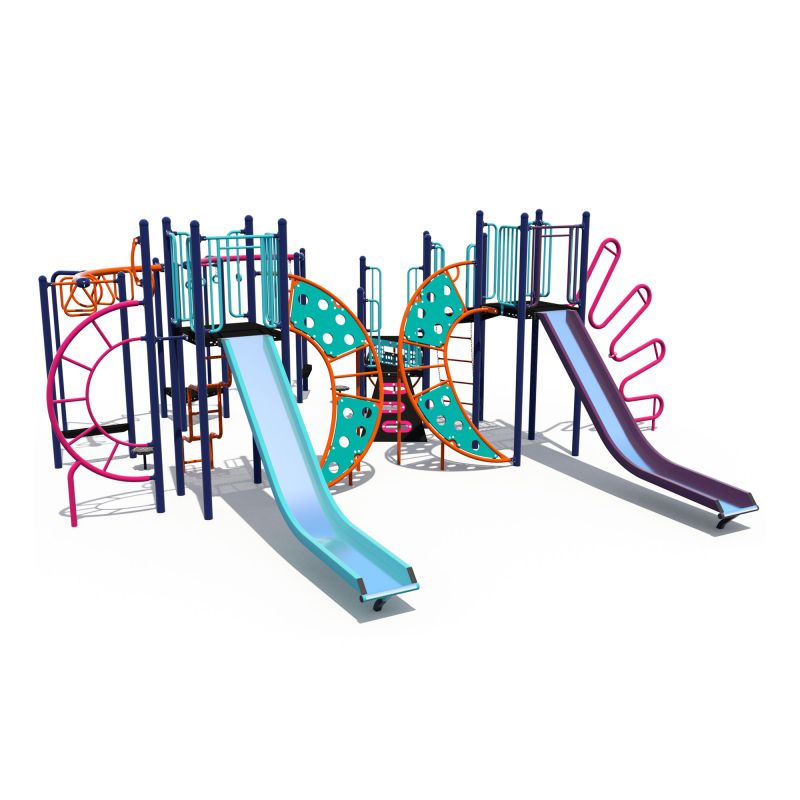
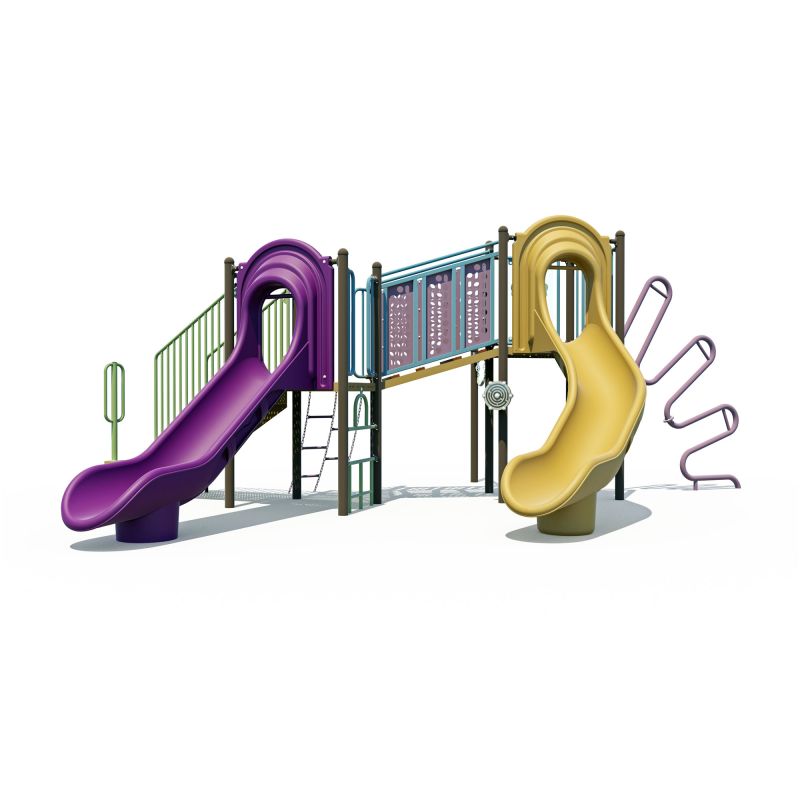
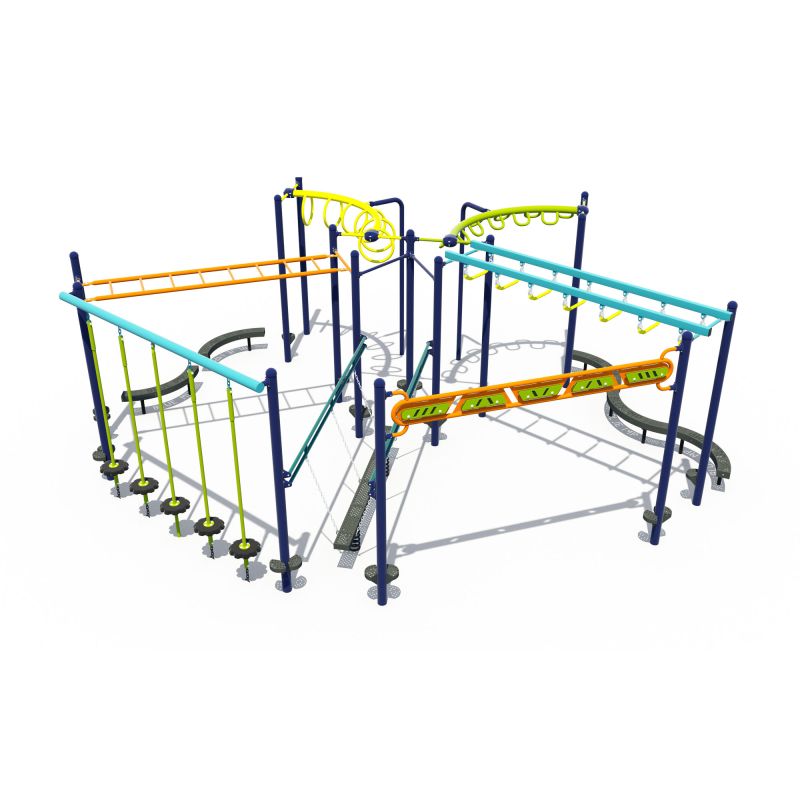
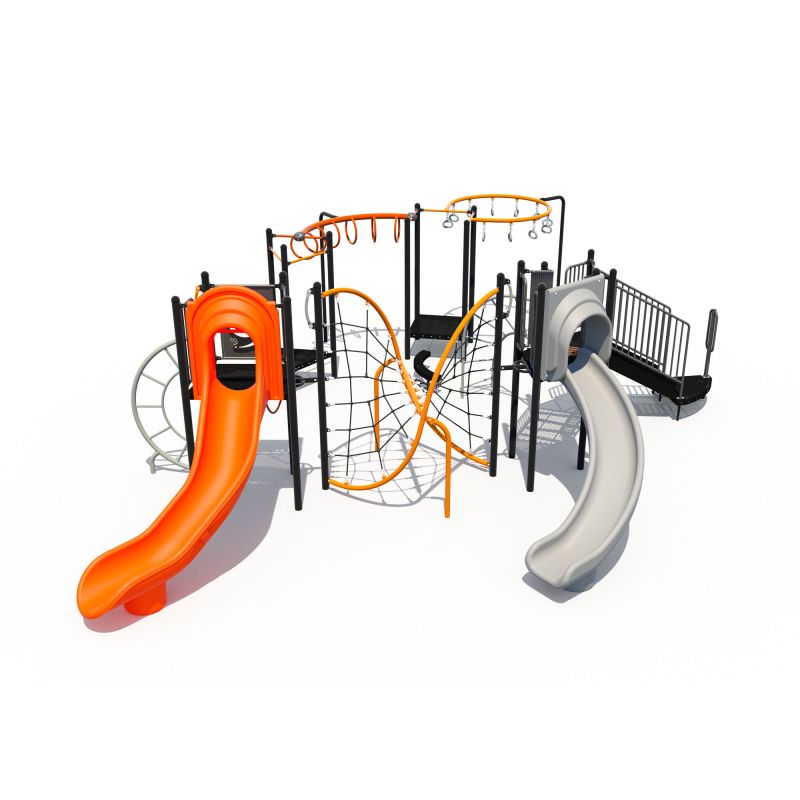
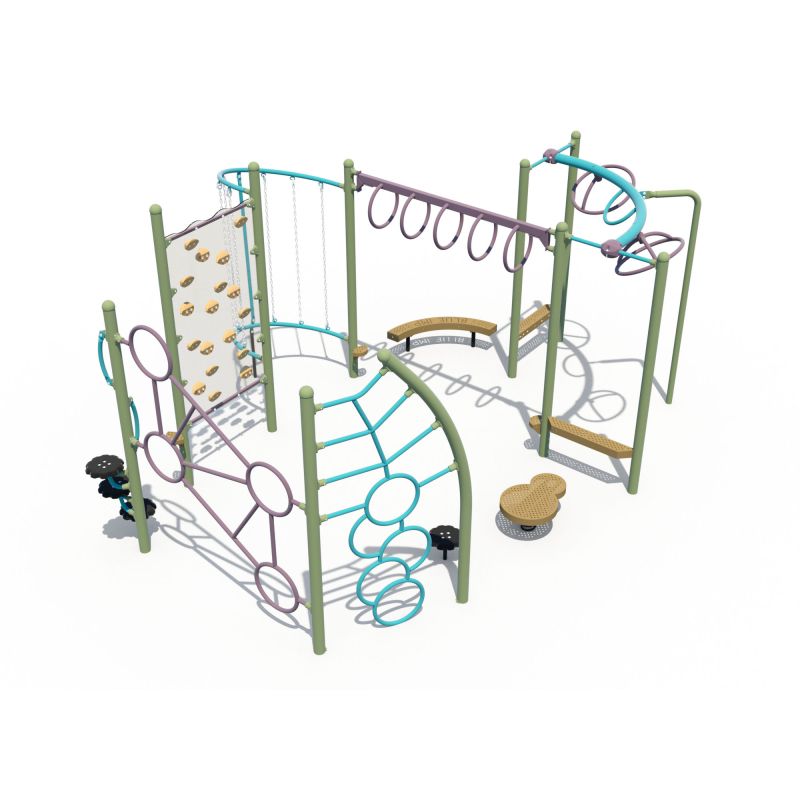
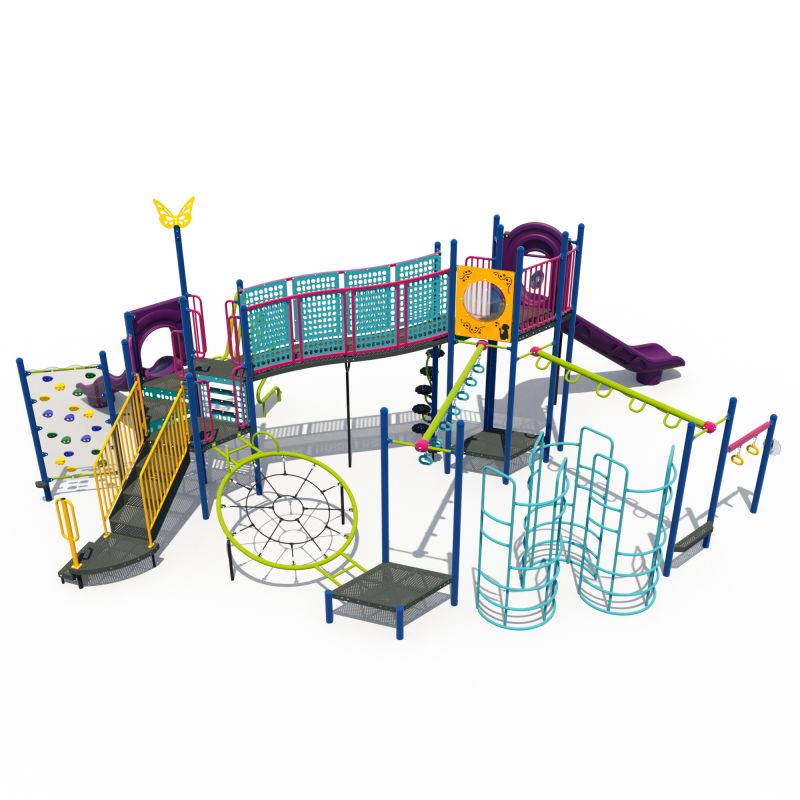
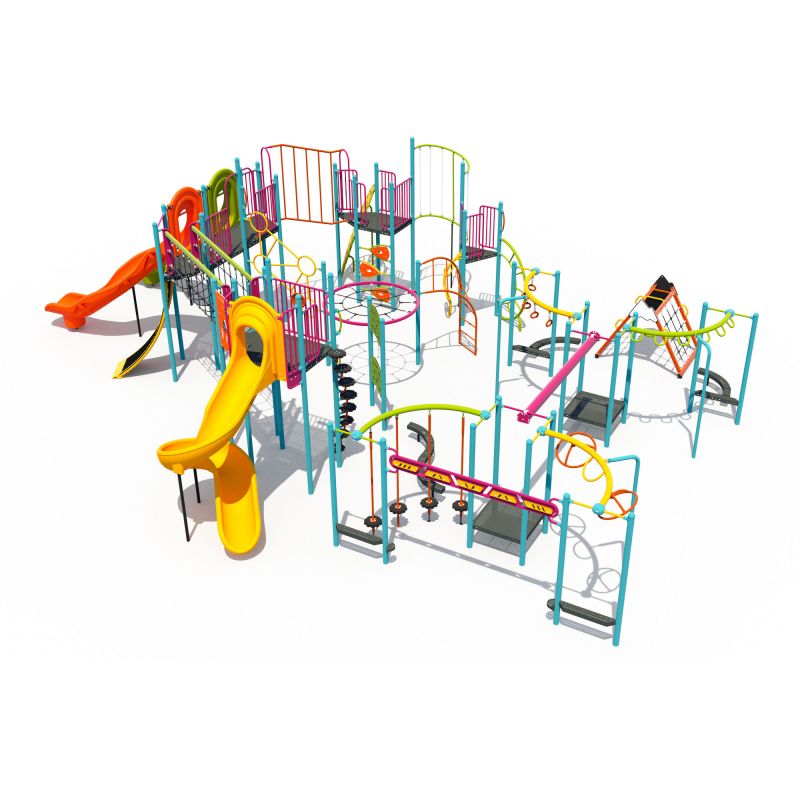
We offer a wide selection of commercial playgrounds, including inclusive designs that welcome children of all abilities. Our modular and customizable systems make it easy to create engaging play environments that encourage social interaction, physical activity and inclusive play.
How Can You Plan and Fund a Commercial Playground Project Effectively?
Successful playground projects start with clear planning: site assessment, equipment selection, budget and funding sources. Early engagement with a manufacturer or designer will streamline each step.
What Are the Steps for Designing and Installing a Commercial Playground?
A typical process includes site assessment, concept design, equipment selection, surfacing specification, professional installation and a maintenance plan. Working with experienced designers and installers helps ensure compliance with safety standards and keeps the project on schedule.
Which Funding Options and Grants Are Available for Playground Projects?
Playground projects can be funded through municipal budgets, government grants, community fundraising and corporate sponsorships. Many communities combine sources to reduce upfront costs, exploring grant programs and local partnerships often uncovers practical funding routes.
Frequently Asked Questions
What are the benefits of installing a commercial playground over a residential one?
Commercial playgrounds are built for heavy use: they offer stronger materials, stricter safety compliance, and lower maintenance frequency over time. That makes them a better long‑term choice for parks, schools and other public spaces where many children will play daily.
What factors should I consider when choosing playground equipment for a school?
Prioritize safety standards compliance (CSA Z614), durability, age‑appropriate design and accessibility. Also weigh installation costs, maintenance needs and the total cost of ownership to ensure the playground serves the school for years.
Are there specific maintenance practices for commercial playgrounds?
Yes. Commercial sites need scheduled inspections, safety surfacing checks, timely repairs, and a maintenance log. Follow manufacturer recommendations and any local inspection requirements to maintain safety and warranty coverage.
What role do community partnerships play in funding playground projects?
Community partnerships can unlock sponsorships, fundraising and grant opportunities. Local businesses, parent groups and nonprofits often provide financial or in‑kind support, and partnerships increase community ownership and long‑term care for the playground.
How can I assess the safety of existing playground equipment?
Conduct a thorough inspection of structure integrity, surfacing, fasteners and moving parts. Look for sharp edges, rust, or worn components, and observe how children use the equipment. If concerns arise, hire a certified inspector or contact the manufacturer for a professional assessment.
What are the environmental considerations when installing playgrounds?
Consider sustainable materials, proper drainage, minimal site disturbance and native landscaping. Use recycled or eco‑friendly surfacing where appropriate, plan for shade and water management, and choose designs that support biodiversity and low maintenance needs.
Conclusion
Knowing the difference between commercial and residential playground equipment helps you match performance, safety and budget to your site’s needs. Whether you’re planning a schoolyard, park or backyard play area, prioritize standards compliance, quality materials and a proven supplier. Explore Blue Imp’s Canadian‑made options to find solutions that balance safety, inclusion and long‑term value.
Ready to Build Your Dream Playground?
Partner with Blue Imp, Canada’s trusted manufacturer of commercial playground equipment. Our experts are ready to help you design, plan, and install a safe, engaging, and durable play space that meets all Canadian safety standards.
