




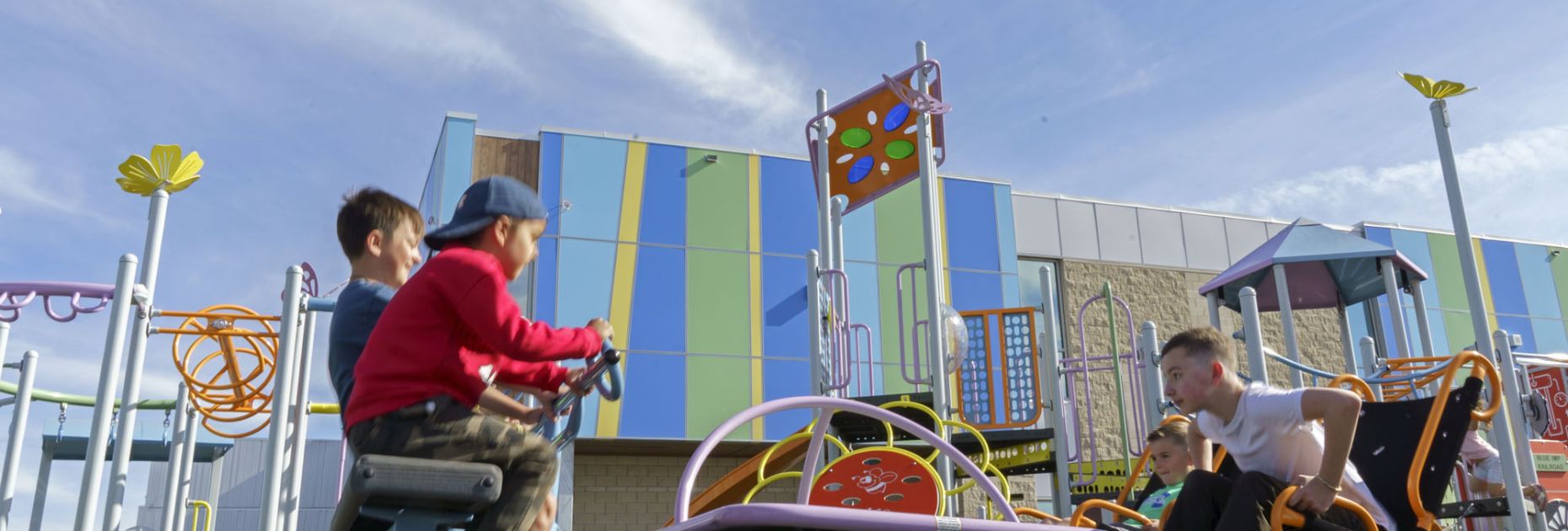
Physical literacy is a central part of child development: the skills, knowledge and attitudes children need to take part in physical activity. It combines physical ability with the confidence and motivation to join games and exercise. This article explains the concept, why it matters for health and wellbeing, and how thoughtful playground design can strengthen these skills so parents, educators and planners can create spaces that encourage active play and healthy development.
We define physical literacy, outline the motor skills it builds, summarise benefits for children’s health, and examine playground design principles that enhance these skills. The article highlights key playground features, explains why inclusive equipment matters, and offers practical steps for implementing physical-literacy-focused playgrounds in schools and communities.
What Is Physical Literacy and Why Is It Essential for Child Development?
Physical literacy means moving with competence and confidence across many activities. It underpins lifelong participation in physical activity and supports physical, social and emotional growth.
It goes beyond physical ability to include cognitive and social aspects. Physically literate children often show higher self‑esteem, better social skills and a greater likelihood of staying active into adulthood, which is why environments that support physical literacy matter.
Which Motor Skills Are Developed Through Physical Literacy?
Physical literacy develops various motor skills, including:
- Locomotor Skills: running, jumping and climbing for navigating environments.
- Manipulative Skills: throwing, catching and kicking for games and sports.
- Stability Skills: balance and coordination for safer, more efficient movement.
Children build these skills through regular, varied play; repetition and progressive challenges boost confidence and encourage trying new activities.
How Does Physical Literacy Benefit Children’s Health and Well-being?
Physical literacy brings clear benefits for children’s health and wellbeing. Regular activity can:
- Enhance Physical Health: lower obesity risk, improve cardiovascular fitness and build strength.
- Support Mental Health: improve mood and reduce anxiety.
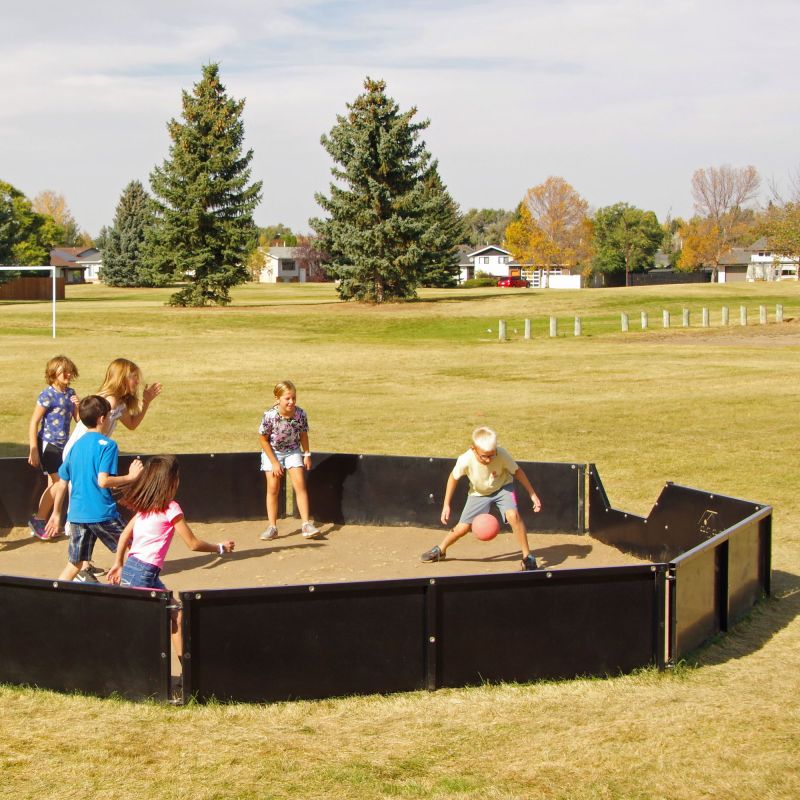
- Foster Social Connections: build friendships and social skills through group play.
Developing physical literacy supports a healthier, more active generation.
How Do Playground Design Principles Enhance Physical Literacy?
Playground design directly affects physical literacy. Well‑designed spaces encourage active play and let children practice motor skills in a secure, engaging setting. Key principles include:
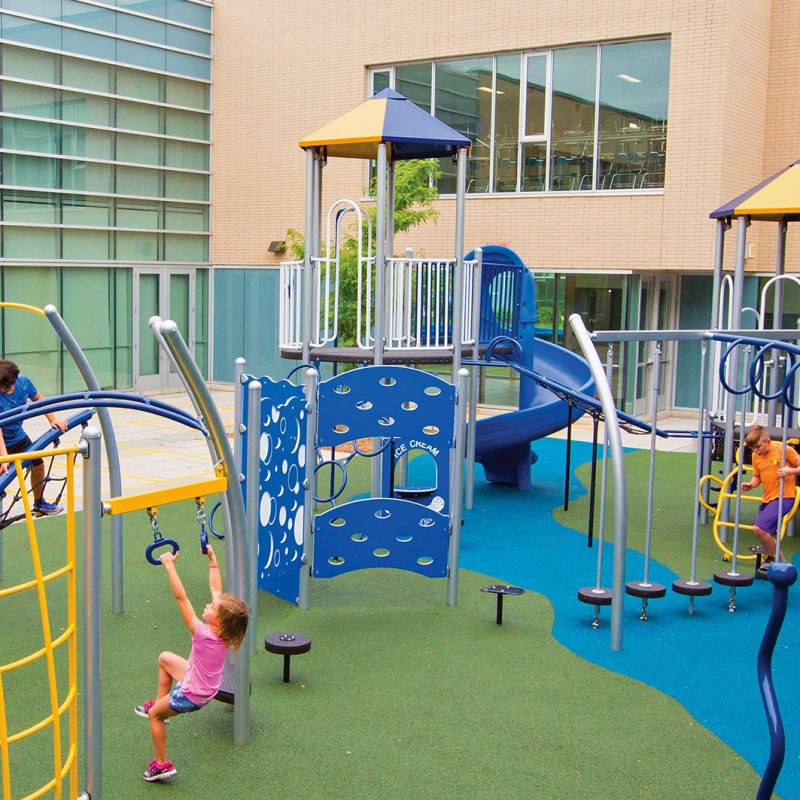
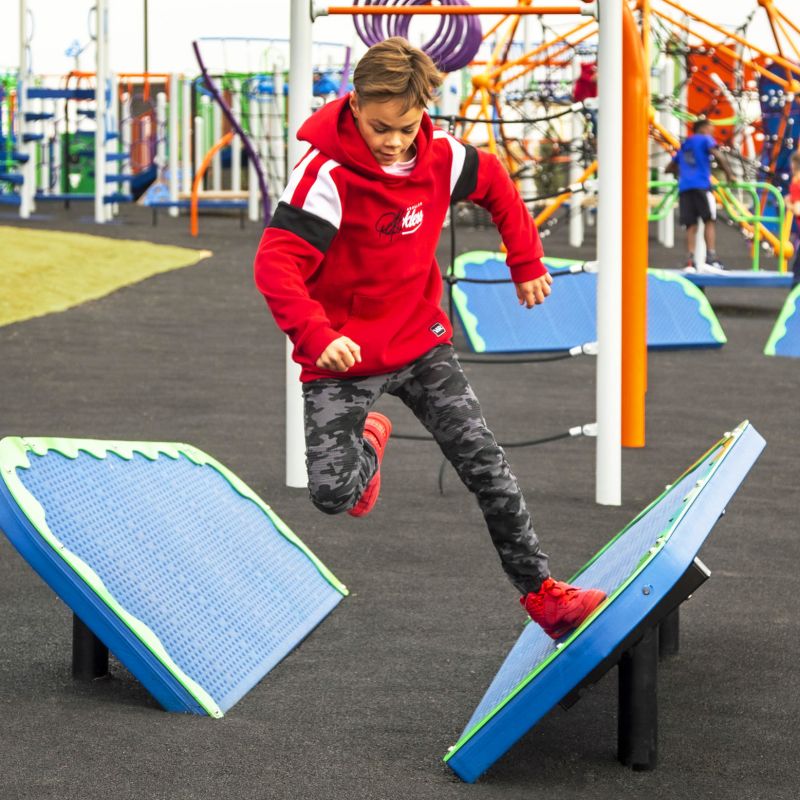
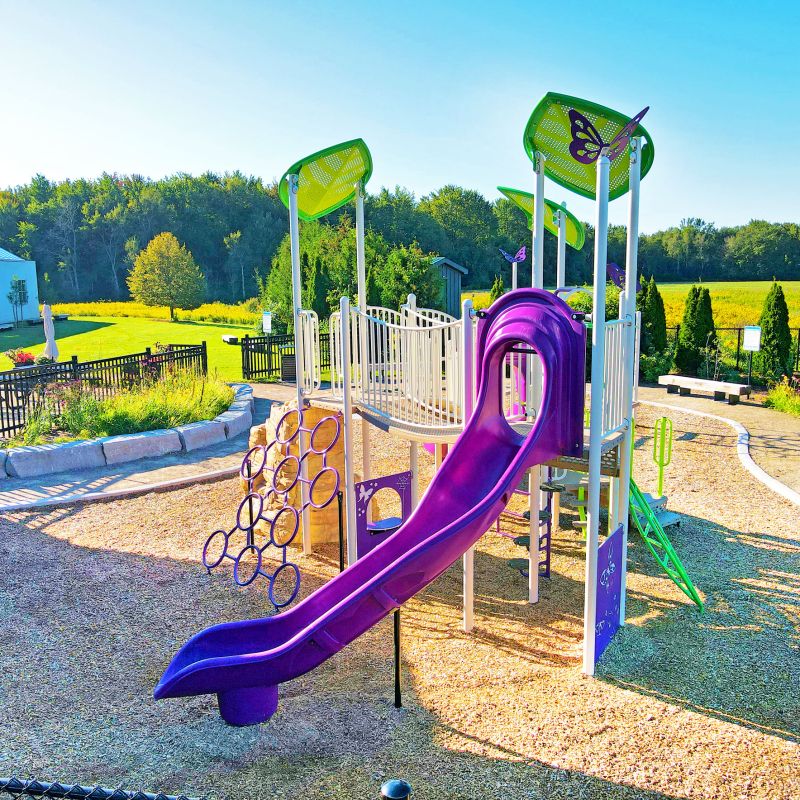
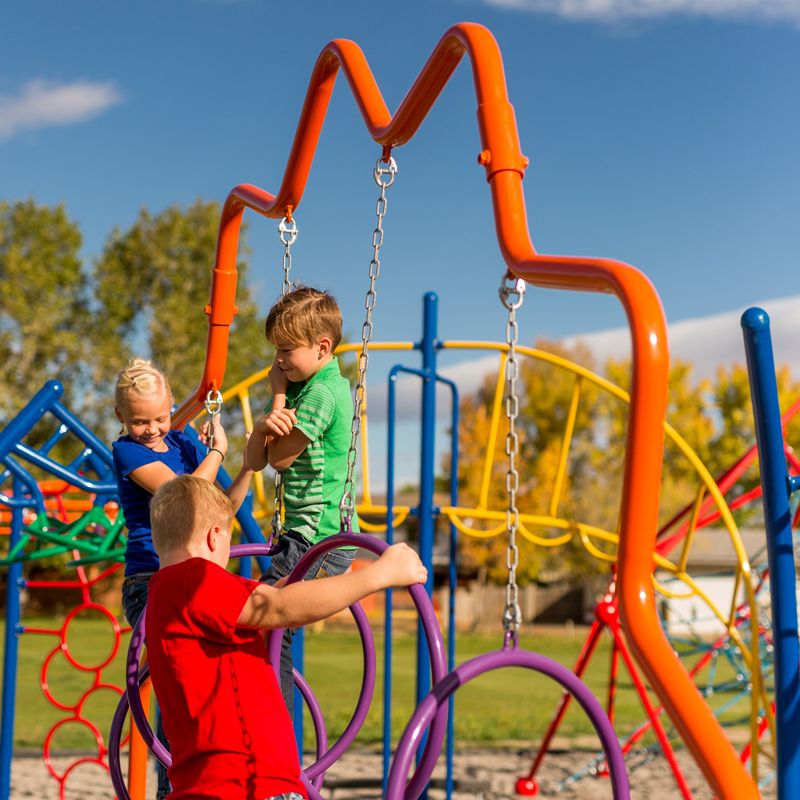
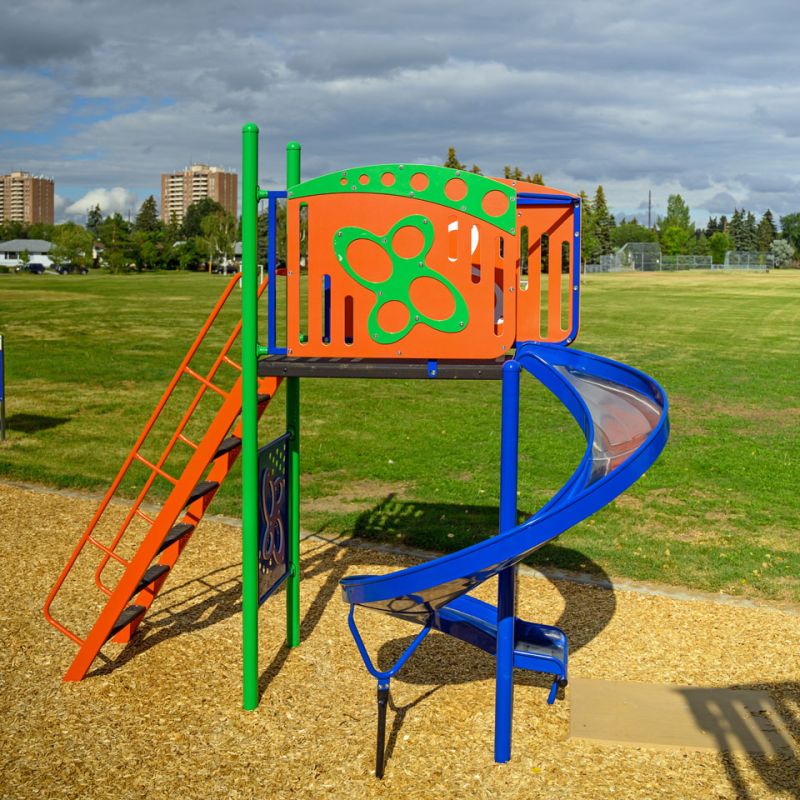
- Variety of Equipment: diverse structures (climbers, slides, swings) let children practice different skills.
- Challenging Features: graded difficulty encourages risk-taking within safe limits and builds confidence.
- Safe Surfaces: impact-absorbing surfacing reduces injury risk and supports freer exploration.
Applying these principles helps playgrounds support motor-skill development and safe, confident exploration.
What Are the Key Features of Playgrounds That Support Motor Skills Development?
Effective playgrounds include features that target motor skills:
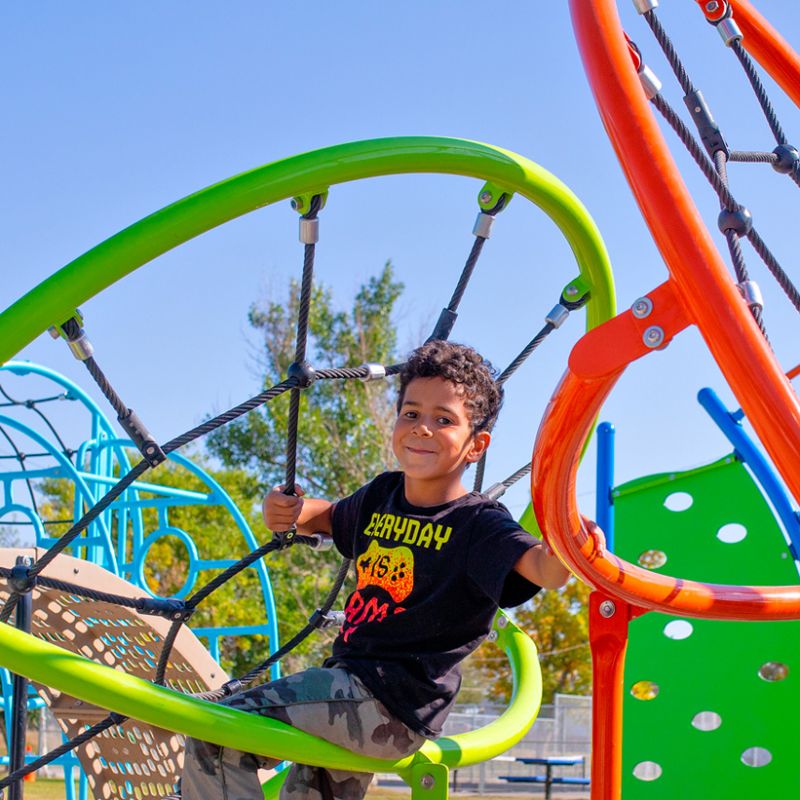
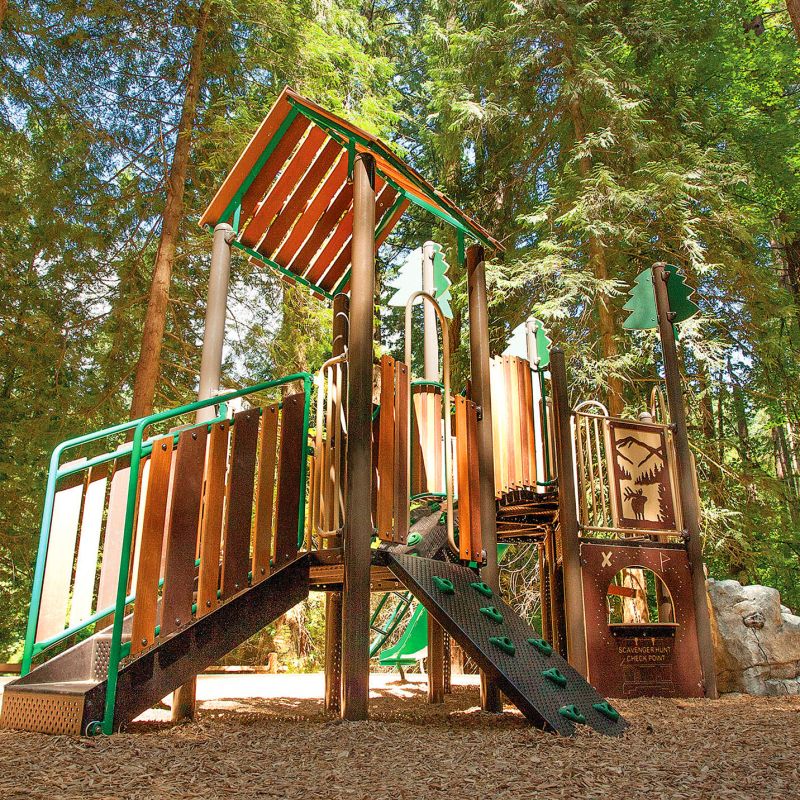
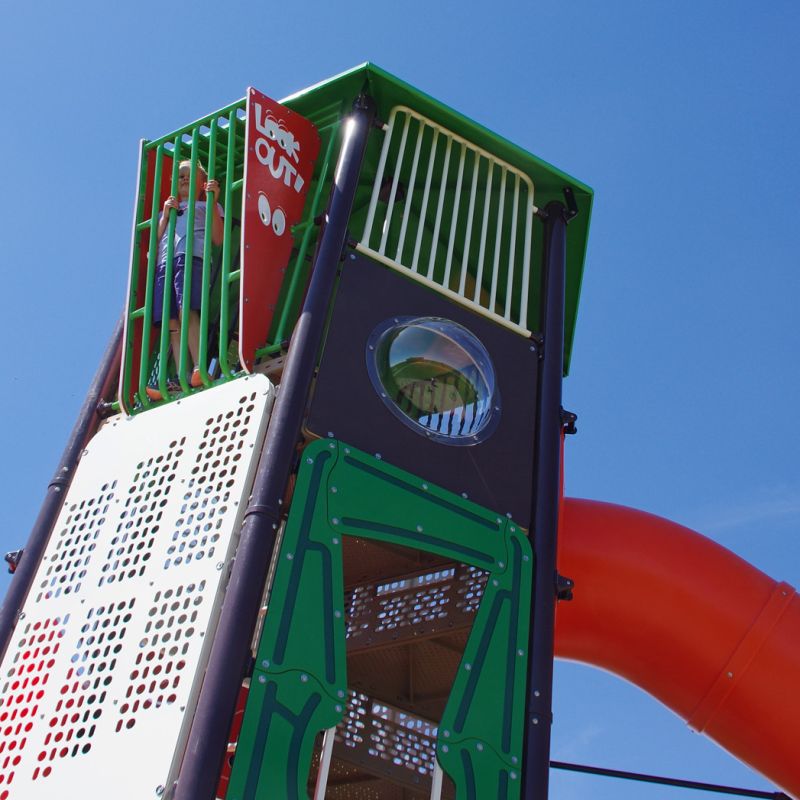
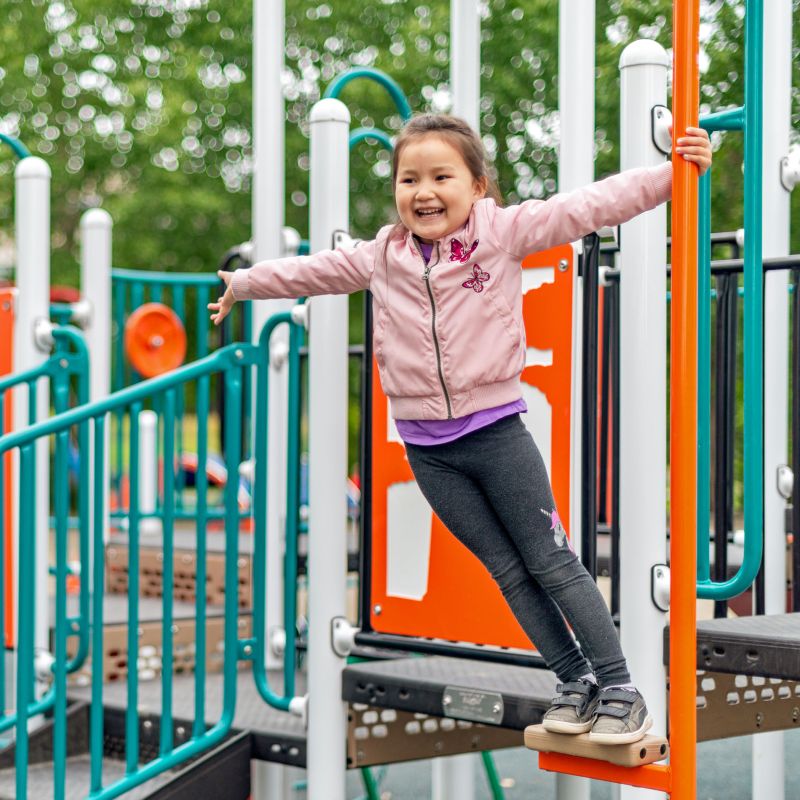
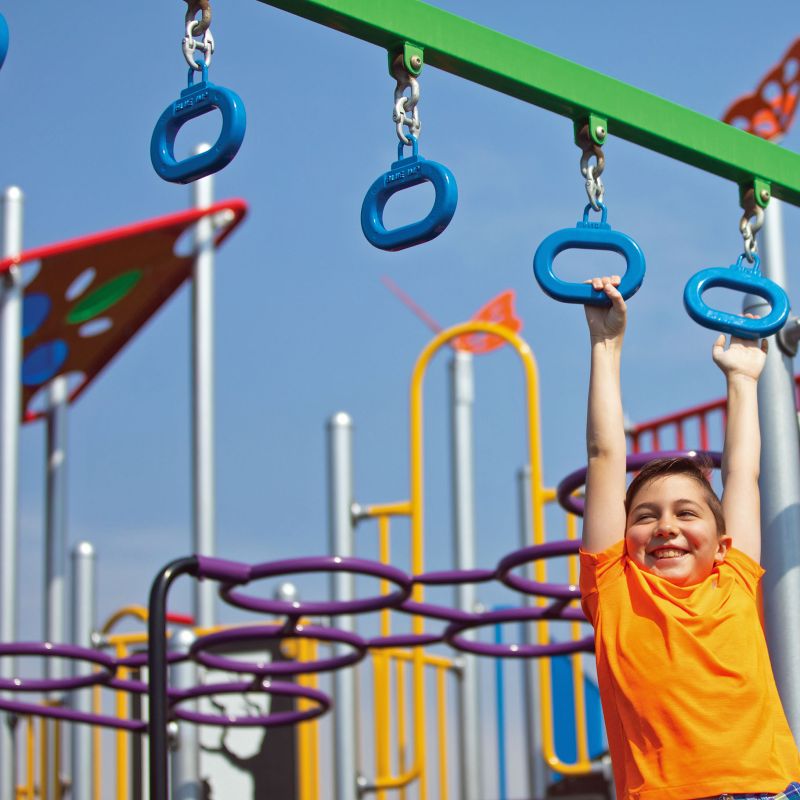
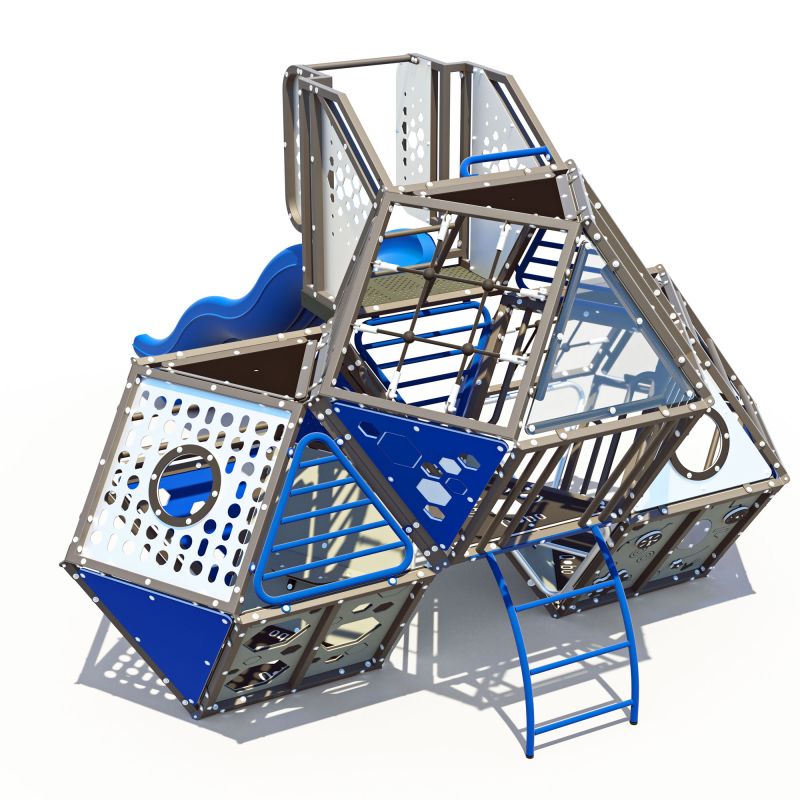
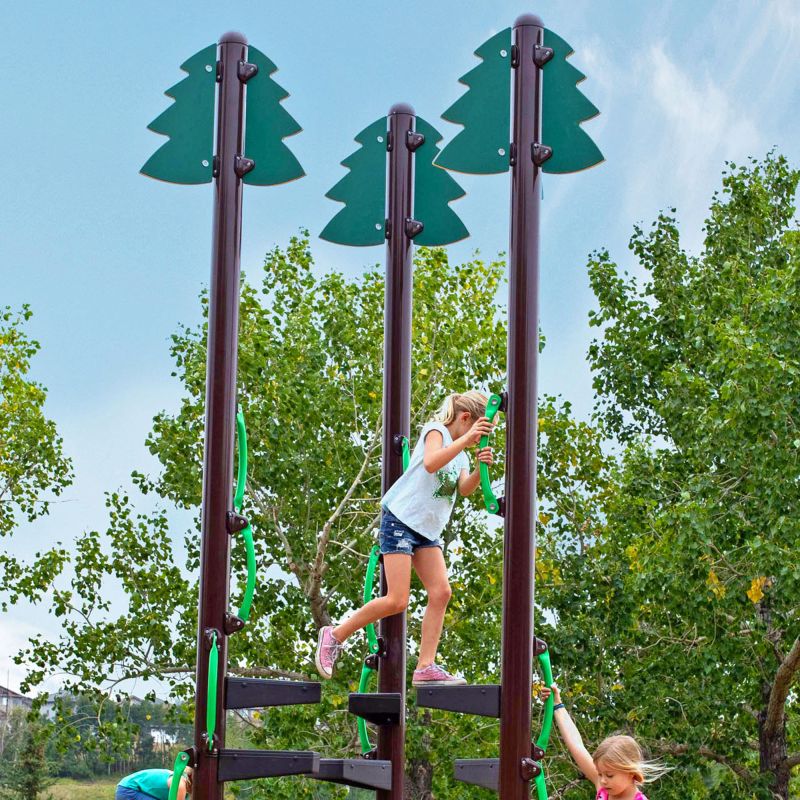
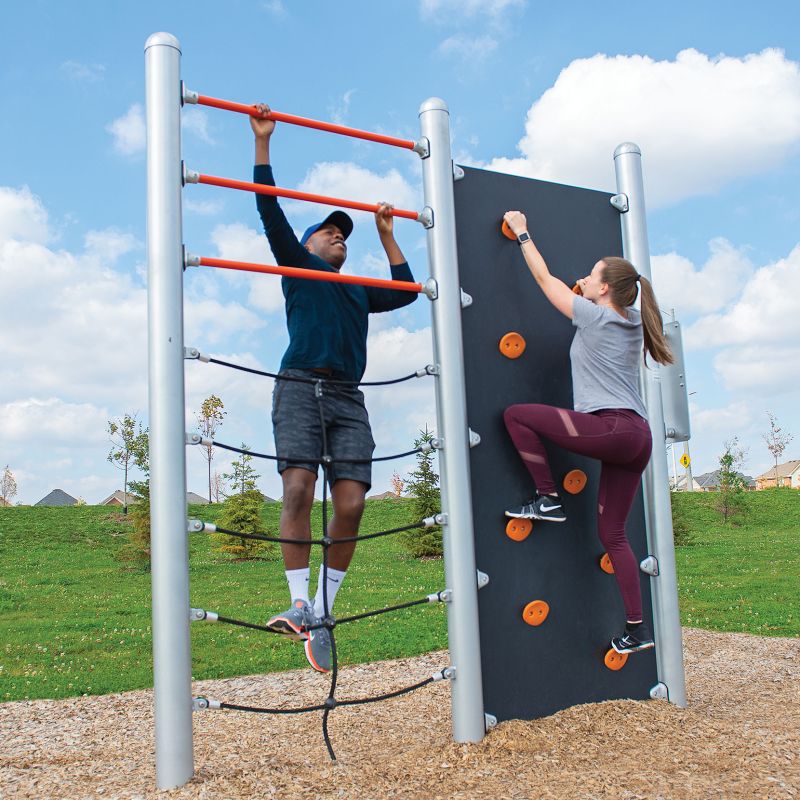
- Climbing Structures: promote strength, coordination and balance across varied heights and angles.
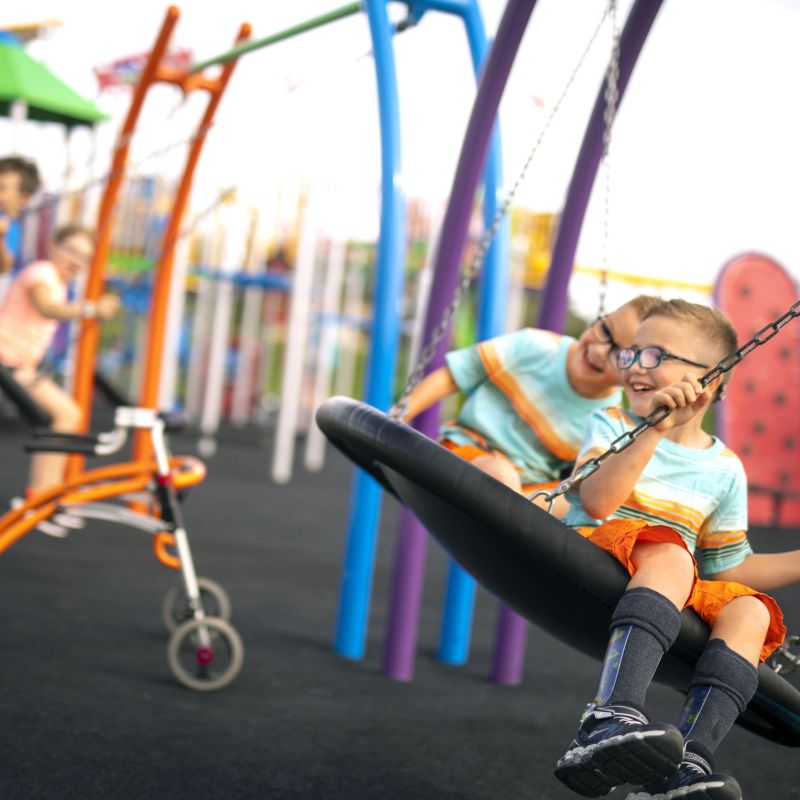
- Swing Sets: develop core strength and timing, aiding coordination.
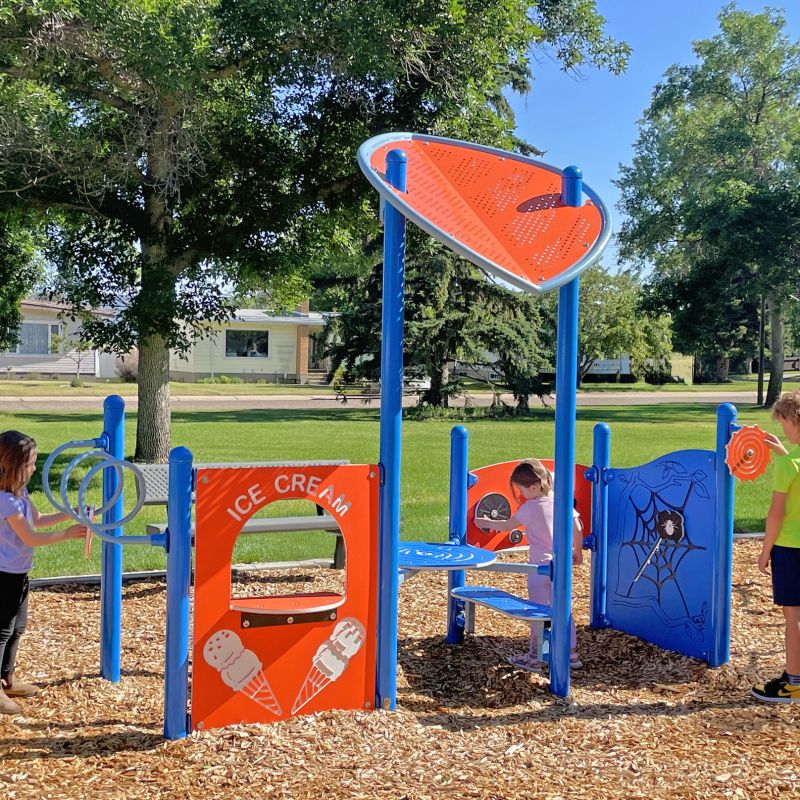
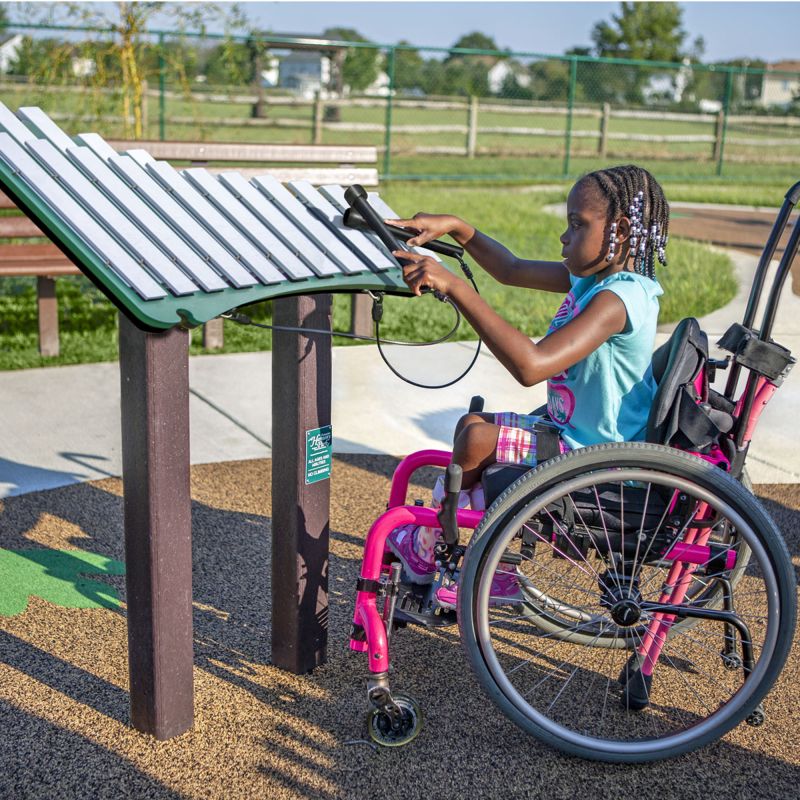
- Interactive Panels: sensory and problem-solving elements support fine motor skills and engagement.
These features encourage imaginative play and peer interaction while advancing physical development.
How Does Outdoor Play Contribute to Physical and Social Development?
Outdoor play is vital for unstructured activity that builds creativity, problem-solving and curiosity. Children tend to be more vigorous outdoors, which improves fitness. Playing with peers outside also develops cooperation, negotiation and conflict‑resolution skills.
What Role Does Inclusive Playground Equipment Play in Supporting Physical Literacy?
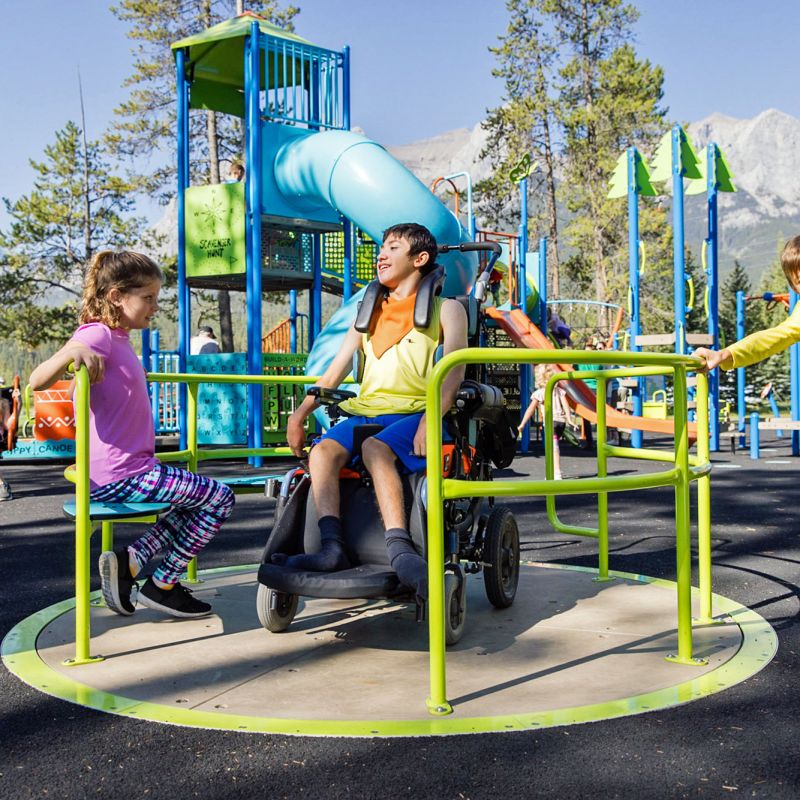
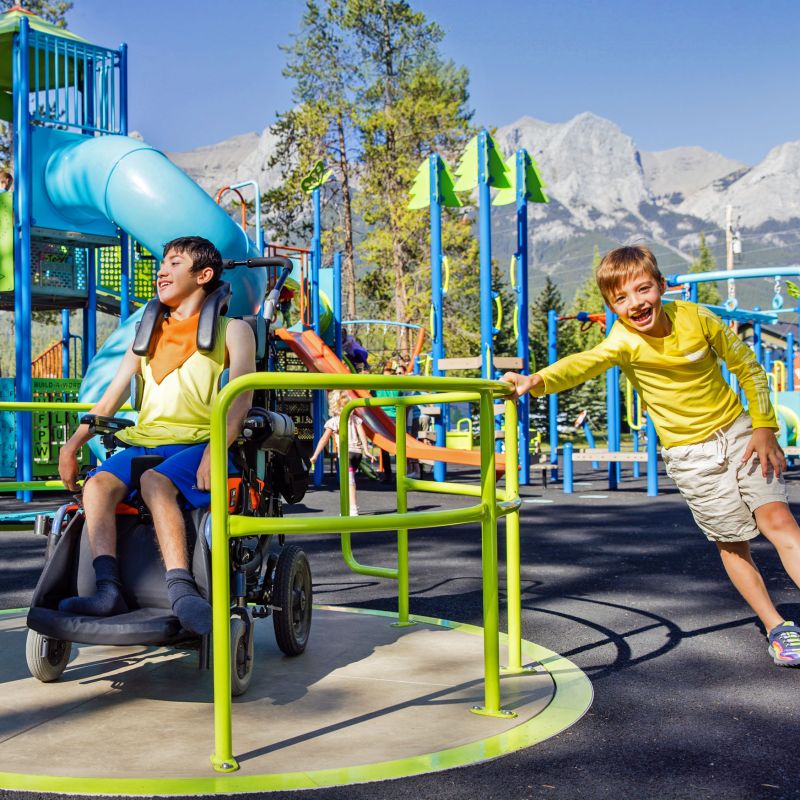
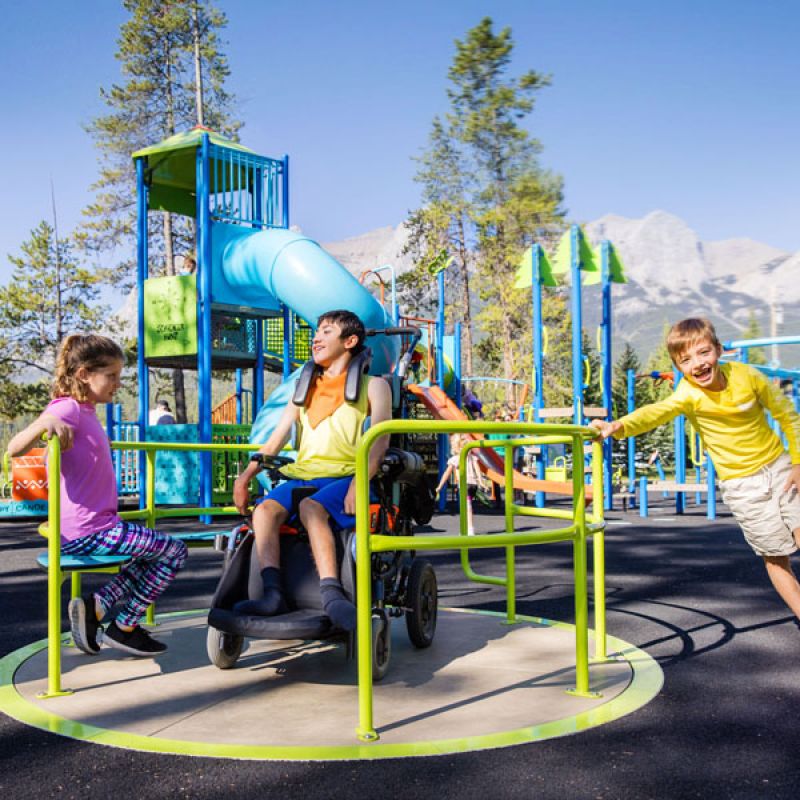
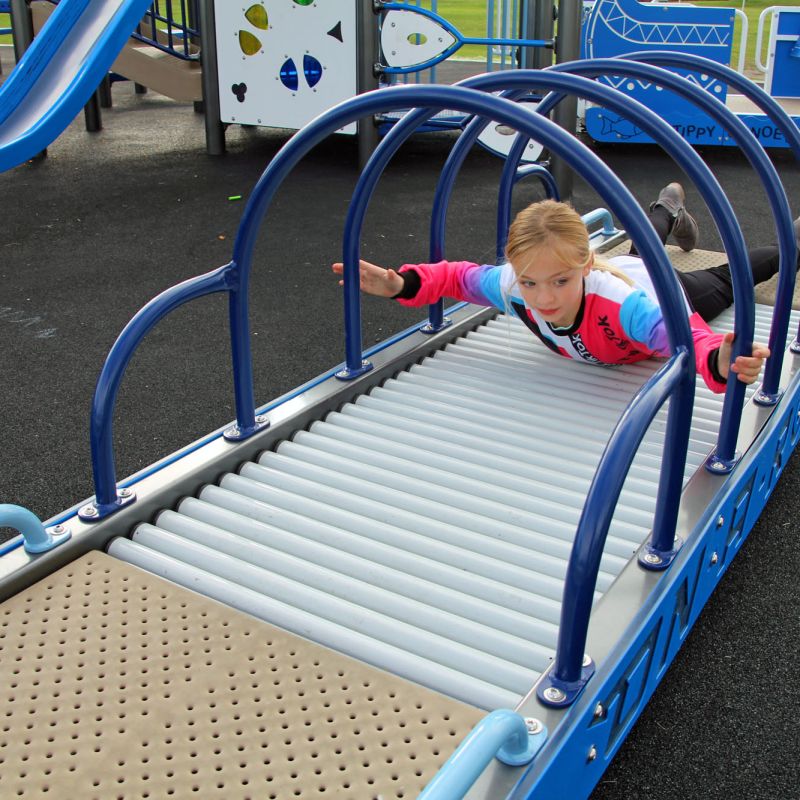
Inclusive equipment lets children of different abilities play together, examples include adaptive swings, sensory panels and accessible climbing options, expanding opportunities to practise movement skills.
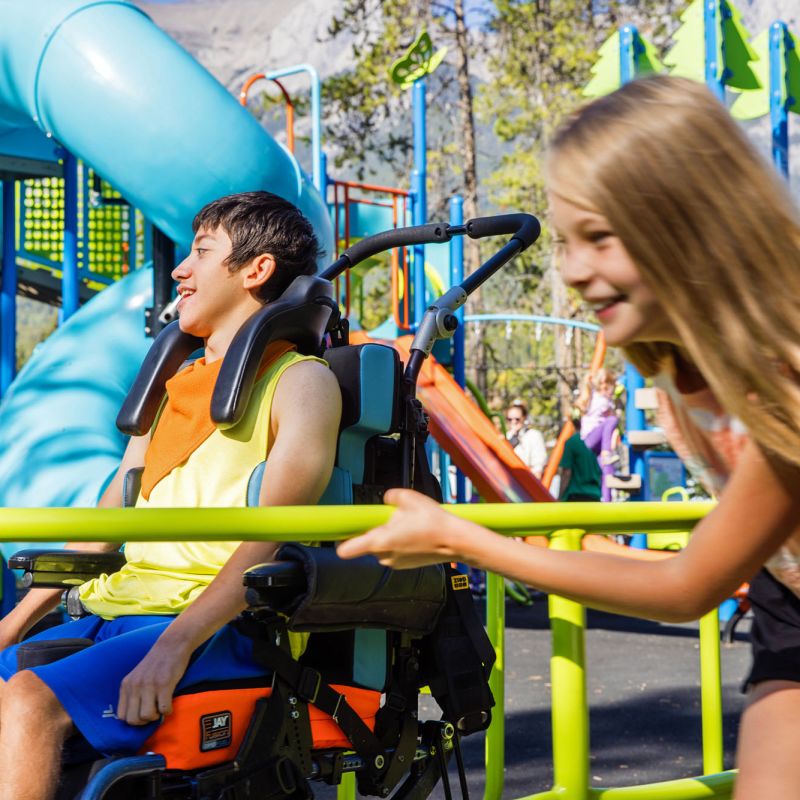
Inclusive playgrounds promote social inclusion: children who play together across abilities learn respect and empathy. Designing truly inclusive play spaces is complex and requires ongoing effort to meet diverse needs.
How Are Playgrounds Designed to Accommodate Children of All Abilities?
Designing inclusive playgrounds relies on proven strategies:
- Universal Design Principles: ramps, wide pathways and adaptive equipment make play accessible to more children.
- Community Involvement: engaging families and users during design identifies specific needs and improves outcomes.
- Safety Considerations: age-appropriate, standards-compliant equipment ensures a safe environment for all.
Prioritising inclusivity helps communities create playgrounds that support physical literacy for every child.
Why Is Accessibility Critical for Promoting Active Play and Inclusion?
Accessibility enables children of all abilities to play together, supporting physical literacy and strengthening community ties. Removing barriers helps children with disabilities join play, fostering belonging and more inclusive communities.
What Are Best Practices for Planning and Installing Physical Literacy-Focused Playgrounds?
Best practices include:
- Conducting Site Assessments: evaluate safety, accessibility and suitability for intended activities.
- Incorporating Diverse Play Options: provide equipment that supports multiple motor skills and imaginative play.
- Regular Maintenance: establish a plan to keep equipment safe and functional.
Following these practices ensures playgrounds remain safe, durable and effective at supporting children’s development.
Frequently Asked Questions
What age group benefits most from physical literacy development?
Physical literacy benefits all ages, but early childhood (roughly ages 2 to 8) is a critical window for forming foundational motor skills and social habits. Continued promotion through later childhood and adolescence supports ongoing development.
How can parents encourage physical literacy at home?
Parents can create regular opportunities for active play: simple obstacle courses, catch, family bike rides or hikes. Model activity, join in play, and offer varied equipment like balls and jump ropes. Positive encouragement builds confidence and motivation.
What role do schools play in promoting physical literacy?
Schools contribute through physical education, access to quality playgrounds and structured lessons that build motor skills and teamwork. Events like sports days and collaboration with parents and community groups improve inclusivity and impact.
How does physical literacy impact academic performance?
Physical activity supports concentration, memory and classroom behaviour. Active children often show improved cognitive function and the social skills gained through play enhance teamwork and communication in school.
What are some common barriers to physical literacy in communities?
Barriers include limited access to safe, inclusive play areas, tight recreation funding and low awareness of activity benefits. Urban areas may lack green space and socioeconomic factors can limit access; addressing these requires targeted investment and engagement.
What are the long-term benefits of developing physical literacy in children?
Long-term benefits include better physical health, stronger mental wellbeing and improved social skills. Physically literate children are more likely to stay active into adulthood, reducing chronic disease risk; confidence and social competence from play also support resilience and relationships.
Get Involved in Creating Active Play Spaces
Join the movement to promote physical literacy in your community by supporting or initiating playground projects that prioritize inclusive, skill-building play environments. Together, we can help every child develop the confidence and abilities for a healthy, active life.
