





If you’re hoping to open a new playground in late spring or summer, the calendar matters as much as the equipment. Many first-time buyers assume they can start planning in April, place an order in May, and have children playing by June or July. In much of Canada, that approach creates unnecessary risk.
The harder truth is simple. Playground installation timelines should always be planned backward from the date the site must open, and in Canada that means working around frozen ground, busy crews, weather-sensitive surfacing, and procurement steps that take longer than expected. The projects that feel smooth usually start in fall or winter. The projects that feel rushed usually start in spring.
The “Early Bird” Advantage in Canadian Playground Projects
Canadian playground work runs on a short outdoor construction season. You can manufacture equipment year-round, but installation depends on workable ground conditions, site access, and weather that allows excavation, anchoring, grading, and surfacing to happen properly. That is why the best ordering date is usually earlier than most clients expect.
Why spring is often too late
By the time many school boards, municipalities, and parent councils begin serious discussions in spring, several clock starts are already running. Budget approval still has to happen. Site details still need to be confirmed. Product selection still needs to be finalised. Then the order enters manufacturing and shipping, followed by installation and finishing.
Industry guidance shows that the full process can run from about 2 to 8 weeks in simple cases and 6 to 14+ weeks for larger or custom builds, and permits may add another 4 weeks, which is why ordering months before a school break or summer install window is critical.
That timing catches buyers off guard because the visible part of the job is short. The hidden part is what consumes the season.
Practical rule: If your target opening is summer, your planning should already be moving in winter of the previous year.
Queue position matters
Most playground equipment is built to order, not pulled off a shelf like standard warehouse stock. Orders are manufactured in the order they are received, so early approvals usually create more scheduling options. Late approvals narrow them.
That applies to installation crews as well. Once the ground is workable, everybody wants the same months. Crews, freight slots, site contractors, and surfacing teams get booked quickly. If you wait until the thaw to begin planning, you’re competing with every other project that also wants a summer opening.
A better approach is to use fall and winter for the pieces that don’t require open ground:
- Budget work with internal approvals, fundraising, or grant planning
- Concept selection for school play, municipal parks, inclusive layouts, or outdoor fitness additions
- Procurement documents so purchasing can move quickly
- Site review for drainage, access, and surfacing decisions
What works and what doesn’t
What works is boring in the best way. The committee decides early. The design is locked before the spring rush. The order is released when the site conditions and approvals are clear. Installation is then scheduled into a realistic weather window.
What doesn’t work is treating the start of school break as the start of the project. In Canada, that’s often the moment when the project should already be well underway.
Deconstructing the Playground Project Timeline
If the goal is to open before a Canadian winter shuts the site down, the schedule has to be built backward from that installation window. That is the piece clients cannot move. Manufacturing, freight, approvals, and field work all have to fit inside it.
A playground project moves through four practical phases. Delays usually start when a team treats equipment ordering as the beginning of the project, instead of one milestone inside a longer chain.
Phase One: Planning and Funding
This phase starts earlier than many first-time buyers expect. Before anyone books an installer, the group still has to settle scope, budget, site constraints, and decision-making authority.
For a school, that can mean fundraising and board approvals. For a municipality, it often means aligning the project up with capital budgets, procurement rules, and park priorities. For a private development, it may involve site fit, circulation, accessibility, and coordination with other trades.
The best way to keep this phase from drifting is to define the target opening date first, then test every earlier task against it.
Typical work in this stage includes:
- Choosing the project type such as a swing set, a pre-configured school play structure, an inclusive play area, or a larger park with added amenities
- Confirming the site conditions including footprint, grades, drainage, setbacks, and access for equipment and crews
- Matching scope to space so the concept fits the site before design work goes too far. A guide to choosing the right playground size for your site helps avoid expensive redesigns
- Setting the target opening date and using that date to build the rest of the schedule
One missed decision here can cost weeks later.
Phase Two: Design and Procurement
At this stage, a concept becomes a real project. Layout, fall zones, surfacing, accessibility routes, and site access all need to be resolved well enough for pricing and ordering.
Procurement timing often decides whether a summer install is realistic. We see the same issue repeatedly. Teams wait for site work to start before releasing the purchase order, even though the longest lead item is often the equipment itself. Once that order slips, the rest of the schedule compresses fast.
For Canadian public projects, this phase also has to account for internal approvals, tender rules, and document review. Those steps are not side tasks. They take calendar time, and they need to be included early.
Phase Three Manufacturing and Shipping
After the order is released, the clock does not stop. The equipment still has to move through production, quality checks, packing, freight coordination, and delivery scheduling.
This phase is where working backward becomes practical instead of theoretical. If the site needs to be installed in late summer or early fall, the equipment has to arrive early enough to leave room for unloading, inventory checks, any missing-part follow-up, and crew scheduling. Remote destinations, northern deliveries, and restricted-access urban sites usually need more buffer than buyers expect.
Phase Four: Site Work and Installation
Field work is the visible part of the project, but by now the earlier choices have already set the pace. Weather, excavation conditions, concrete cure time, surfacing requirements, and inspection timing can still shift the opening date even when the equipment is on site.
Site preparation, delivery coordination, installation, and final inspection each need their own place in the schedule. In Canadian conditions, grading and concrete work are especially sensitive to rain, frost, and temperature swings.
On active projects, We break the field phase into three working parts:
- Site prep and excavation
This includes layout, removals if needed, excavation, sub-base prep, drainage corrections, and access planning for crews and materials. - Equipment installation
Footings, posts, decks, panels, and moving components are installed in sequence. Crew availability matters here, especially during the late spring and summer rush. - Site finishing and safety surfacing
Surfacing often decides whether the handover date holds. Poured-in-place, engineered wood fibre, rubber tile, and synthetic turf all have different installation conditions and inspection needs.
The practical lesson is simple. If the playground needs to be open before weather closes the installation window, ordering early is not just helpful. It is how the project stays buildable.
Sample Timelines for Different Playground Sizes
An August 1 opening is a useful planning target because it forces clear decisions. It also exposes how quickly time disappears once you account for design, approvals, manufacturing, shipping, field work, and inspection.
The table below shows how I’d think about three common project types. These are planning examples, not promises. The exact order date still depends on scope, location, procurement rules, and site conditions.
Working backward from August 1
| Milestone | Small Project (Freestanding Swing) | Medium Project (School Playground) | Large Project (Custom Municipal Park) |
|---|---|---|---|
| Target ready-for-play date | August 1 | August 1 | August 1 |
| Best time to begin planning | Early spring, or sooner if approvals are needed | Winter | Fall to early winter |
| Design and scope finalised | Spring | Late winter to early spring | Winter |
| Ideal order release | Spring, as soon as layout and site are confirmed | Late winter or early spring | Winter or very early spring |
| Manufacturing and shipping focus | Standard equipment and transit coordination | Equipment lead time plus freight scheduling | Custom components, broader coordination, long-lead items |
| Site work window | Late spring to early summer | Early to mid-summer | Late spring through summer, depending on phasing |
| Installation and surfacing | Scheduled after delivery confirmation | Sequenced around school access and surfacing | Closely coordinated with site readiness, surfacing, and inspections |
Small project with a freestanding swing
A small project looks simple because the equipment count is low. That helps, but only if the site is straightforward. A single freestanding addition such as a swing still needs a confirmed layout, excavation, anchoring, delivery timing, and surfacing coordination.
This type of job works well when the site already exists, access is easy, and the client is adding one feature to a park or schoolyard that is otherwise in service. It gets risky when buyers assume a small order can be squeezed in at the last minute.
Good small-project planning usually means:
- Choosing the exact model early
- Confirming use zone and surfacing impact
- Booking field work only after delivery timing is clear
Medium project with a school playground
A medium project often involves a pre-configured school structure, plus circulation planning, age-appropriate access, and surfacing around the whole footprint. Committees often underestimate the time needed for approvals in this context.
School projects also face practical constraints. Summer may be the preferred install window because it avoids active recess periods and simplifies site control. That makes the ordering date even more important.
For teams still deciding what will fit, this guide on finding the right playground size for your site is a helpful early planning reference.
The middle-sized school project is often the one that gets squeezed. It isn’t small enough to improvise, and it isn’t large enough for everyone to treat it like a capital build until time is already tight.
Large project with custom municipal scope
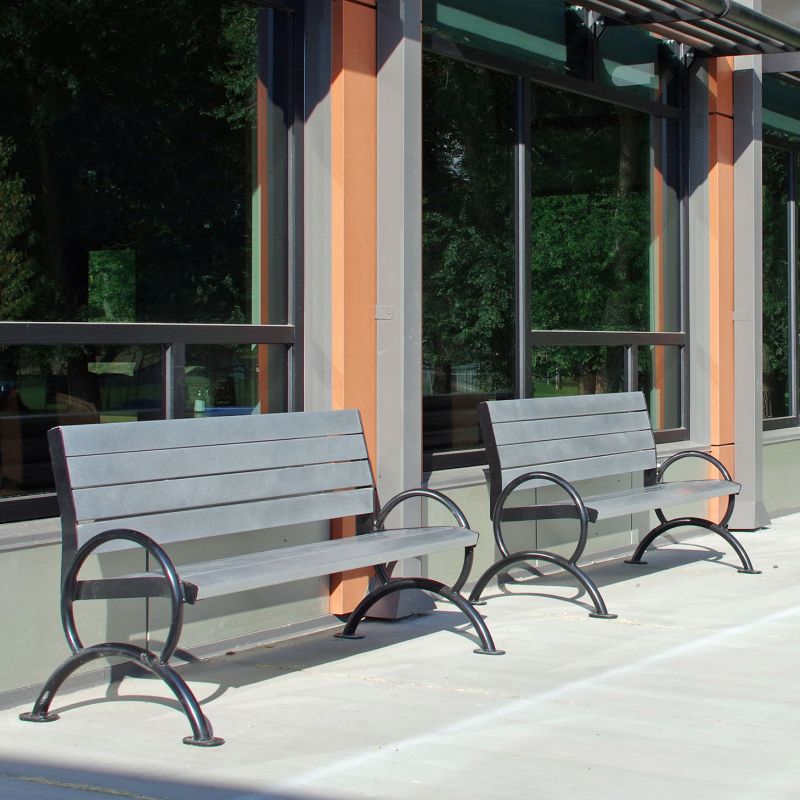
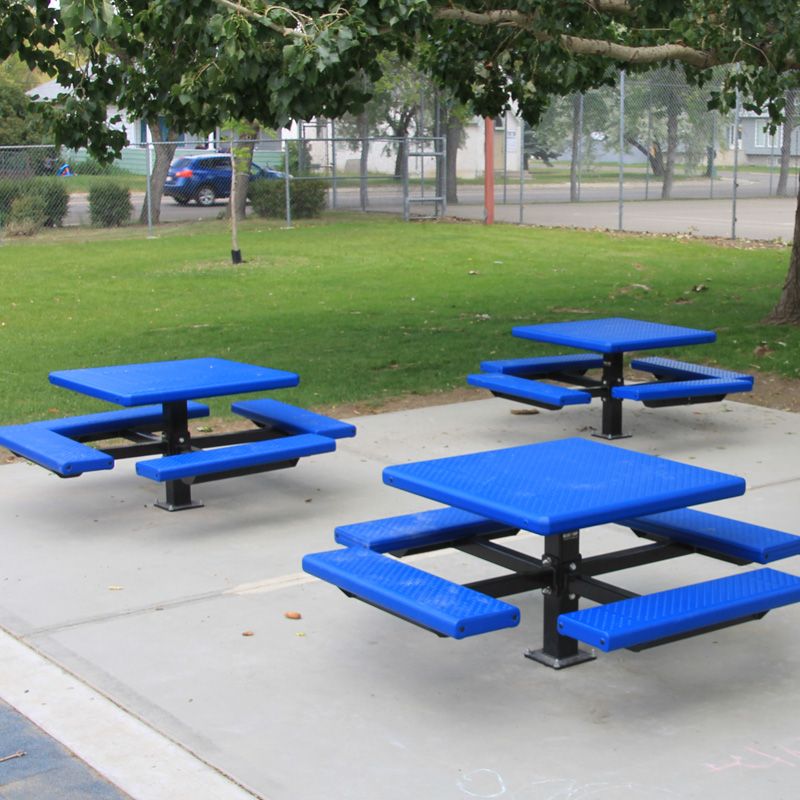
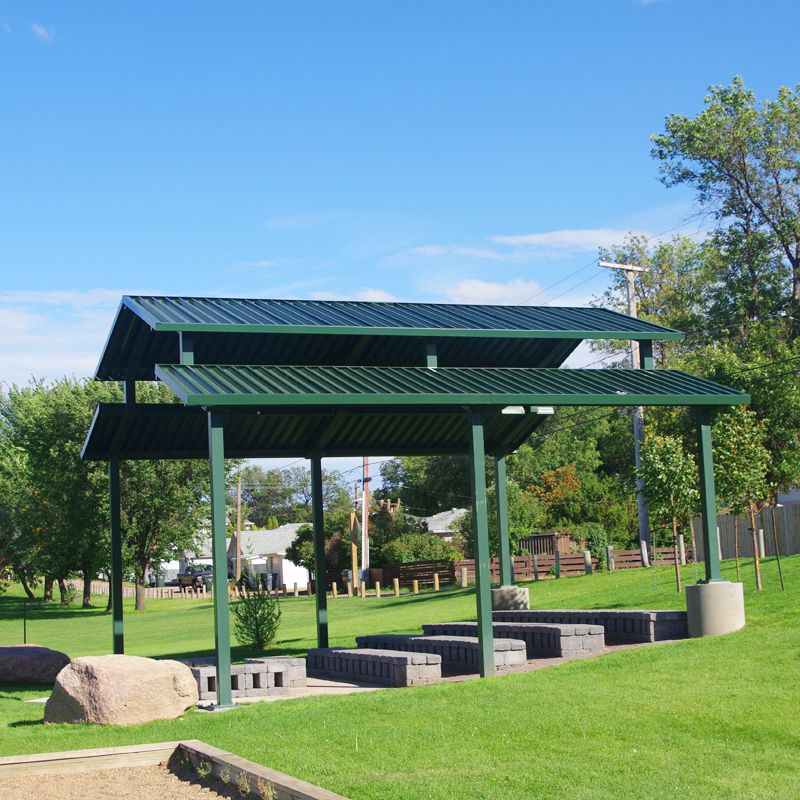
A custom municipal park has the longest runway because there are more moving parts. A large play structure may be paired with inclusive ground-level activities, ramps, adaptive swings, IMPulse outdoor fitness stations, and site amenities such as seating or shelters. That broader scope creates better community value, but it also creates more coordination.
Your Project Planning Checklist and Contingency Tips
A playground project usually slips for predictable reasons. The order goes out before the funding path is firm. Too many people join the design review too late. The site work schedule assumes perfect weather in the last few workable weeks before freeze-up.
The fix is to build the plan backward from the Canadian install season. If your target is a summer or early fall opening, every earlier decision has to protect that date.
Project checklist
Use this checklist to keep the project buildable, not just approved:
- Set the opening target and reverse-engineer the schedule
Start with the month the playground must open. Then count backward for manufacturing, freight, site prep, surfacing, inspection, and any owner sign-off. - Name the decision-makers early
School boards, municipalities, parent groups, facilities staff, and funders all need clarity on who approves what. If that list stays fuzzy, small questions turn into week-long delays. - Confirm how the project gets funded
Grants, fundraising, capital budgets, and board approvals all move at their own pace. Get those steps underway in fall or winter if you want spring procurement to stay on track. - Define the actual scope
Be clear about what is included in this phase: play equipment, surfacing, shade, site furnishings, accessibility upgrades, fencing, landscaping, or fitness elements. Scope drift is one of the fastest ways to lose your install slot. - Review the site with installation in mind
A site can look straightforward on paper and still create problems in the field. Check access for trucks and crews, grades, drainage, utility conflicts, excavation conditions, and where materials can be staged. - Set the layout and specifications early enough to order with confidence
Late design changes often affect footings, surfacing extents, freight, and install time. If your team needs a process guide, this step-by-step playground planning overview is a useful reference. - Release the equipment order as soon as the project is ready
Do not wait for site work to start. The equipment package is often on the critical path, and every week lost here reduces your options later in the season. - Book installation against real site readiness
Confirm who is finishing excavation, base work, drainage, and surfacing preparation, and by when. Installation dates should be tied to completed prerequisites, not hopeful assumptions.
Contingency tips that protect the schedule
Experienced teams leave room for ordinary problems. Freight can shift. Weather can close a surfacing window. Approvals can take longer than expected even when everyone is acting in good faith.
A few practical safeguards help:
- Carry schedule float where it matters most
Put the buffer before installation and before surfacing, not only at the end. - Assign one project lead
Installers, suppliers, site contractors, and owner representatives need one current version of the schedule. - Decide early what can be deferred
If budgets tighten or a shipment moves, know which nice-to-have items can wait without delaying the playground opening. - Prepare a partial opening plan
In some projects, the play area can open while landscaping or minor site amenities finish later, provided safety, access, and inspections are complete.
Field advice: The safest schedule is the one that still works after one delay, one weather issue, and one approval slowdown.
Start Your Playground Plan Today
The best playground schedules don’t start when the excavator arrives. They start when the owner decides not to leave timing to chance.
In Canada, the critical issue is the install window. Ground conditions, surfacing, freight, approvals, and crew availability all tighten around that season. If you start planning in fall or winter, you give your project room to move. If you wait until spring, you may still get there, but the margin disappears fast.
That applies whether you’re adding a single freestanding play feature, replacing a school playground, or building a municipal park with inclusive components, outdoor fitness, and site amenities. Early planning doesn’t make the project bigger. It makes the project more buildable.
If your target is next summer, the right time to start is now.
Ready to Build Your Dream Playground?
Talk to Blue Imp if you’re planning a Canadian playground project and want to map the timeline around your site, scope, and opening date.
