
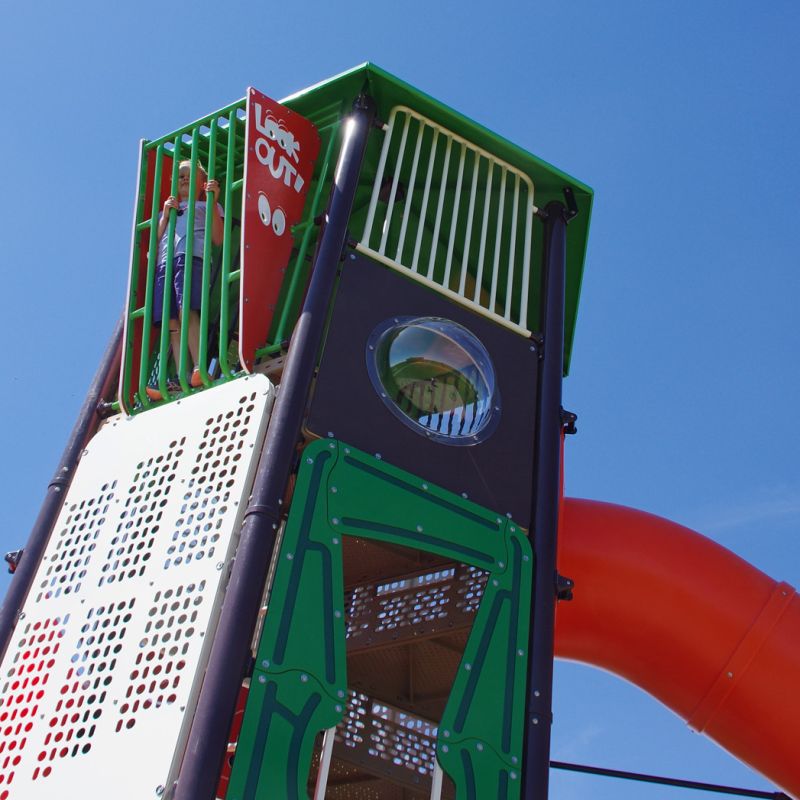
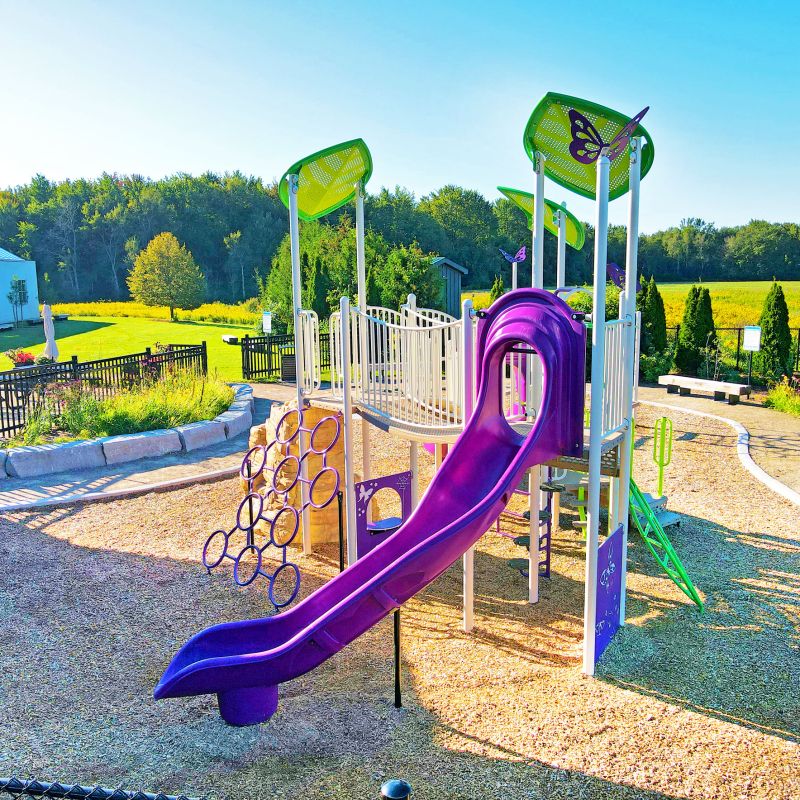
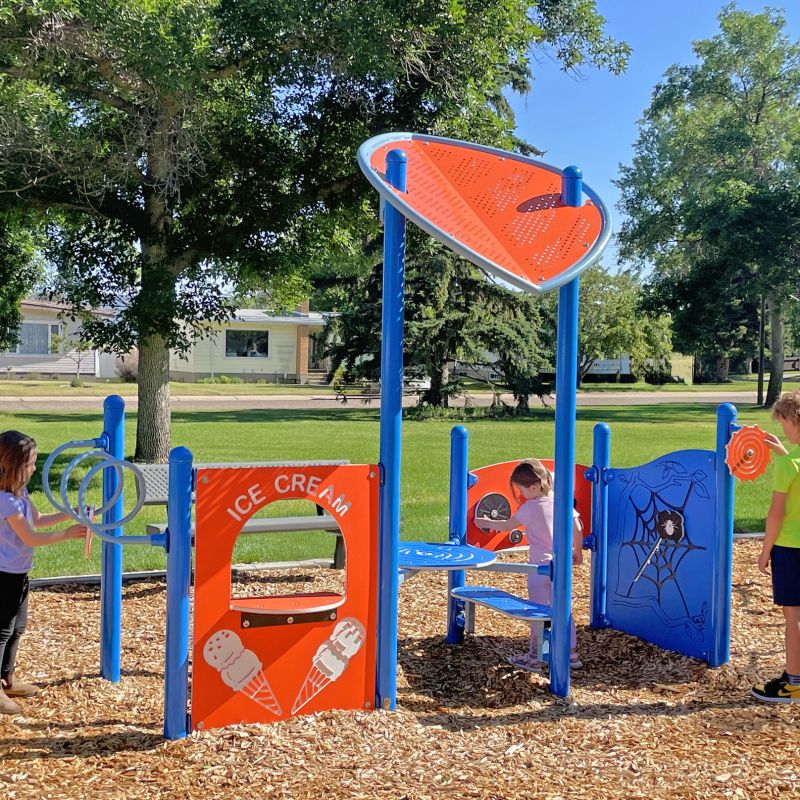
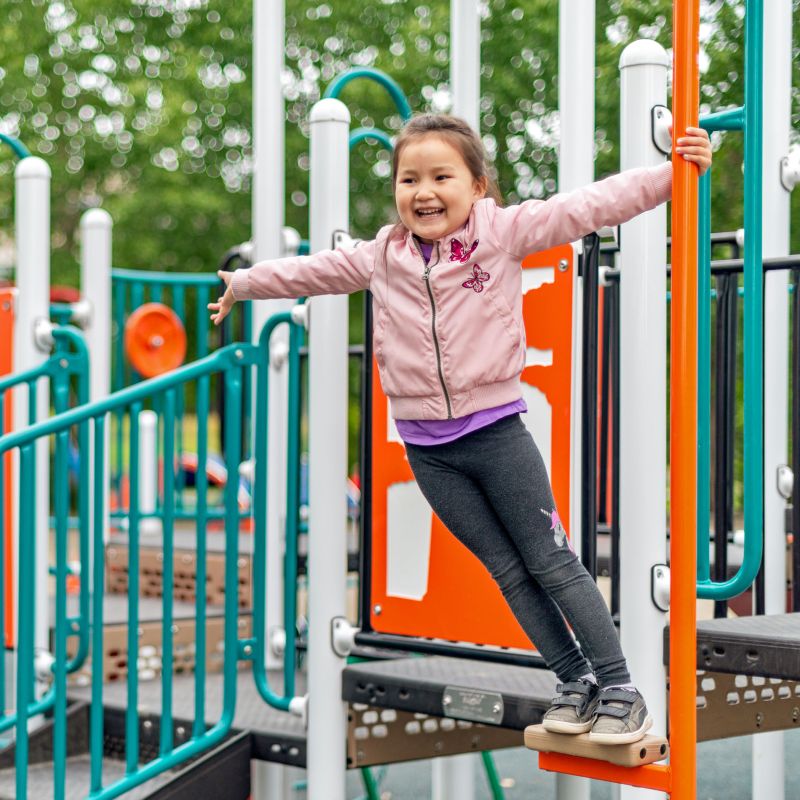
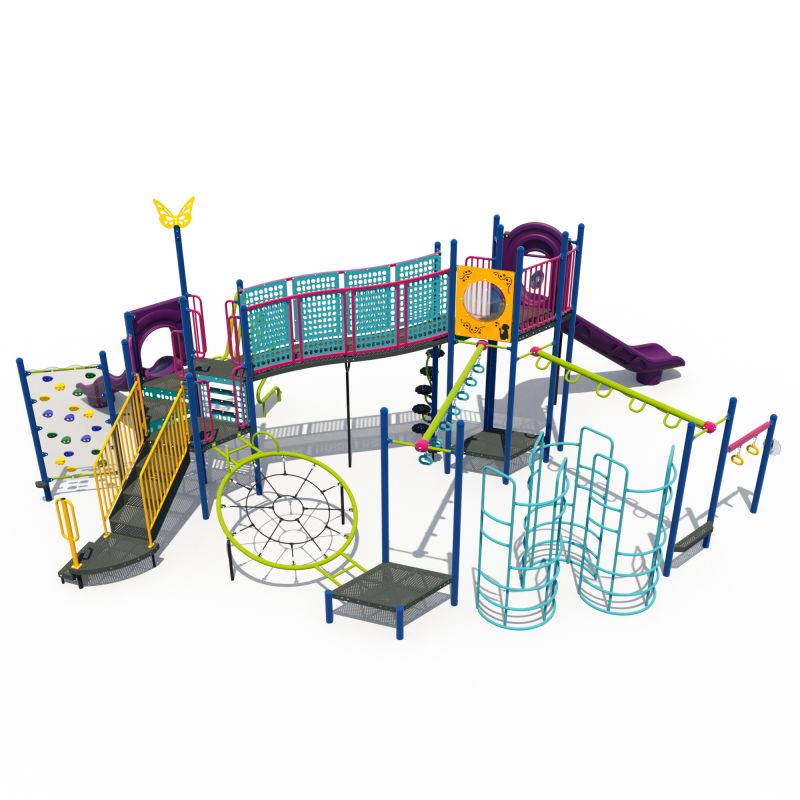
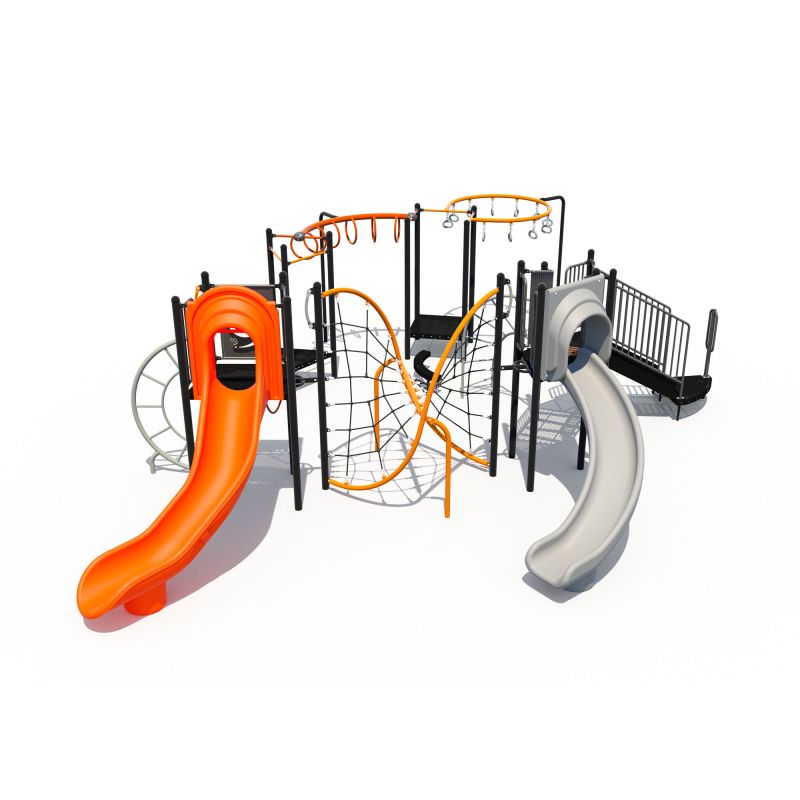
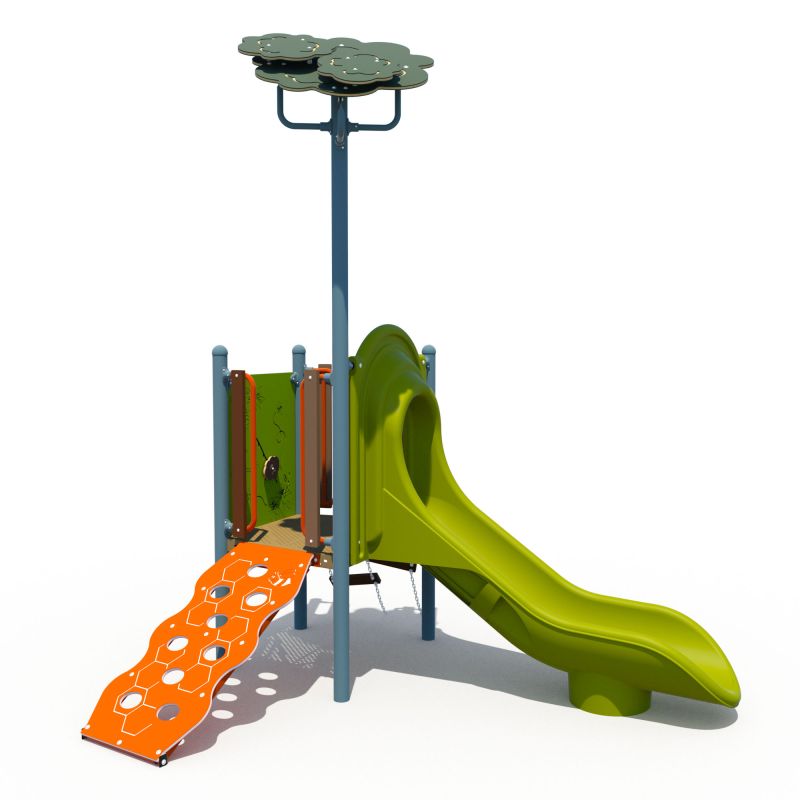
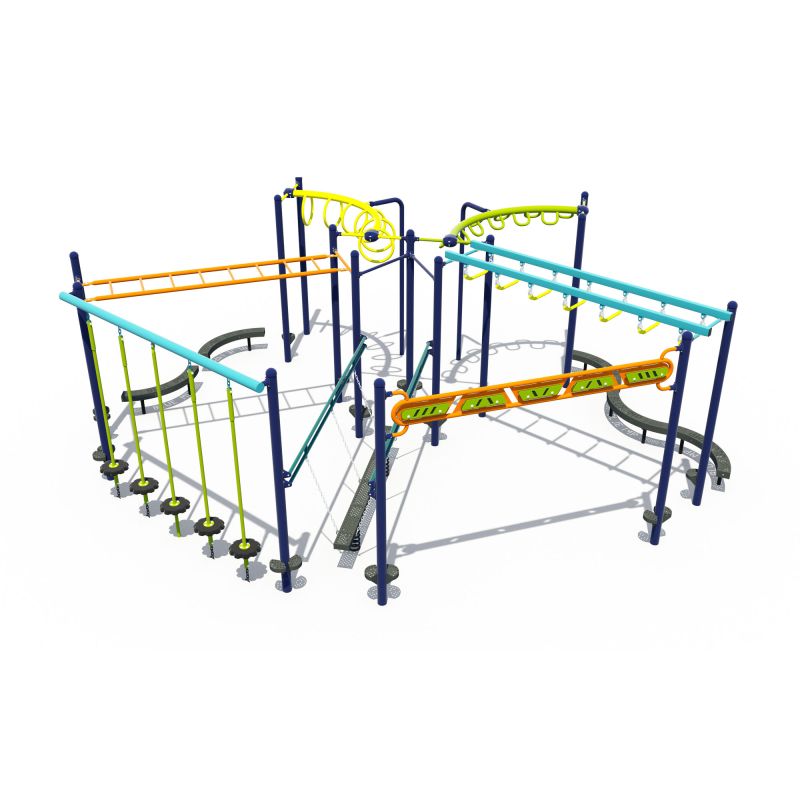
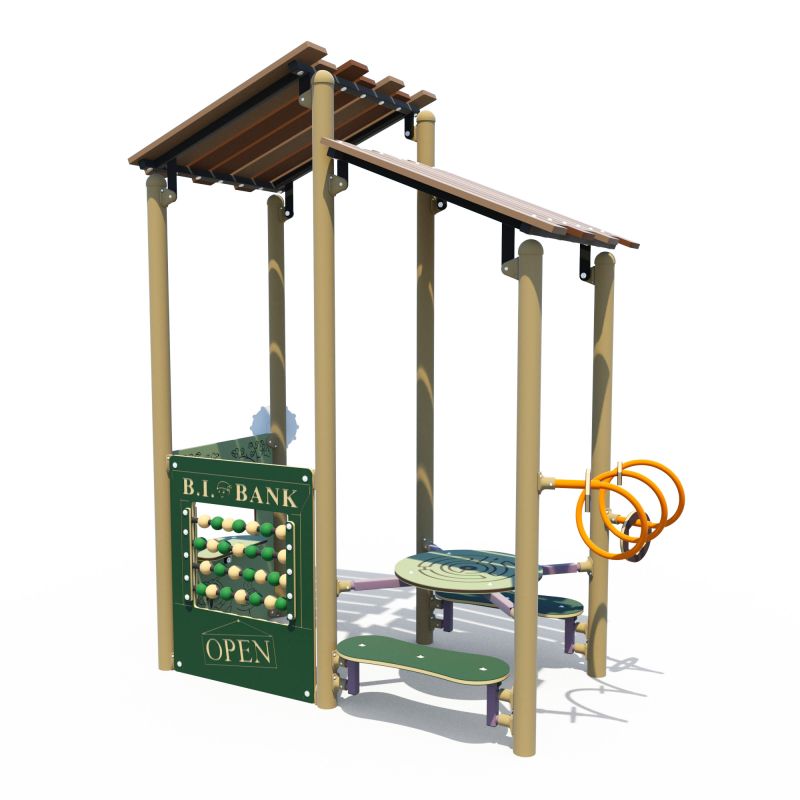
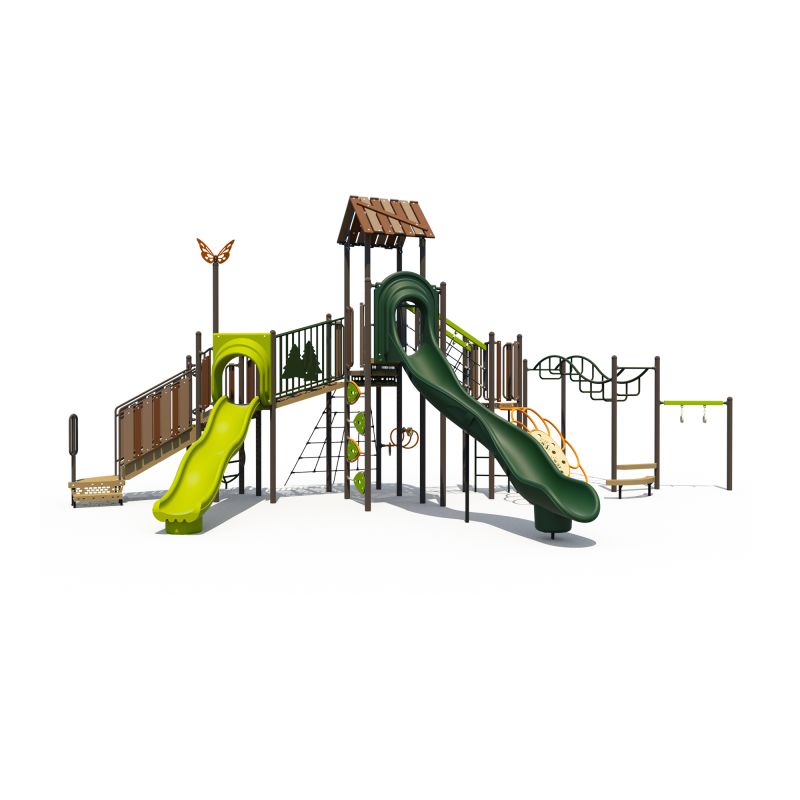
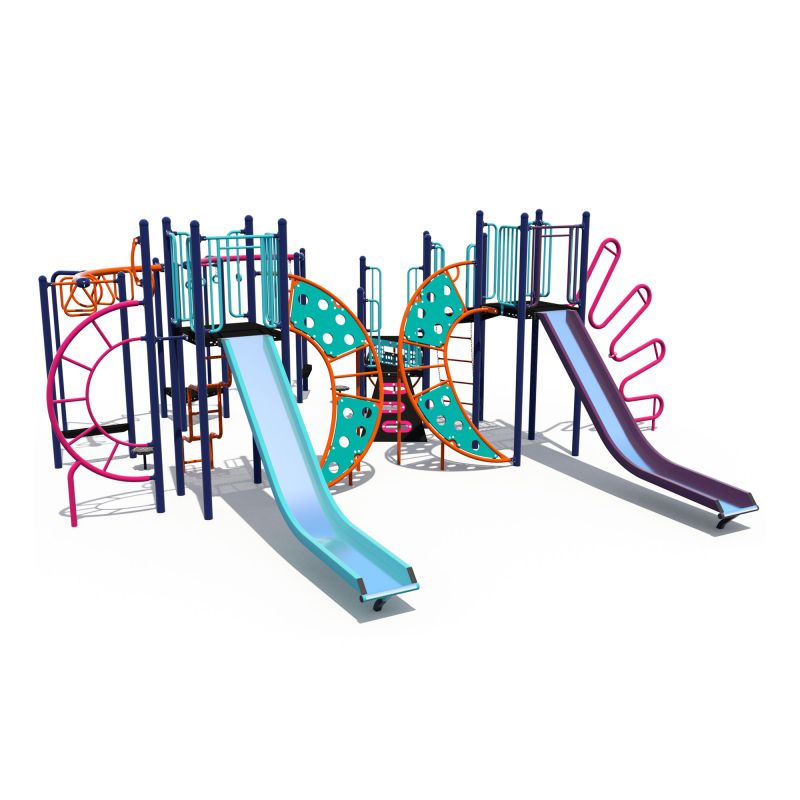

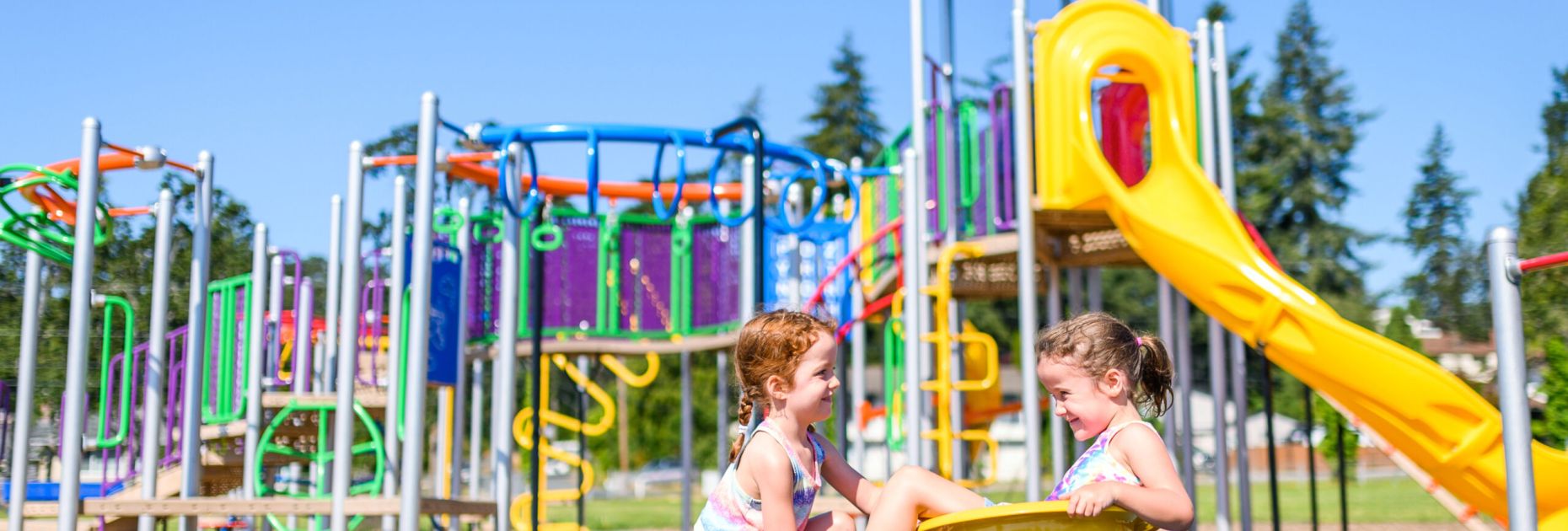
A great park and playground is more than a collection of swings and slides, it’s the heart of a community. It’s where families connect, children build friendships, and memories are made that span generations.
The Modern Park Is a Community Centrepiece
Picture a space designed not just for play, but for connection. The best modern parks are thoughtfully designed environments that support well-being, reflect a community’s unique character, and offer something for everyone.
This guide is about turning an open space into a true destination, one that gets people moving, talking, and feeling a sense of belonging. We’ll explore how the broader ‘park’ (the green space, paths, and amenities) and the dynamic ‘playground’ (the active play zone) must work together to create a complete experience.
More Than Just Play Equipment
A successful park design considers the entire experience from the moment a family arrives. It anticipates the needs of everyone, from a toddler on a soft surface to a grandparent watching comfortably from a park bench with a clear line of sight. It’s all about creating an atmosphere that feels welcoming and whole.
This holistic vision weaves together different elements to build a multi-purpose space:
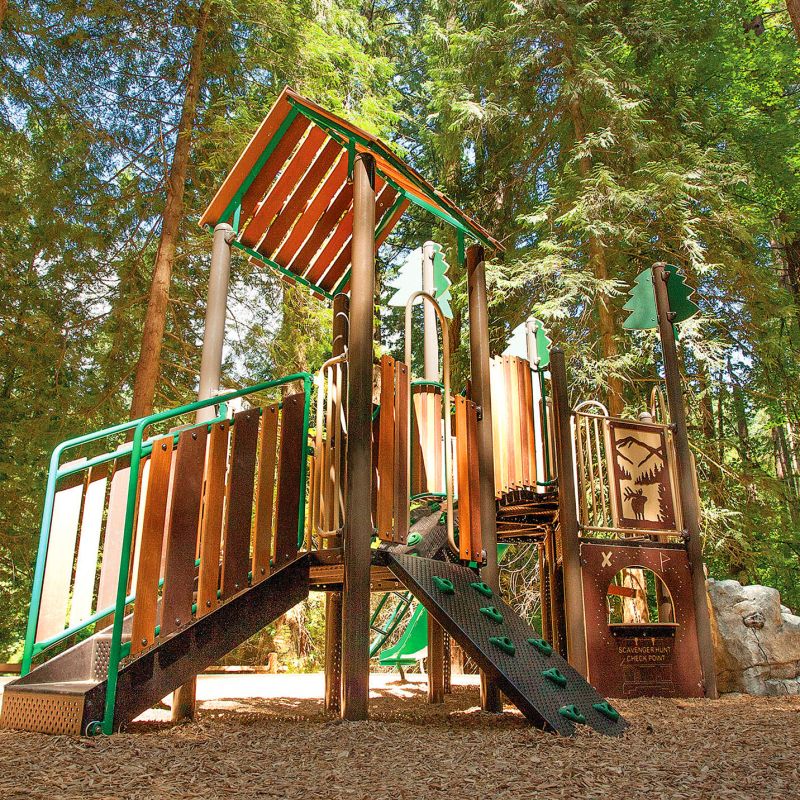
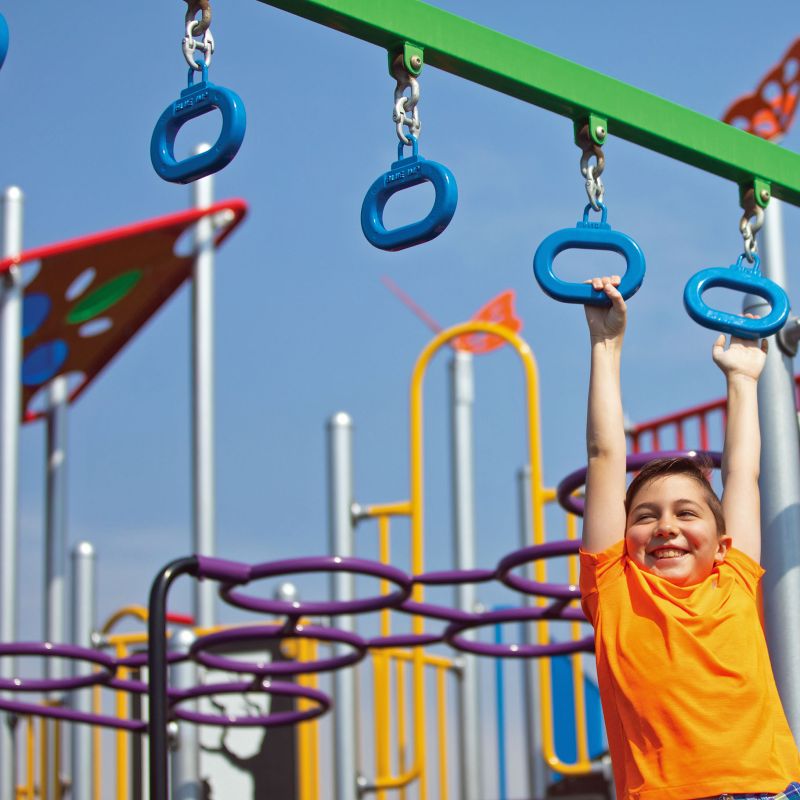
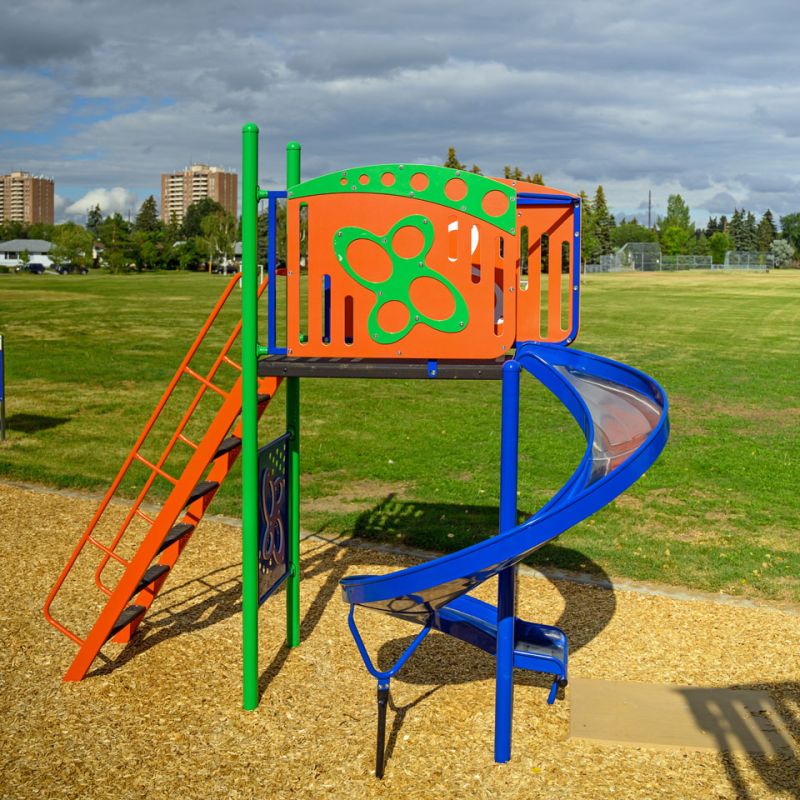
- Active Play Zones: This is where the action is. Climbers, slides, and spinners challenge children physically and spark their imaginations.
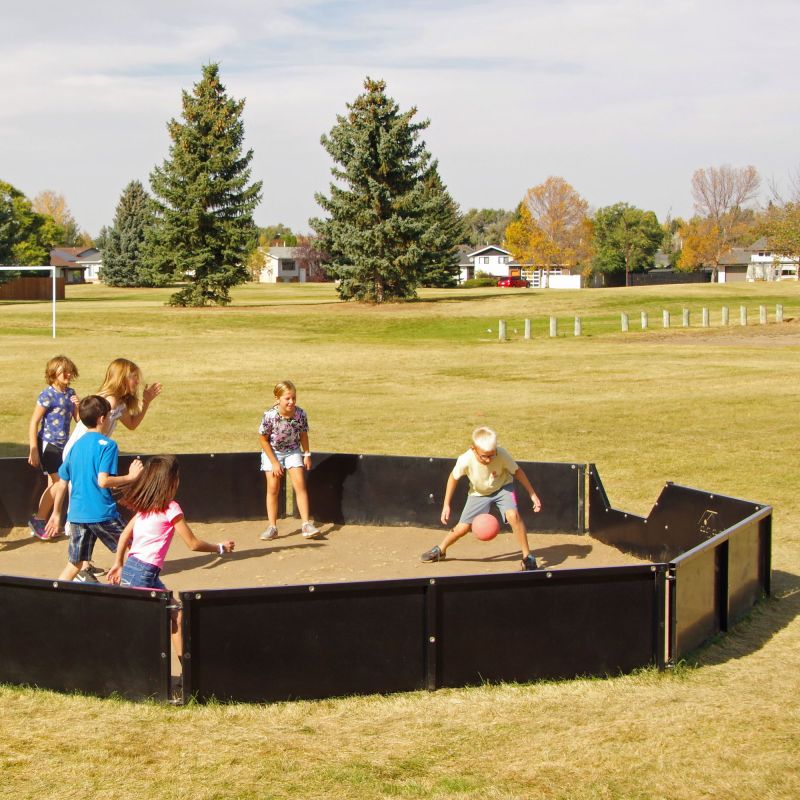
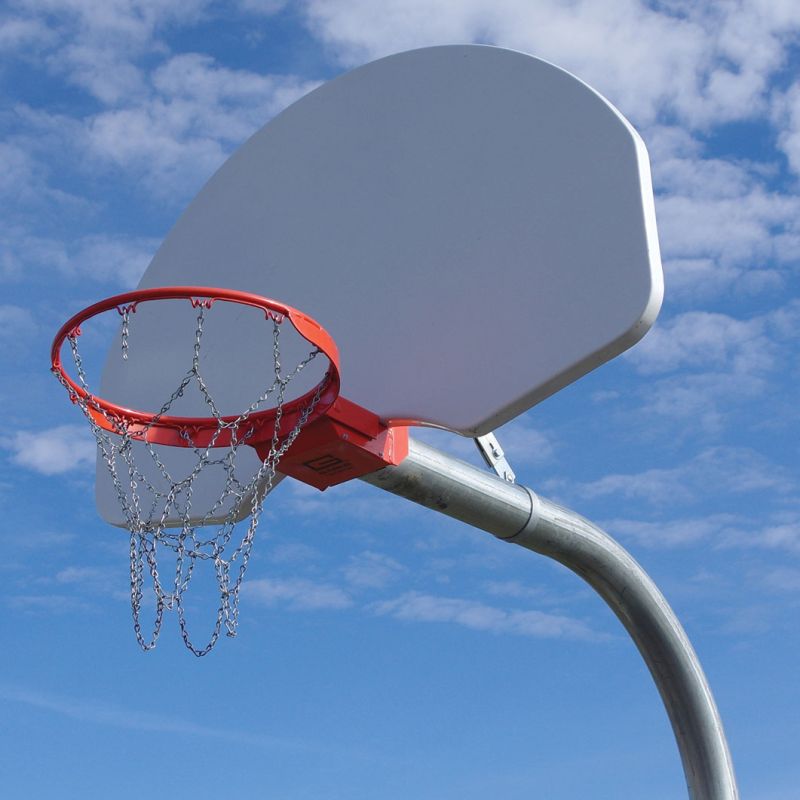
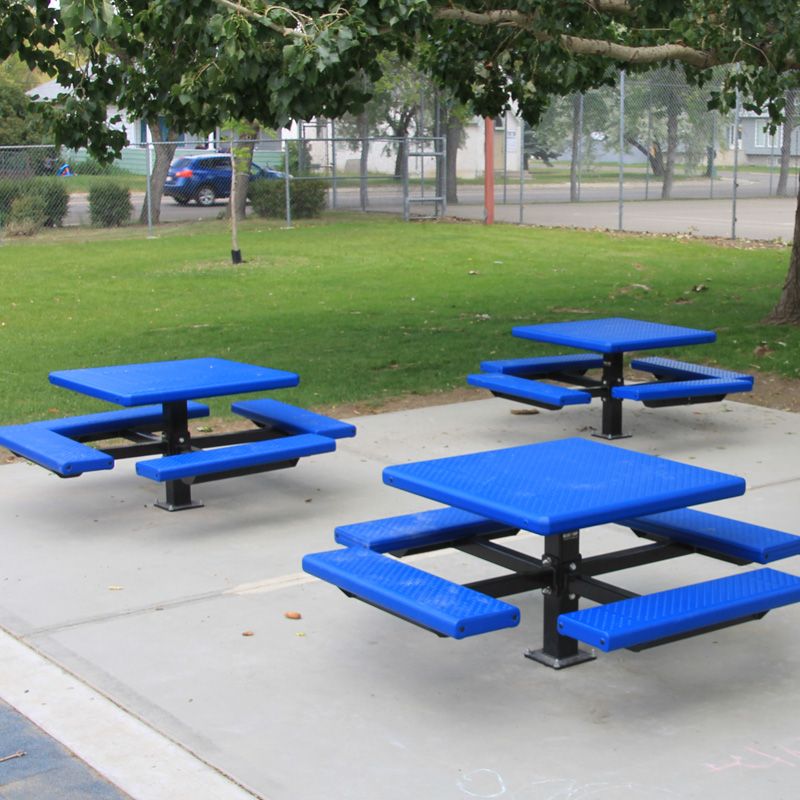
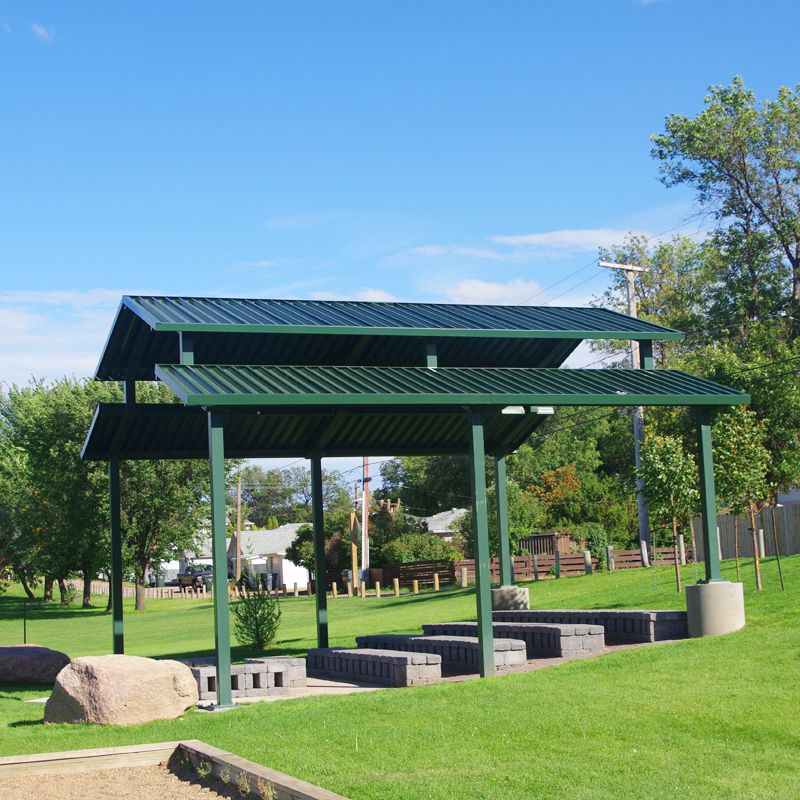
- Social Gathering Spaces: Well-placed site amenities, like picnic tables and shelters, invite people to stay longer. A quick trip to the swings can turn into a full afternoon outing.
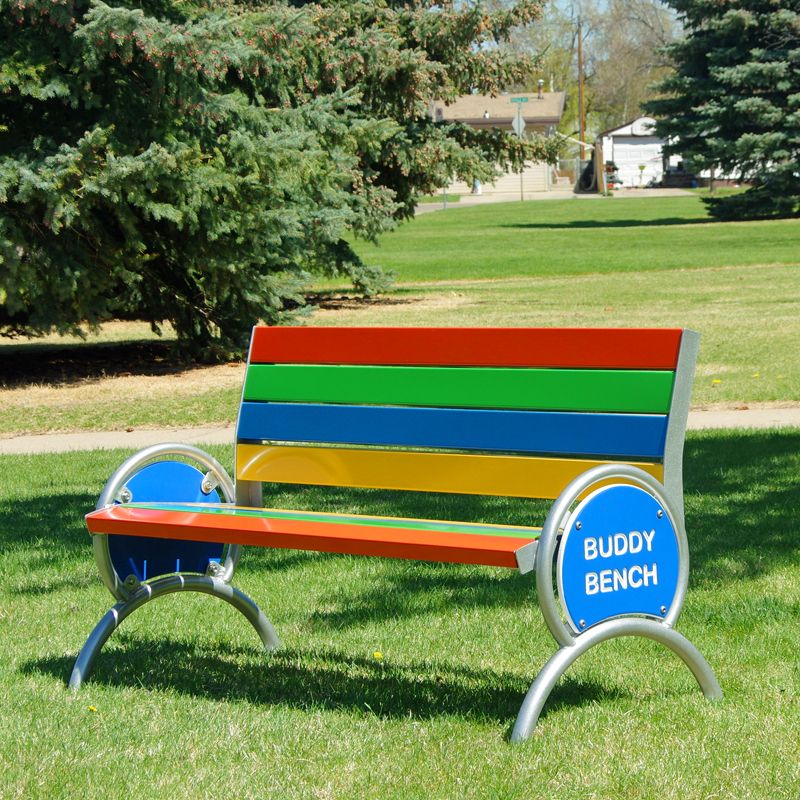
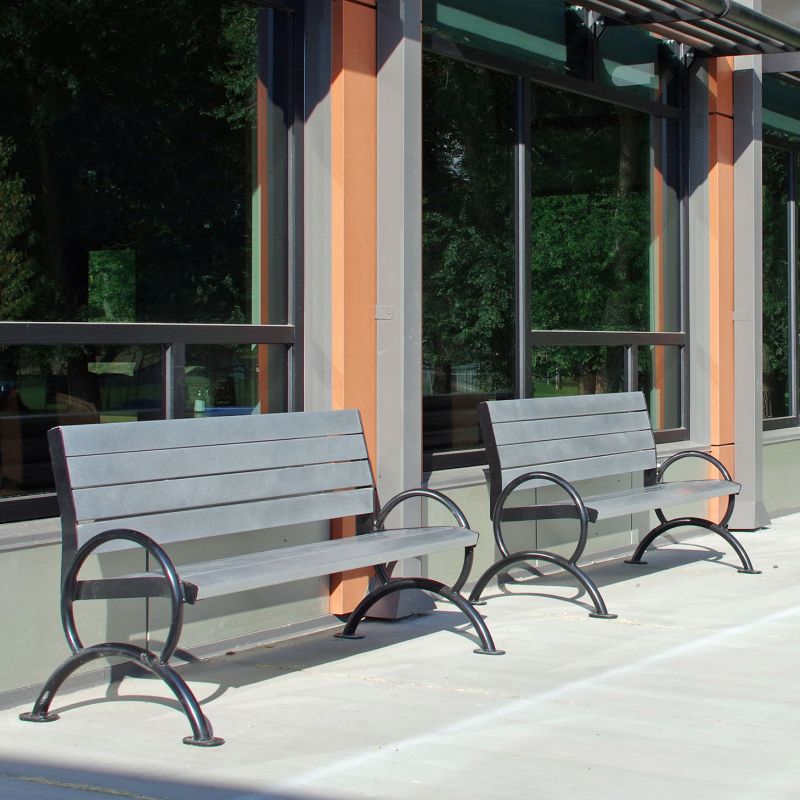
- Quiet Areas: Not every moment is about high-energy fun. Benches along peaceful pathways offer a chance for quiet reflection or a chat, providing a balance to the excitement.
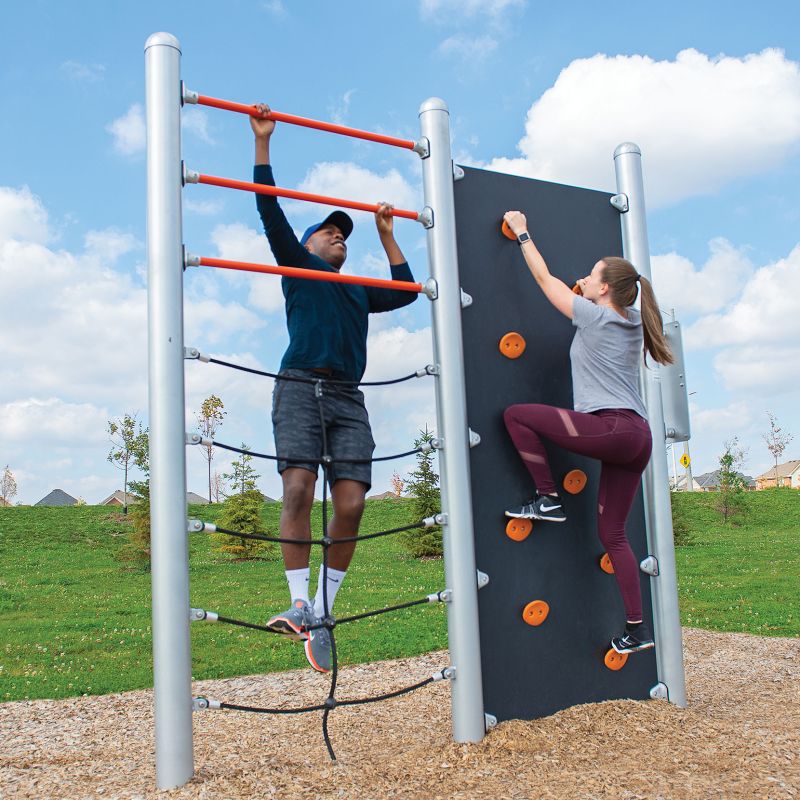
- Multigenerational Fitness: Adding outdoor fitness equipment, like our Fitness Station line, broadens the park’s appeal, giving teens and adults a reason to get active, too.
Building for Canadian Communities
As Canada’s longest-standing playground manufacturer, with roots going back to 1917, we at Blue Imp know that a park has to be as resilient as the communities it serves.
That’s why all our equipment is designed and manufactured in Medicine Hat, Alberta. We use materials like galvanized steel and durable coatings specifically chosen to stand up to the harshest Canadian weather.
This commitment means your investment delivers more than just fun for today—it creates a lasting community asset. We’re here to help you build those essential community spaces with durable, compliant, and inspiring equipment designed to bring everyone together.
Laying the Groundwork for Your Park
A great community space isn’t created by simply installing a slide and a set of swings. It begins with a thoughtful vision that transforms an empty piece of land into a place where people want to be. For municipal planners, landscape architects, and community groups, this is the critical stage, where the goal of a thriving park and playground takes root.
It starts by getting to know your site. Every piece of land has its own character, defined by its slopes, mature trees, and natural paths. When you understand these features, you can design with the landscape, not against it.
At the same time, you must ask the most important question: who is this for? Is it a space for young families with toddlers? A busy hub for school children? Or are we creating a park that brings everyone together, from teenagers to their grandparents? The answers will guide every choice you make.
From Site Analysis to Strategic Layout
Once you have a sense of the land and the people who will use it, you can start sketching a layout. This is where individual elements are woven into a seamless experience that feels right. A well-designed park considers how people will move through it and what they need at every turn.
Here are a few things to keep in mind during this planning phase:
- Circulation and Pathways: Think of pathways as the park’s arteries. They need to create a smooth, intuitive flow for everyone, including parents pushing strollers and people using wheelchairs, connecting parking, play zones, and other key spots.
- Sightlines for Caregivers: This is a key detail. Benches and seating can’t be an afterthought. They must be strategically placed to give parents and caregivers a clear, unobstructed view of the play areas, so they can supervise while children explore.
- Zoning for Different Activities: Not all park activities have the same energy level. A great layout creates distinct zones, keeping the high-energy fun of the main playground separate from quieter areas. This way, a game of tag won’t interrupt someone enjoying a book on a shady bench.
For instance, placing a bank of swings along the edge of the play space can create a natural buffer. Tucking picnic tables under a shelter gives families a dedicated spot to gather, rest, and refuel without being in the middle of the action.
Integrating Amenities for a Complete Experience
A good playground makes children want to play. A great park makes the whole family want to stay. That difference often comes down to the amenities and supporting features that surround the play equipment. These elements transform a simple play area into a true community destination. A park is more than a playground; it’s a complete ecosystem built for community well-being.
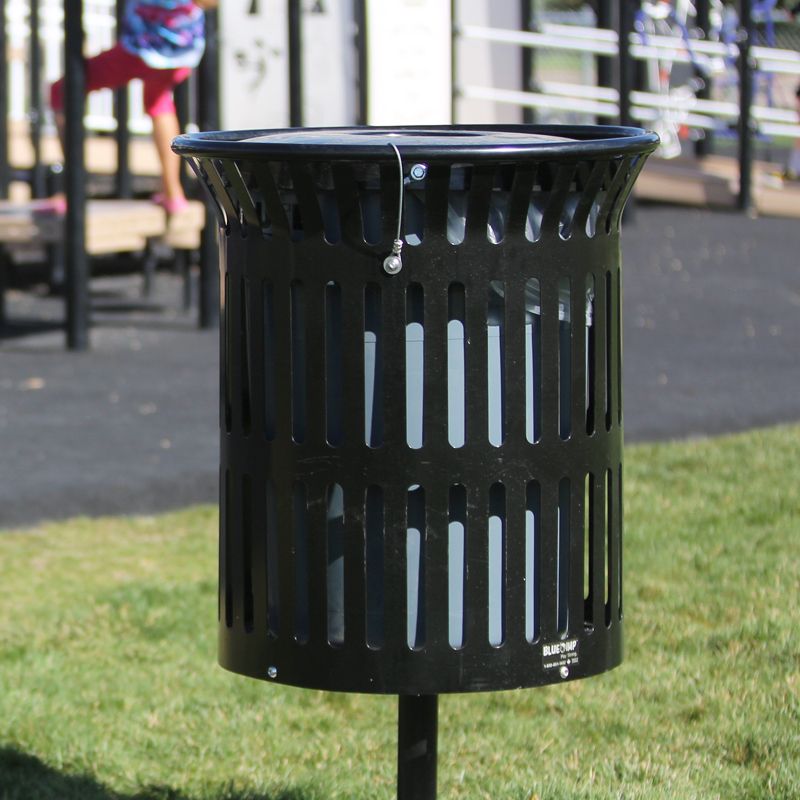
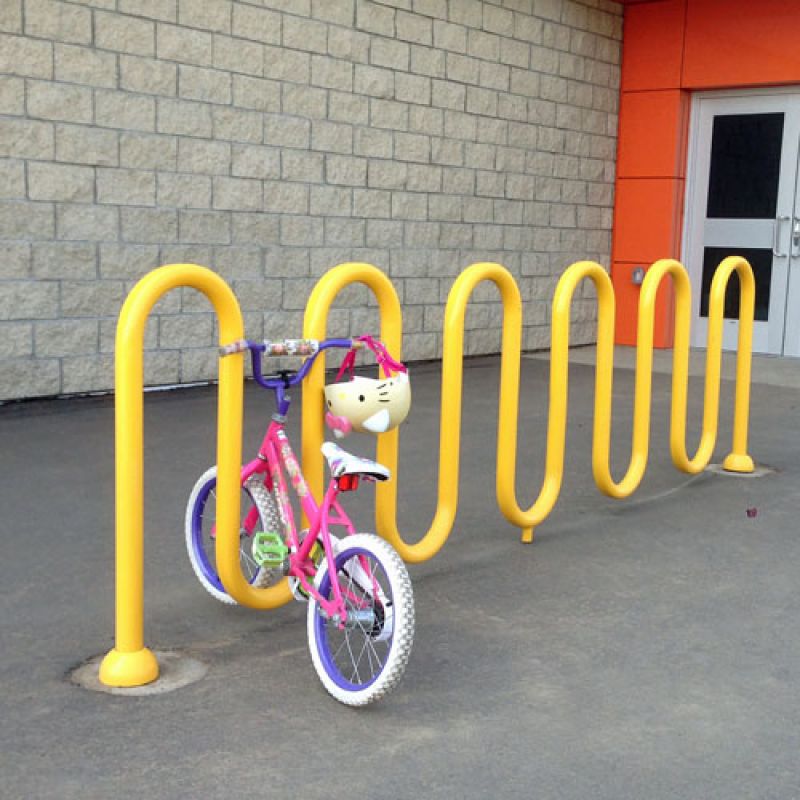
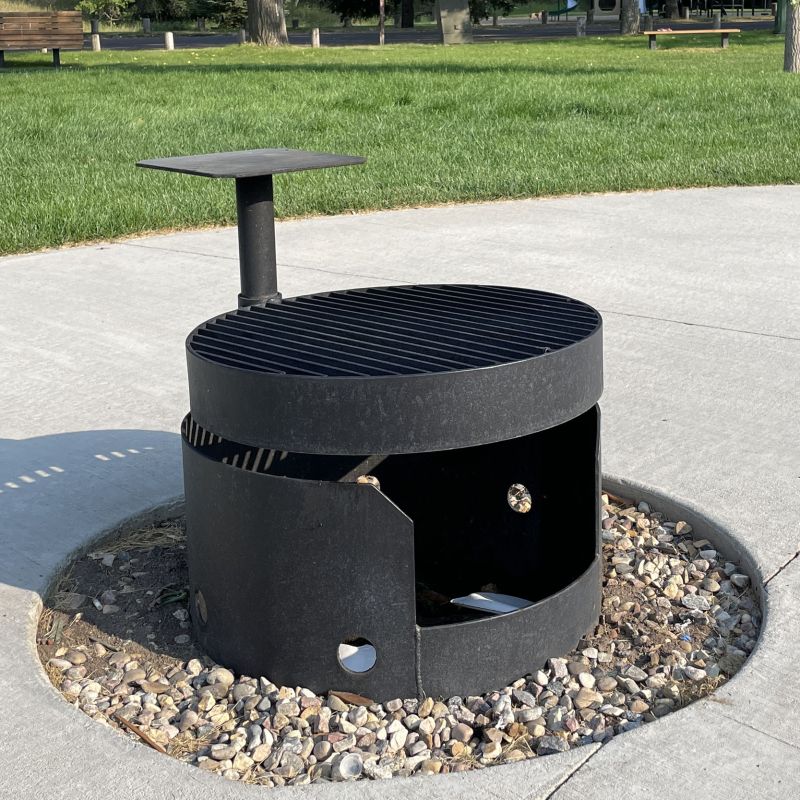
The goal is to build a space that serves a wider range of needs. That might mean installing a few accessible stations to welcome a wider demographic. Or perhaps it’s as simple as adding bike racks, plenty of waste bins, and clear signage to make the park practical and welcoming for everyone. For those starting this journey, you can connect with our planning team to help plan your playground and set your project up for success.
A park is a reflection of a community’s commitment to its residents’ well-being. By designing a complete experience, from the moment a family arrives to the moment they leave, we create spaces that foster connection, health, and joy for years to come.
Choosing Playground Equipment That Meets Your Goals
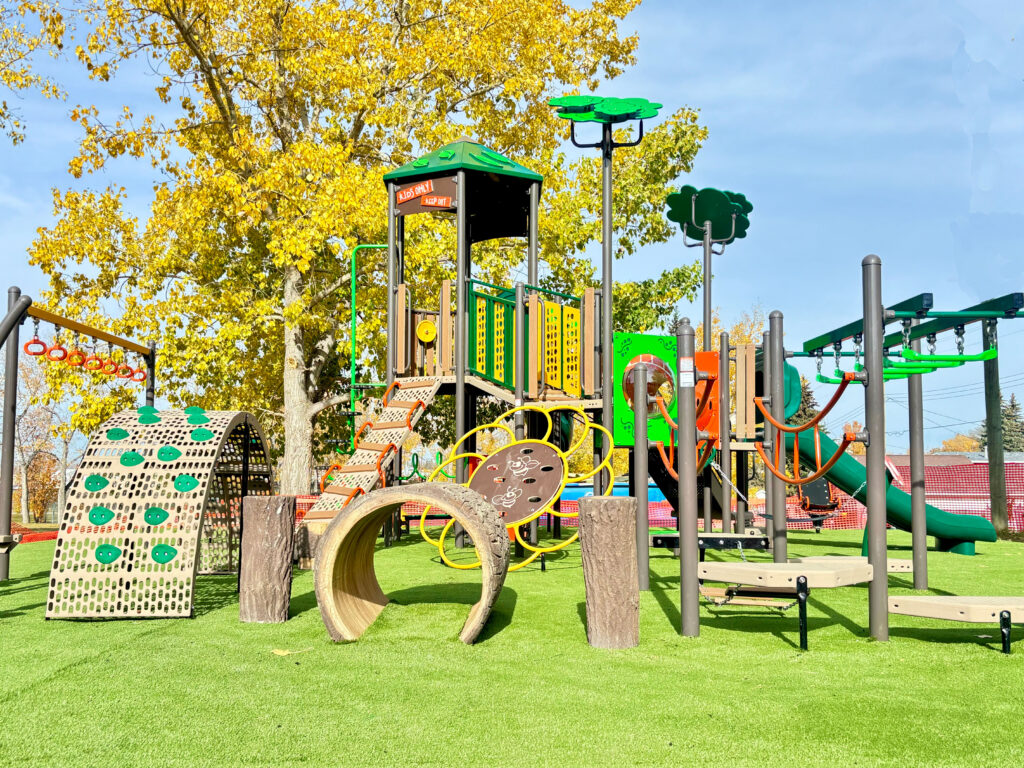
Selecting equipment for a new park or playground is more than just filling a space. It’s about bringing a vision to life, curating an experience that serves the heart of your community. Whether you’re a school aiming to support physical literacy or a town council creating a new family hub, the right equipment is what sparks connection, movement, and joy.
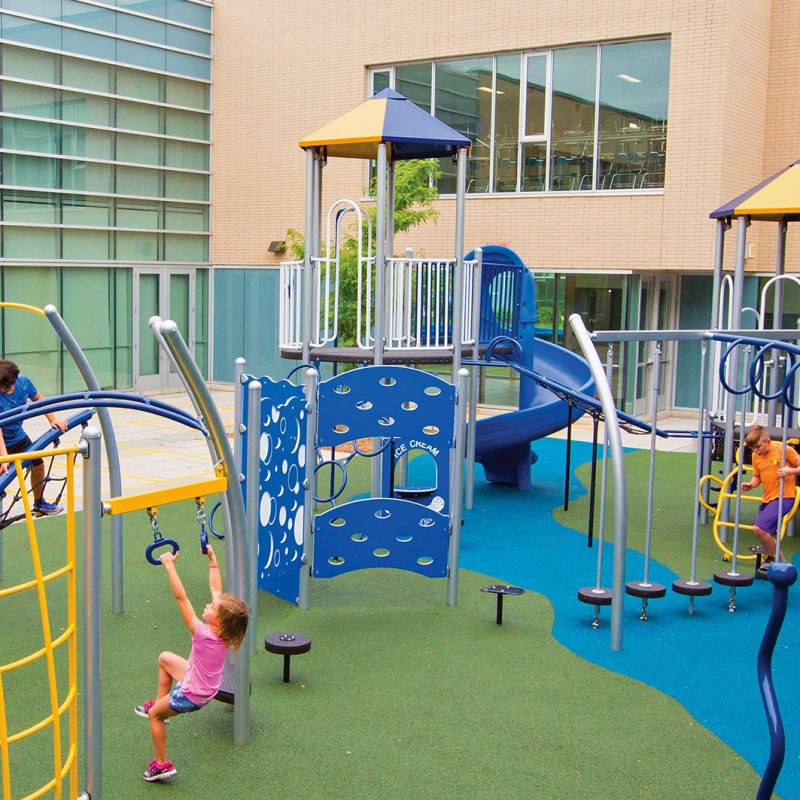
This is where your big-picture goals take shape on the ground. A school playground, for instance, needs to handle a large number of children during a short recess, so the design must focus on flow and high-capacity activity. A community park, on the other hand, often has to entertain a wider age range, creating a space where families can spend an afternoon.
Curating a Rich Variety of Play
What makes a playground truly engaging? It offers a balanced “diet” of play experiences. It should speak to different developmental needs and play styles, ensuring every child can find something that pulls them in. The mission is to build a dynamic environment where children can build strength, test their coordination, engage their senses, and use their imaginations.
To make that happen, think about including a mix of equipment:
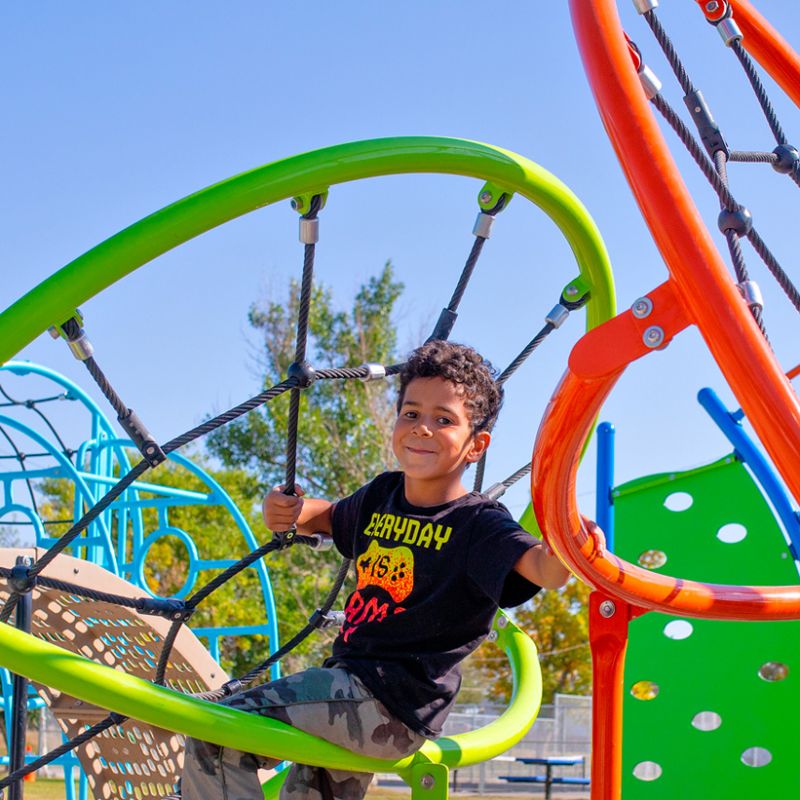
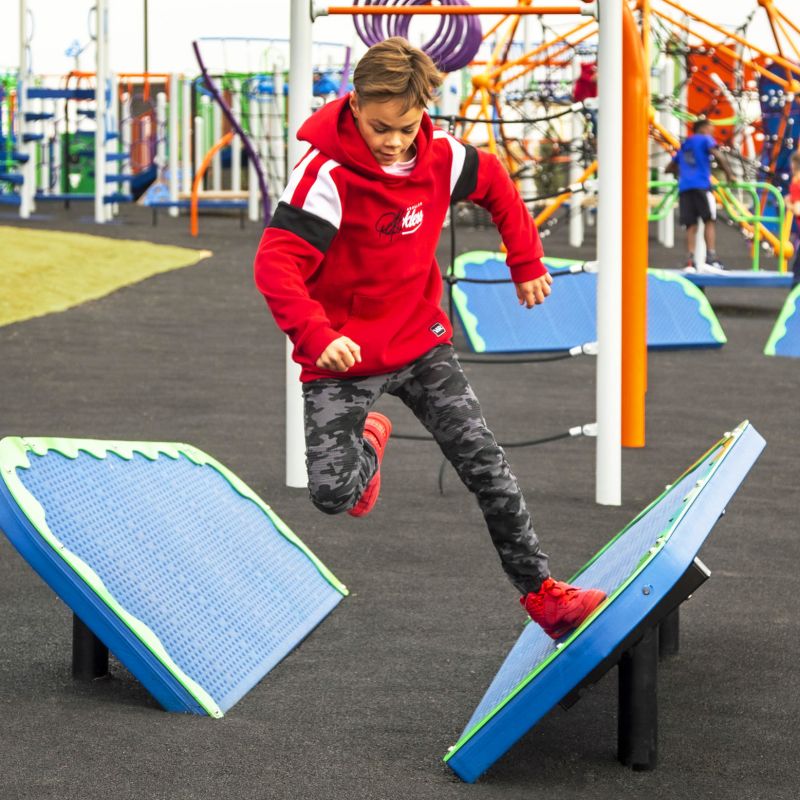
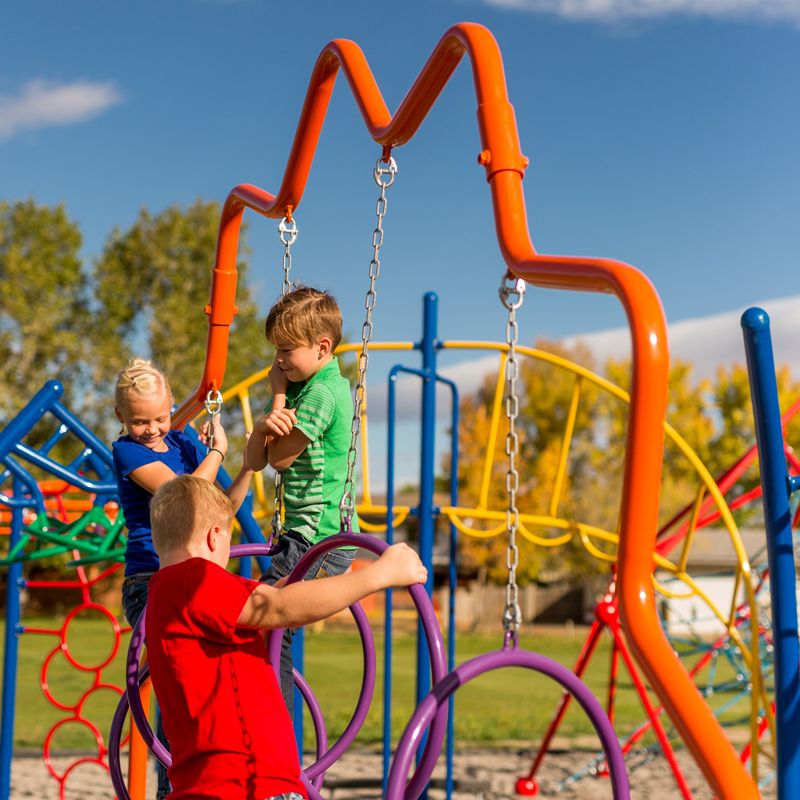
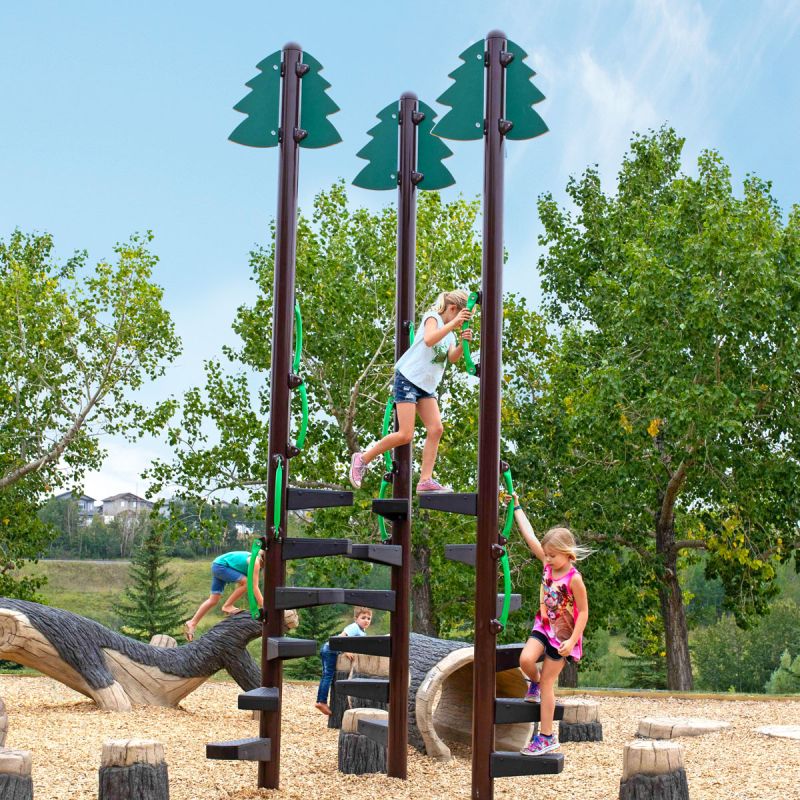
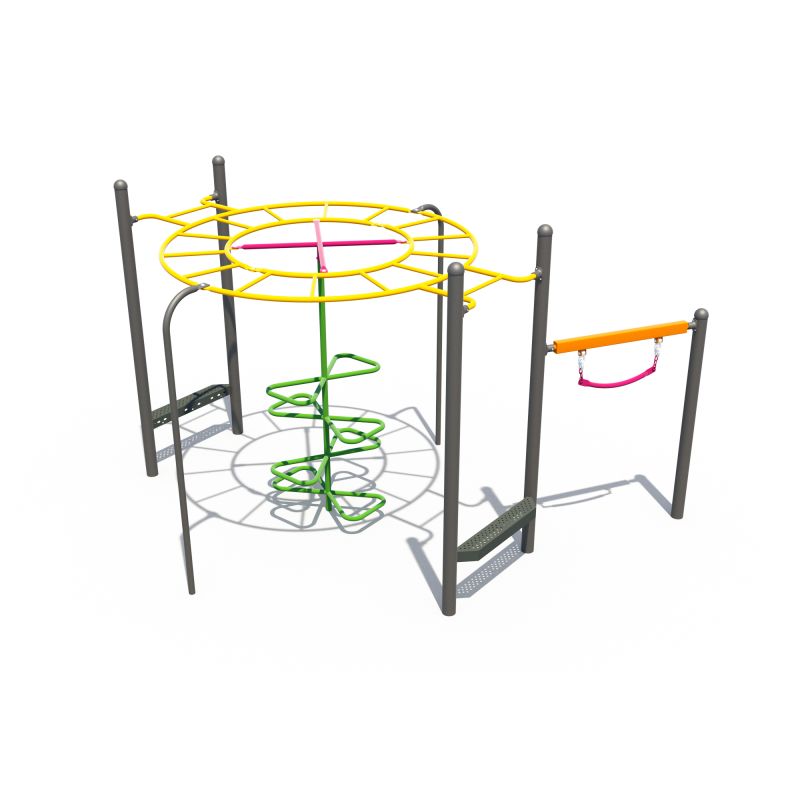
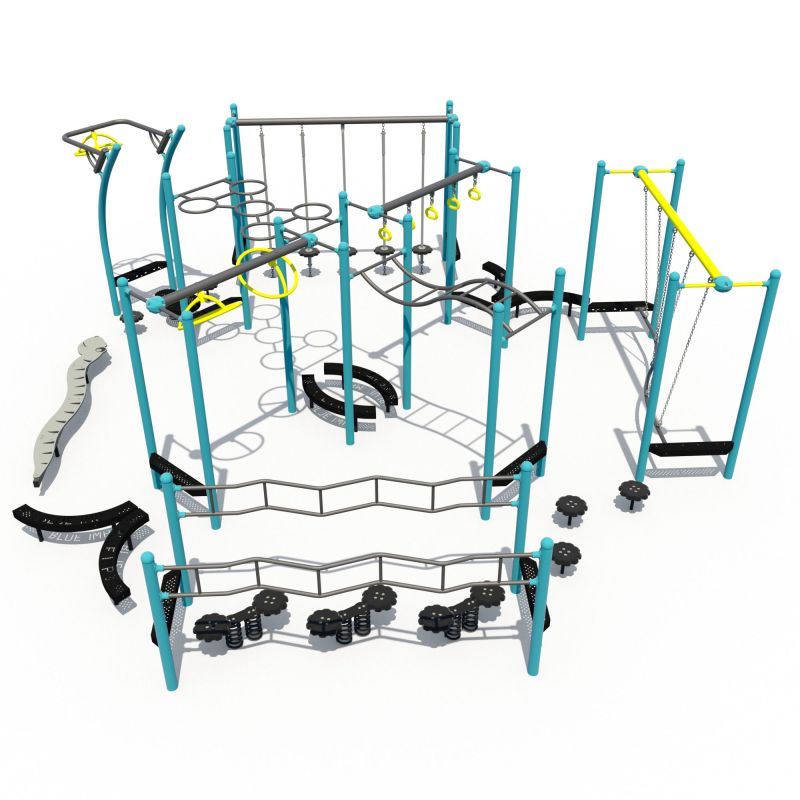
- Climbers and Agility: Structures like obstacle courses are excellent for building upper-body strength, balance, and problem-solving skills. They offer a physical challenge that helps children grow in confidence.
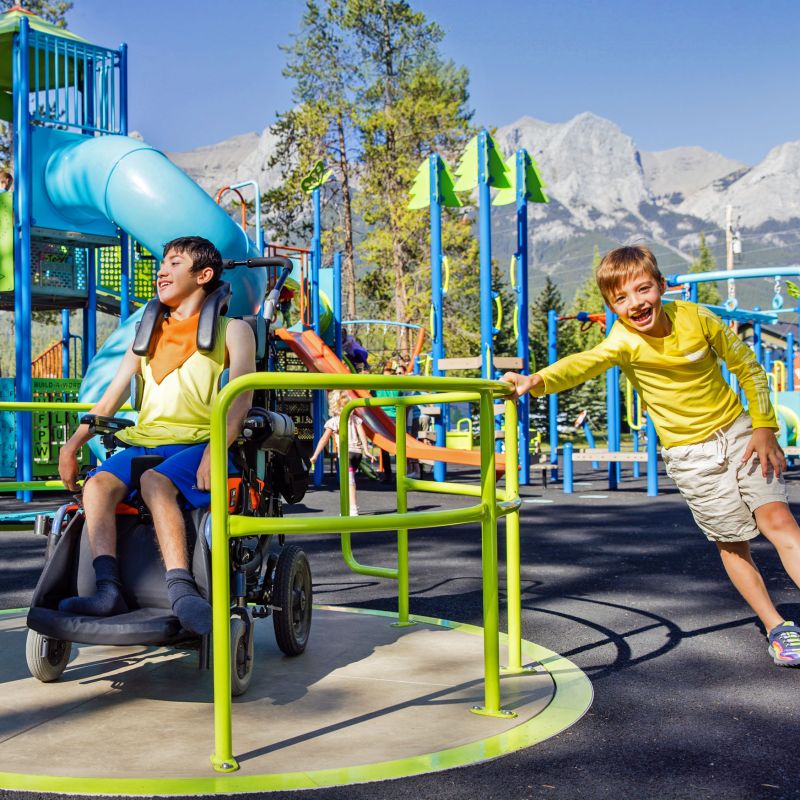
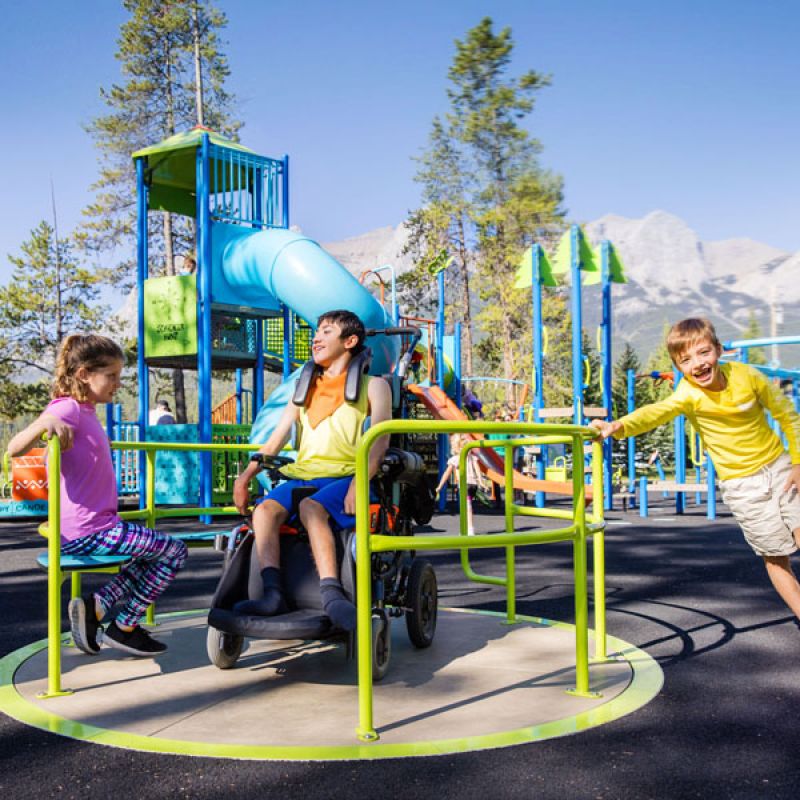
- Motion and Sensory Play: Spinners and other motion pieces provide important vestibular input, which is key for developing a sense of balance and spatial awareness. Freestanding swings, a timeless classic, offer a rhythmic, calming motion that children of all abilities enjoy.
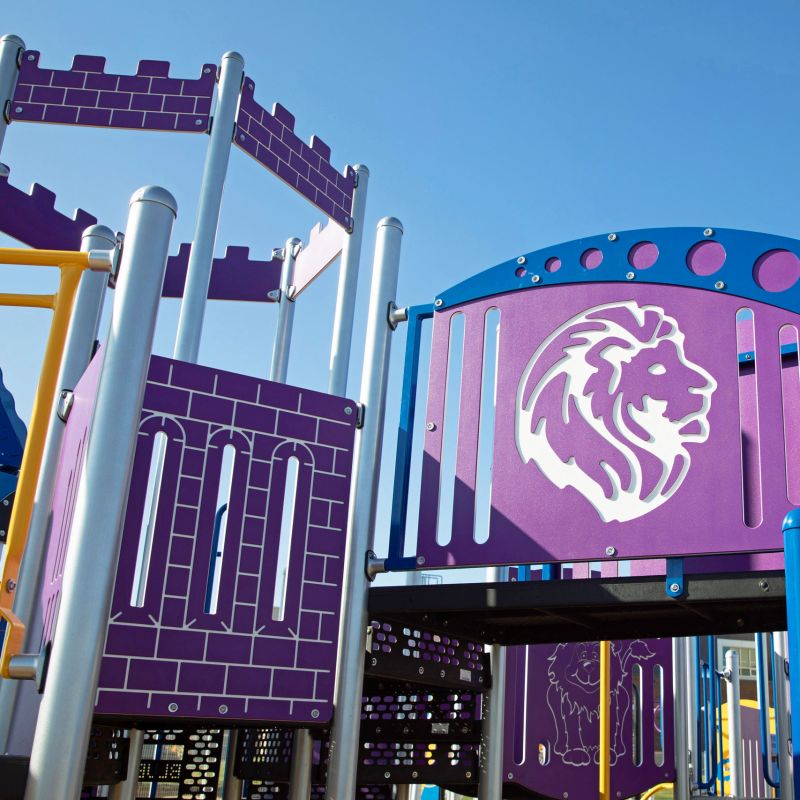
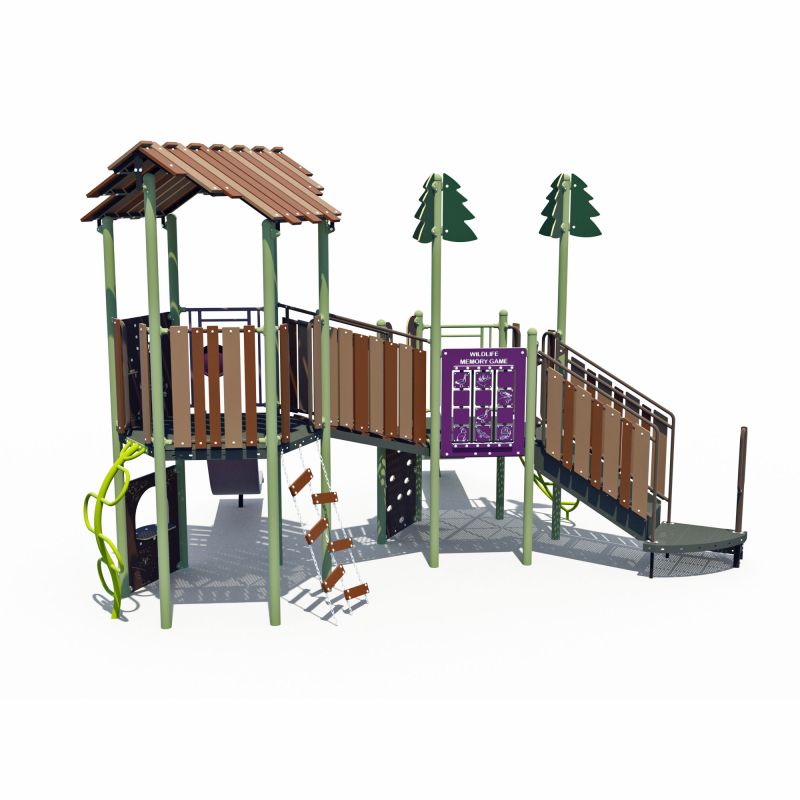
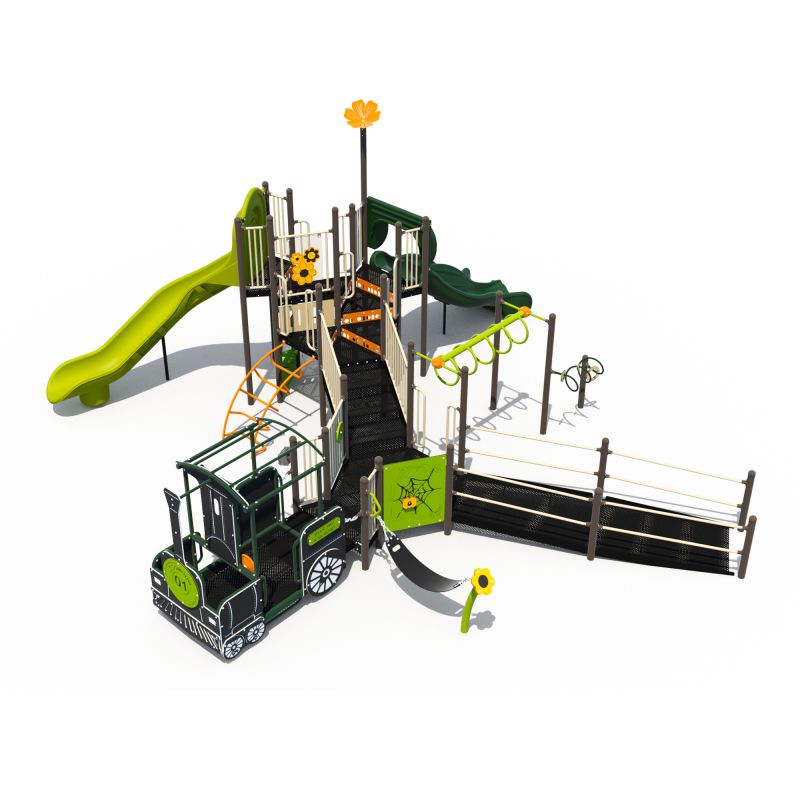
- Imaginative and Social Play: Themed structures can instantly transform a play area into a world of adventure. A pirate ship or a castle-themed playground becomes the stage for endless stories, inspiring children to work together and take on different roles.
Choosing the right mix of equipment is fundamental to achieving the play experience you envision for your community. To simplify this process, we’ve matched our equipment categories with the specific community goals they help achieve.
Matching Playground Equipment to Community Goals
| Equipment Category | Primary Play Value | Ideal For |
|---|---|---|
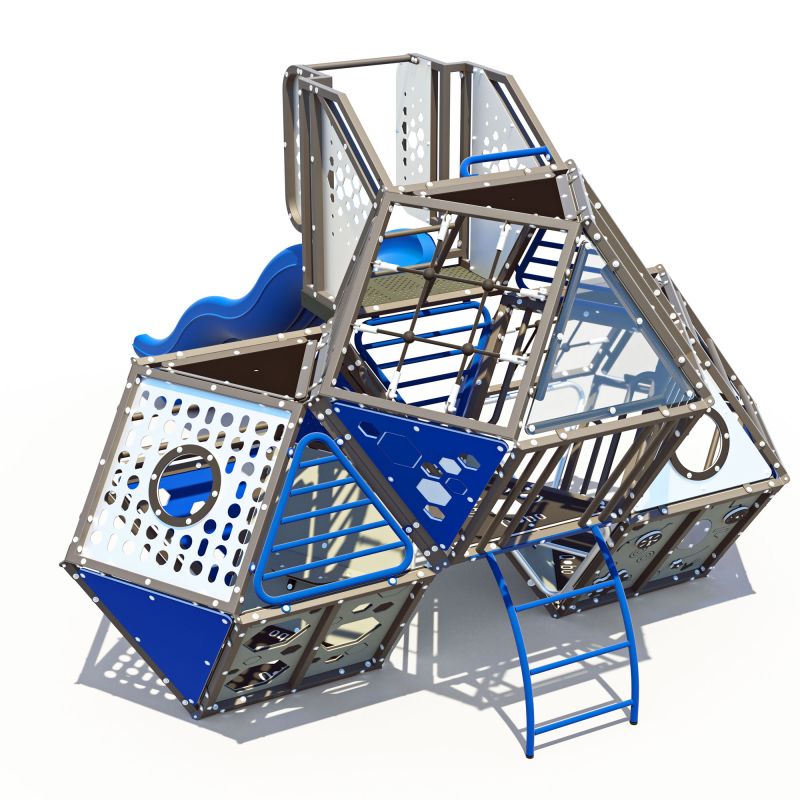
| Modular Play Systems | Comprehensive Play | Encouraging diverse physical skills, social interaction, and imaginative scenarios in a single, cohesive structure. |
| Climbers & Agility | Physical Challenge | Building strength, coordination, and problem-solving skills; perfect for schools and parks focused on physical literacy. |
| Motion & Sensory | Vestibular & Sensory Input | Developing balance and spatial awareness; essential for inclusive play and sensory integration. |
| Themed & Imaginative Interactive Panels | Social & Creative Play Calming, Regulating | Sparking storytelling, role-playing, and cooperative games; creates a unique destination. Supporting calming sensory input and cognitive engagement; aids in self-regulation. |
By aligning your equipment choices with clear outcomes, you ensure the playground doesn’t just look good, it actively contributes to the well-being and happiness of your community.
Built for Canadian Conditions
In Canada, playground equipment has to be tough. It faces a cycle of deep freezes, heavy snowfalls, and intense summer sun, a climate that can take a toll on lesser materials. This is why choosing equipment designed and manufactured in Canada gives you a powerful advantage in durability and long-term value.
Our family has been doing this for four generations, since 1917, so we have learned what it takes to build things that last. We rely on high-quality materials and proven processes chosen for their ability to perform in harsh Canadian weather:
- Galvanized Steel: This is the backbone of our structures. It provides superior resistance to corrosion, standing strong against moisture and road salt.
- Durable Coatings: We apply specialized powder coatings to create a tough, resilient finish that resists chipping, fading, and the effects of UV rays.
This commitment to Canadian manufacturing means that when you invest in a Blue Imp playground, you’re getting more than just play equipment. You’re investing in a durable, long-lasting community asset built to deliver four-season fun for many years to come.
Ready to start shaping your ideal park? The first step is to talk to your regional Blue Imp representative and explore designs that fit your vision.
Designing Inclusive Spaces Where Everyone Can Play
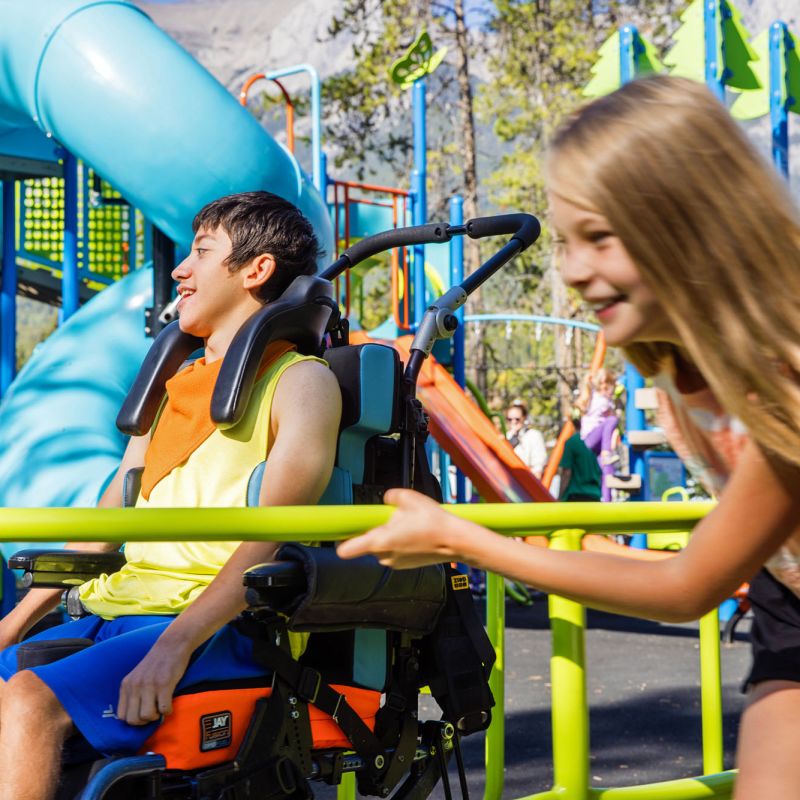
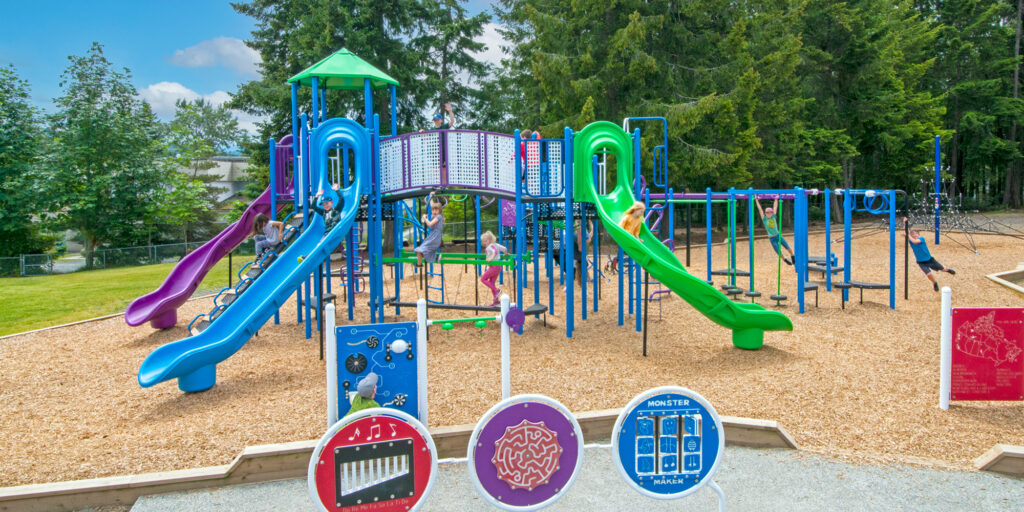
A truly great playground is more than a collection of equipment; it’s a place where every child feels they belong. When we talk about inclusive design, we’re moving beyond basic accessibility. We’re aiming to create a welcoming space that supports children with a range of physical, sensory, cognitive, and social needs. It’s where play becomes a universal language.
The goal is to create a layered play experience where children can play side-by-side, learning from each other and building friendships. It’s about making sure every child, regardless of ability, can find their own way to join in and feel successful.
The Building Blocks of Inclusive Design
Crafting a space that welcomes everyone means weaving specific features into the design. It’s not about adding a separate section for certain children; it’s about offering multiple ways to engage so that no child feels left on the sidelines.
Here are some of the key ingredients for a truly inclusive playground:
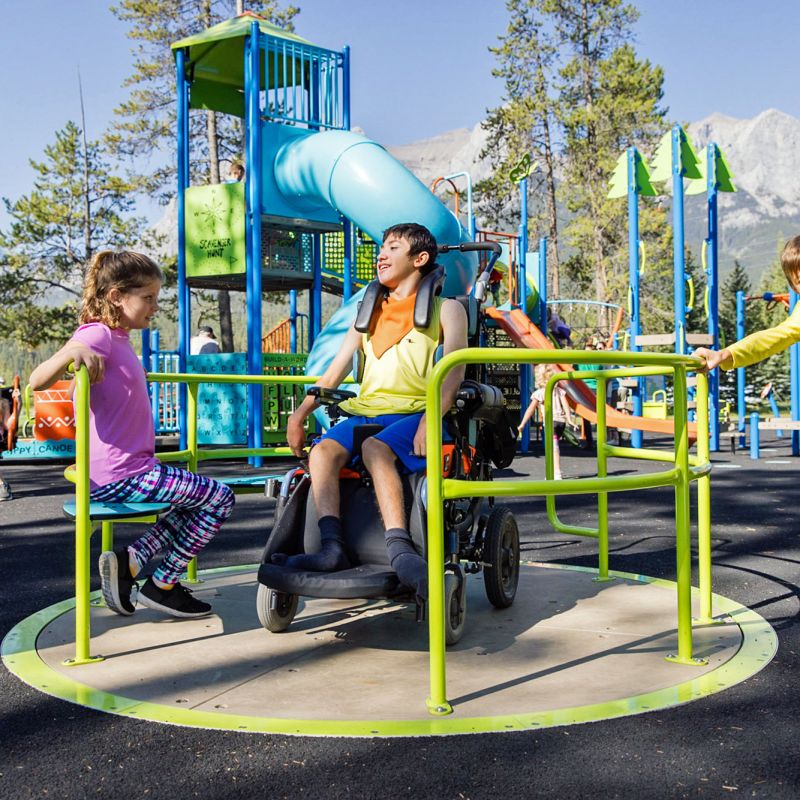
- Accessible Routes and Surfacing: This is the foundation. Smooth, unitary surfaces like poured-in-place rubber or engineered wood fibre are essential. They allow children using wheelchairs, walkers, or other mobility aids to move freely between every part of the playground.
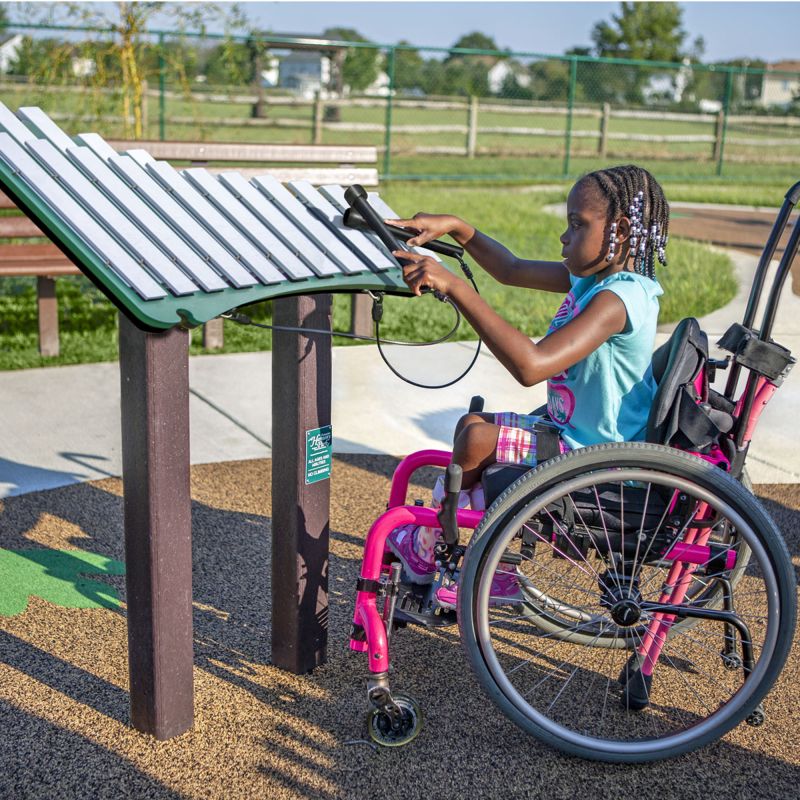
- Ground-Level Play: Not all the action needs to be up high. Incorporating engaging activities on the ground, like interactive sensory panels or musical instruments, ensures the fun starts the moment a child arrives.
- Ramped Access to Structures: Wide ramps with gentle slopes are a game-changer. They allow children who use mobility devices to get up onto the main structure, letting them use the slide and share elevated lookout spots with their friends.
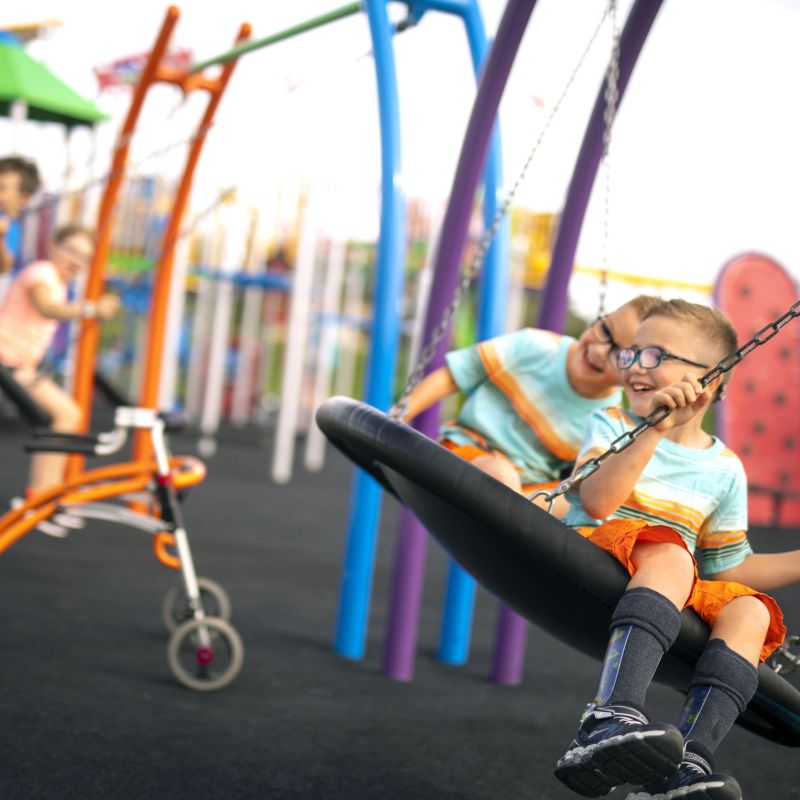
- Adaptive Equipment: Consider adaptive swings with supportive seats or harnesses. These additions ensure that children who need extra stability can still experience the joy of flying through the air.
When these elements work together, they do more than remove physical barriers. They send a powerful message that a child’s ability will not limit their imagination or their right to play. You can dive deeper into these strategies in our inclusive play guide, with insights for community planners.
Engaging All the Senses
An inclusive playground understands that children experience the world in different ways. That’s why a remarkable space engages multiple senses, creating a rich and stimulating environment that caters to a wide spectrum of sensory needs.
Consider how different components can engage the senses:
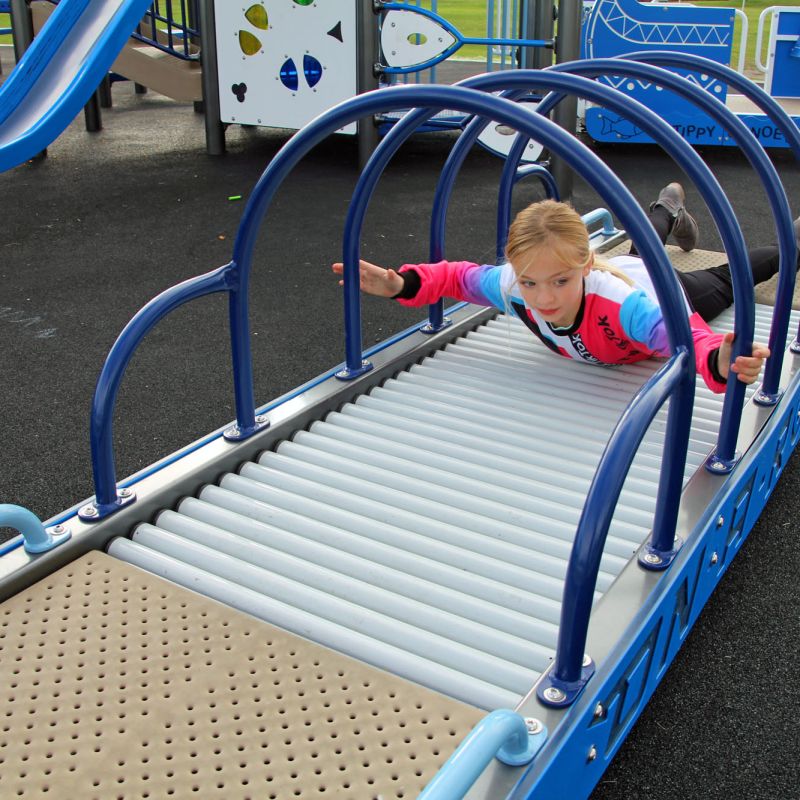
- For the Sense of Touch: Textured panels, roller tables, rumble strips on slides, sand tables , and varied materials, from steel and plastic to rope, rubber and nature-inspired elements offer valuable tactile feedback.
- For the Sense of Sound: Outdoor musical instruments, from drums to chimes, allow children to create and explore sounds together.
- For Visual Engagement: Bright, contrasting colours aren’t just for looks; they can help children with visual impairments navigate the space more easily, while imaginative themes spark creativity.
An inclusive playground is a community’s heart on display. It’s a living testament to the belief that every child matters. It’s a space that says, “You are welcome here, you are valued, and this place was made for you.”
This mission is especially critical for vulnerable populations who depend on public spaces for safe, healthy recreation. Access to parks is a key indicator of community health, and ensuring these hubs are inclusive benefits everyone.
Creating Quiet Spaces for Balance
Inclusivity also means creating balance. The high-energy buzz of a busy playground can sometimes feel overwhelming, especially for children who are sensitive to noise and crowds.
That’s where quiet zones come in. By thoughtfully designing a calming retreat, set slightly apart from the main action, you offer an essential sanctuary. These nooks can feature sheltered seating, cozy corners, or peaceful nature elements where a child can rest, decompress, and get ready to jump back into the fun when they feel ready.
By offering a full spectrum of experiences, from active and social to quiet and calm, your playground becomes a more supportive and welcoming place for every child.
Keeping the Fun Going: A Commitment to Long-Term Safety
Opening a brand-new park or playground is a moment of pure community joy. But the real value is created over the years, as that space becomes part of daily life. The true measure of a successful project isn’t just the ribbon-cutting ceremony; it’s seeing that space remain a safe, vibrant, and cherished hub for years to come.
This long-term care is a serious responsibility for anyone managing a public or school playground. It’s not about eliminating all risk, adventurous play comes with a few bumps and scrapes. It’s about creating a predictable environment where equipment behaves as it should, preventing serious injuries through proactive upkeep.
Starting Strong with Certified Safety
Everything begins with the equipment itself. The cornerstone of a safe play space is choosing equipment built from the ground up to meet rigorous national standards. At Blue Imp, every single piece we design, from the tallest slide to the simplest swing, is engineered to meet or exceed the CAN/CSA Z614 and ASTM F1487 standards. This isn’t just a box to tick; it’s our promise that every design has been scrutinized for potential hazards like entrapment, fall heights, and structural stability.
Think of it this way: building to a national standard is like pouring a solid foundation for a house. It’s the first and most essential step in managing risk, giving you the confidence that your playground is built on a base of proven safety principles.
This focus on compliance provides a clear, defensible standard of care. We deliver equipment that is compliant by design, giving you a trusted and reliable starting point for your own safety programs.
The Power of a Good Maintenance Routine
Once the last bolt is tightened, a playground becomes a living part of the community, and that means it needs regular attention. Consistent maintenance isn’t just about aesthetics; it’s one of the most critical safety functions you can perform. Creating a simple, repeatable schedule for inspections is the best way to protect your investment and, more importantly, the children who play there.
A great maintenance plan doesn’t have to be complicated. It just needs to be consistent and cover these key areas:
- Quick Visual Checks: Get into the habit of walking the site often. Look for obvious issues, vandalism, broken pieces, or surfacing that’s been displaced from under the swings.
- Monthly Deeper Dives: Once a month, take a closer look. Check for wear and tear on moving parts like swing chains and hangers. Tighten any loose hardware, and keep an eye out for rust or other material decay.
- Surfacing Top-Ups: If you have loose-fill surfacing like engineered wood fibre, it will inevitably get compacted or shifted. It is vital to rake it and top it up regularly to ensure it can still cushion a fall properly.
- The Annual Big Picture Audit: Once a year, it is wise to bring in a certified professional for a comprehensive inspection. They are trained to spot less obvious issues and can ensure your playground continues to meet safety standards as it ages.
By sticking to a maintenance routine, you’re ensuring your park and playground continues to be the inspiring, safe, and joyful place your community deserves. A well-cared-for park is a powerful statement about a community’s commitment to its youngest members.
Your Top Park and Playground Questions, Answered
Bringing a new park or playground to life is an exciting journey, but it’s natural to have questions. Whether you’re part of a community planning team, a school council, or a municipal group, here are clear answers to the most common questions we hear.
What’s the First Step in Planning a New Playground?
Before you think about slides or swings, your first move is to build a shared vision. It starts with putting together a dedicated planning committee. This group will be responsible for defining what your community needs, setting a realistic budget, and establishing clear goals for the project, especially around inclusivity and play value.
With your vision in place, the next step is a thorough site assessment. You need to understand the opportunities and limitations of your land. A Blue Imp representative can be your guide through this entire process, helping you shape initial ideas and select equipment to turn your vision into reality.
How Can We Make Our School Playground More Inclusive?
Creating a more inclusive playground doesn’t have to mean starting from scratch. You can make a huge impact with thoughtful, phased improvements. A great starting point is adding ground-level activities, like sensory panels or musical instruments, that every child can enjoy, regardless of their mobility.
Another powerful update is to swap out a traditional swing for an adaptive model, opening up the joy of swinging to children with different physical needs. If you’re planning a bigger upgrade, think about wide ramps and fully accessible surfacing. These changes make a world of difference, ensuring no one is left on the sidelines. Let a Blue Imp representative help you audit your current space and find the right components to make play better for everyone.
Why Is Canadian-Made Equipment So Important for Our Park?
When you choose Canadian-made equipment from a manufacturer like Blue Imp, you’re investing in quality that’s built for our unique and often harsh climate. We use materials like galvanized steel and specialized, durable coatings chosen specifically to stand up to everything from icy winters to intense summer sun.
This commitment to rugged, local manufacturing means your park and playground equipment will last longer, delivering better value for your community’s investment over the long haul. Plus, it supports our own economy, creating a positive impact that goes far beyond the playground itself.
How Does Fundraising for a Playground Actually Work?
For many parent councils and community groups, funding is the biggest challenge. The key to a successful campaign is to tackle it from multiple angles: think community events, corporate sponsorships, and grant applications. You need to craft a compelling story that shows donors and sponsors exactly how your project will benefit the children and families in your neighbourhood.
For a more detailed roadmap, you can learn more about how to fundraise for a new playground in our complete guide.
Ready to create a space that reflects your community’s heart?
Talk to a Blue Imp representative to get a custom design for your site.
