
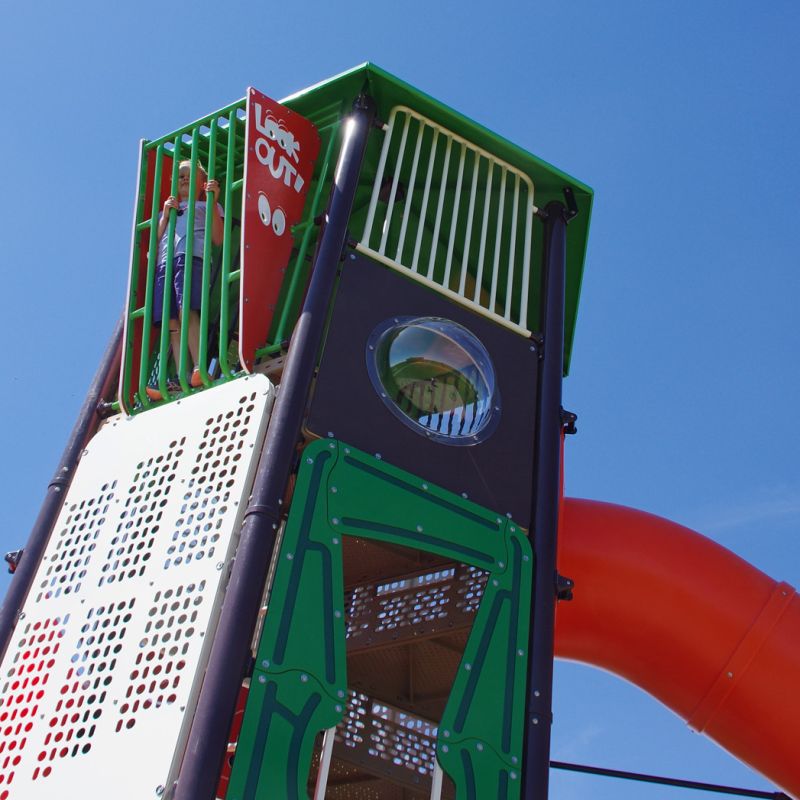
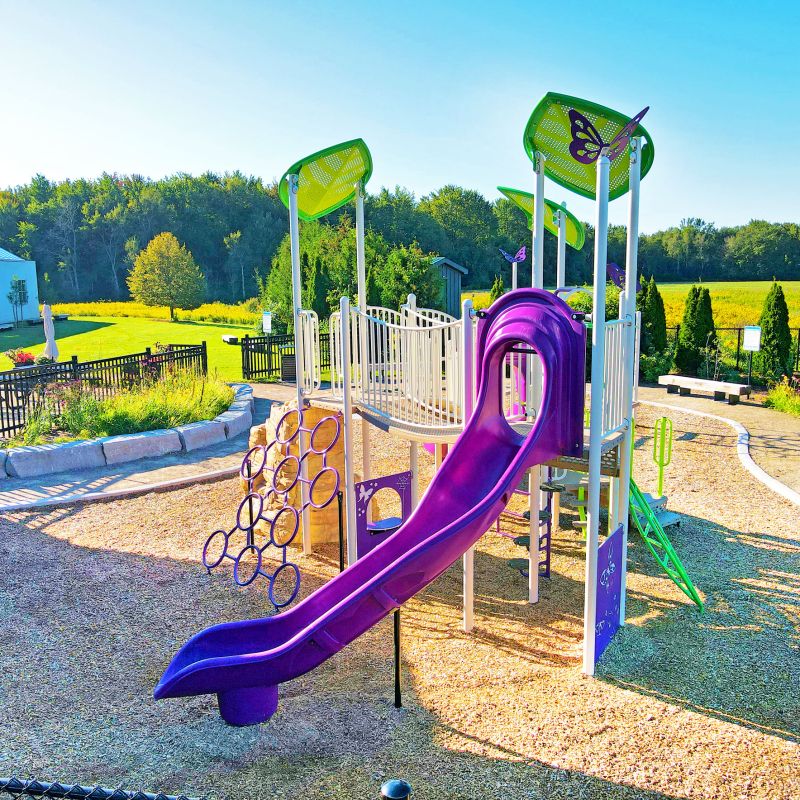
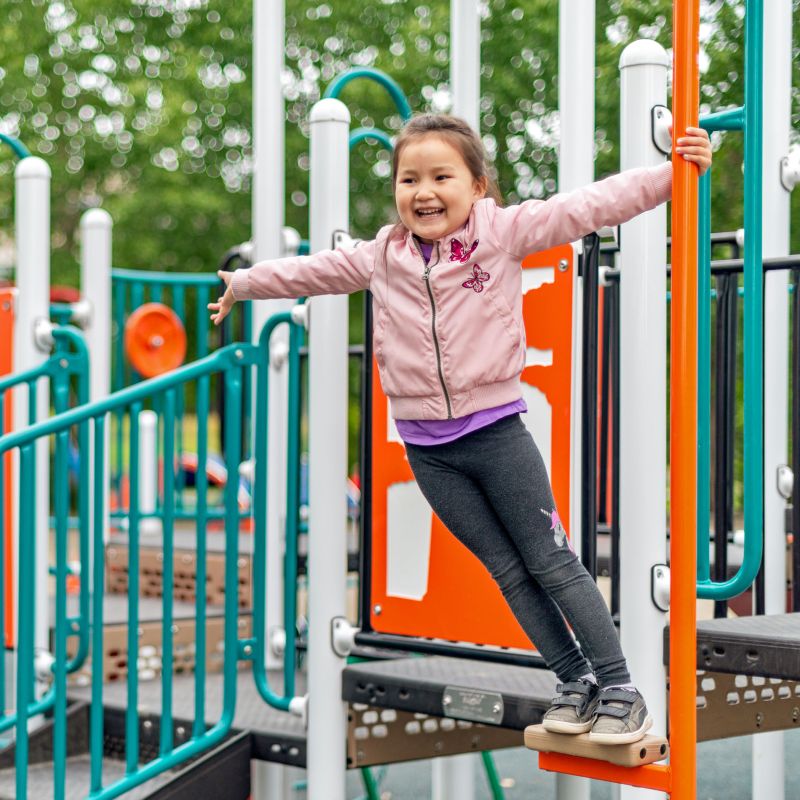
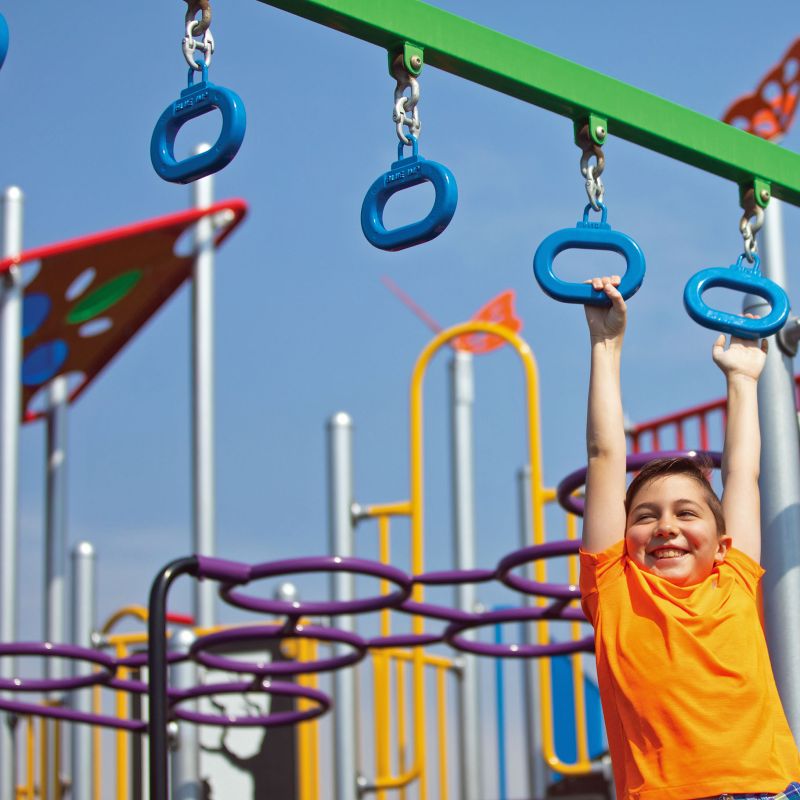
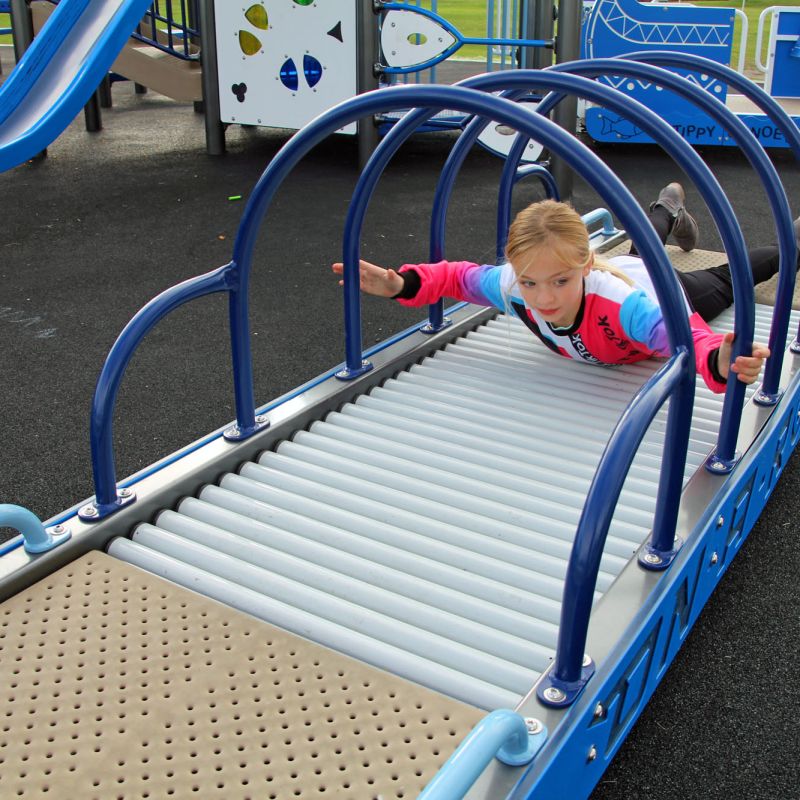

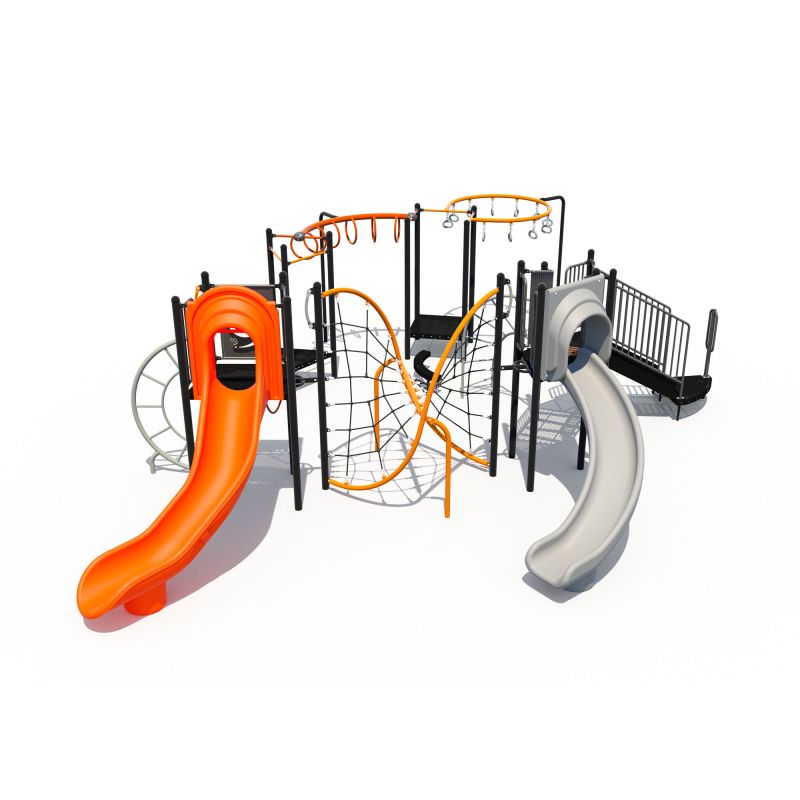
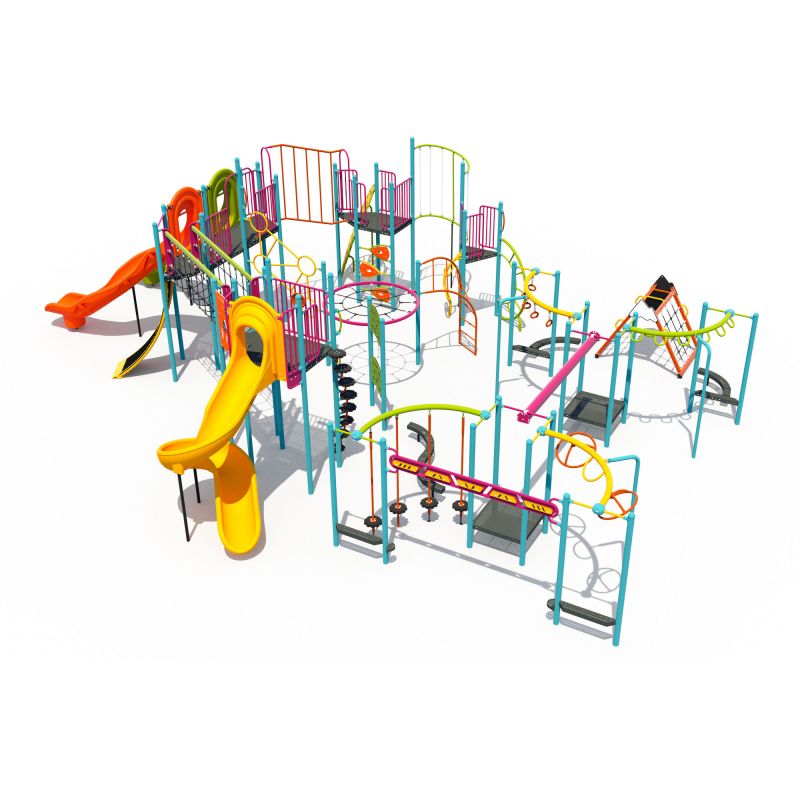
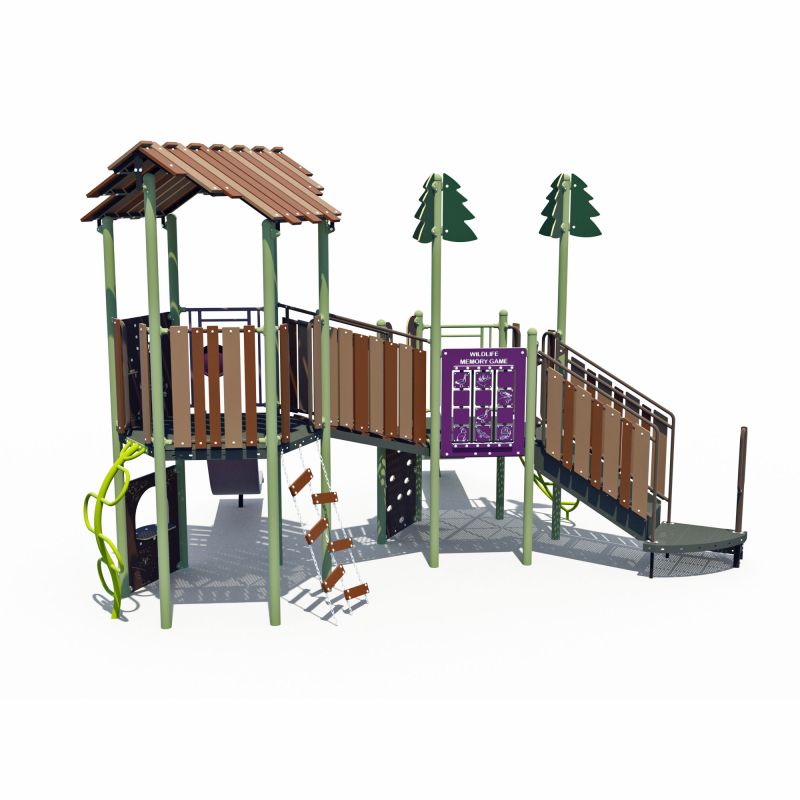
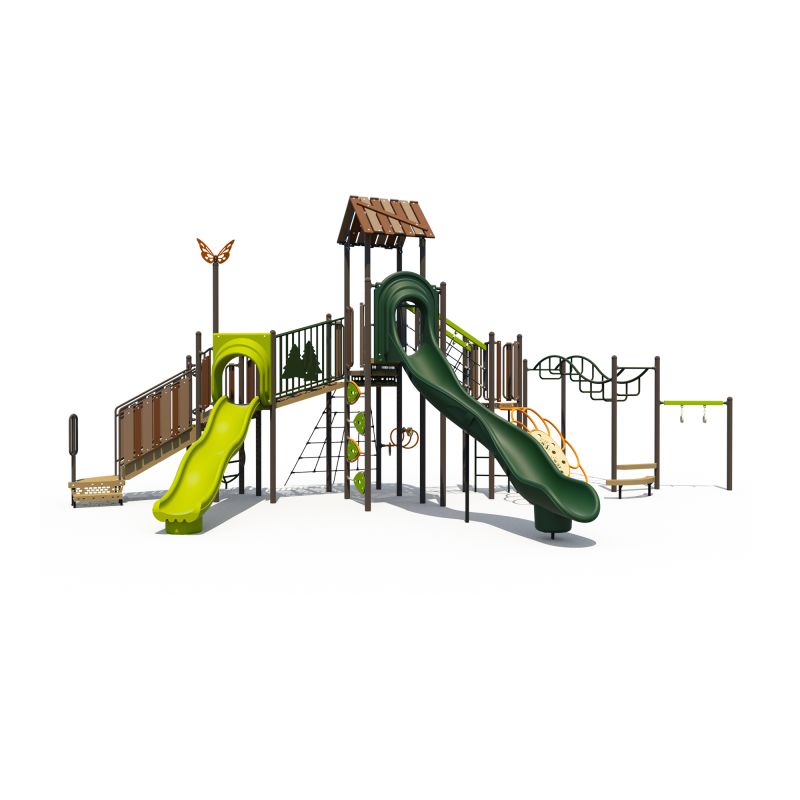
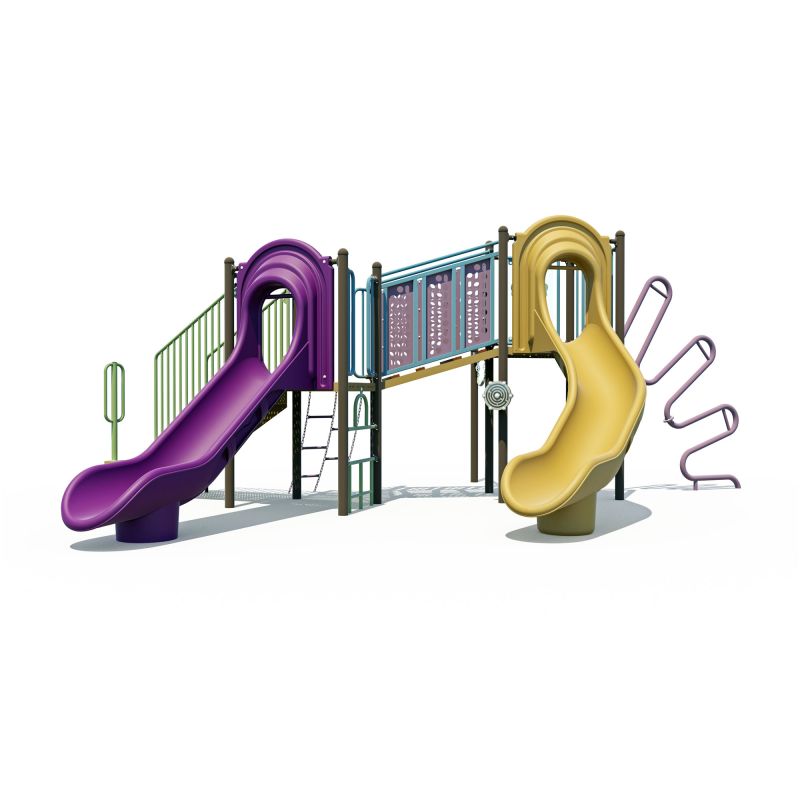
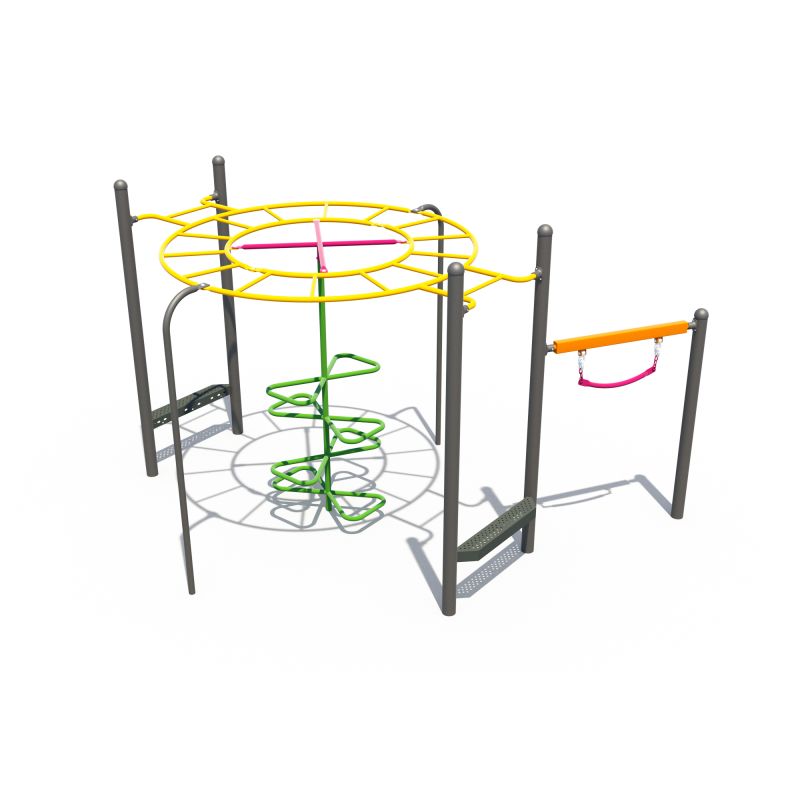
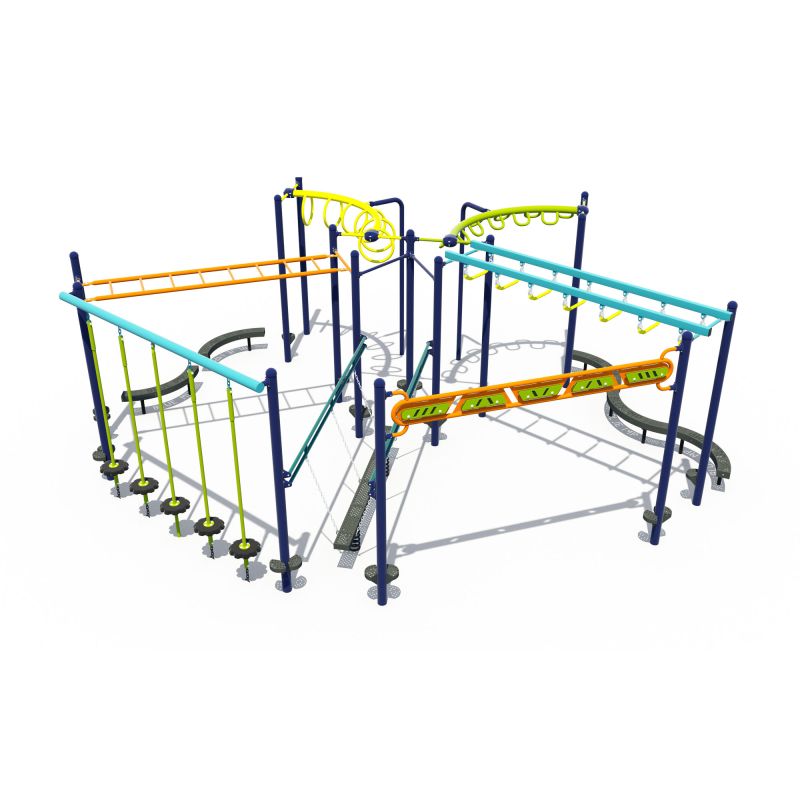
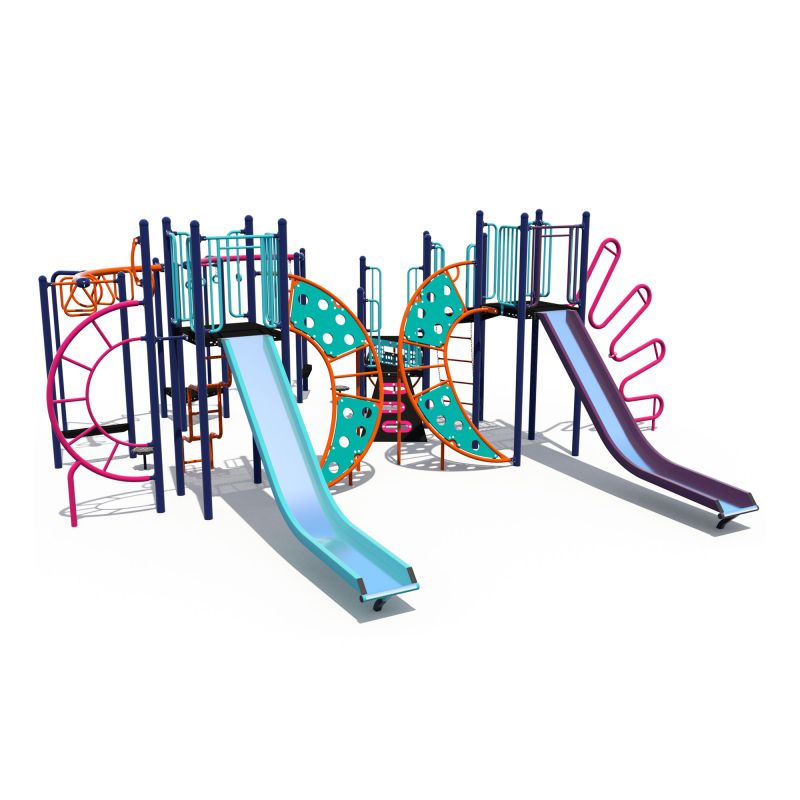
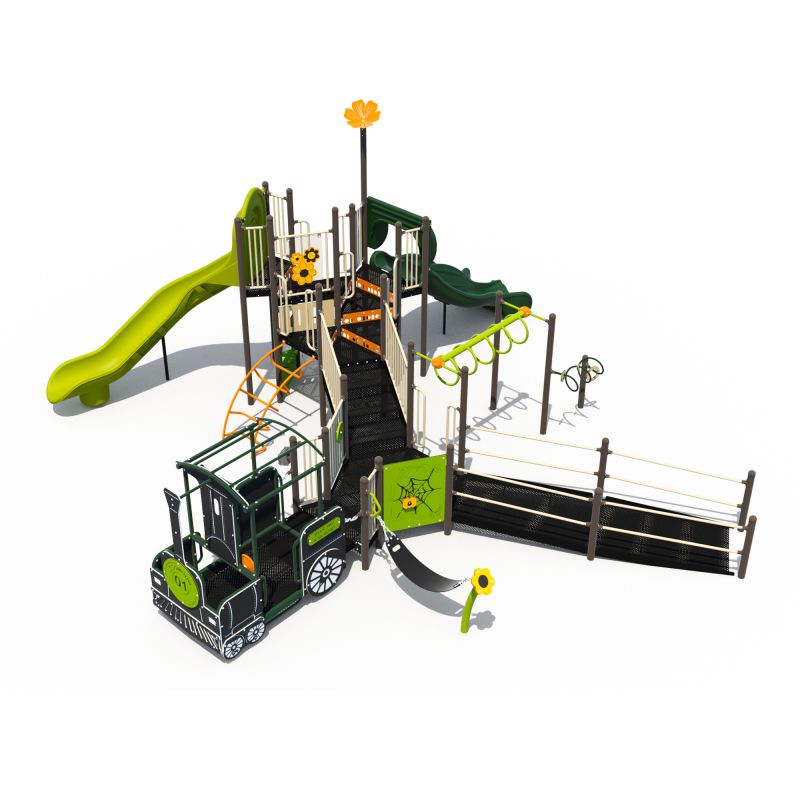
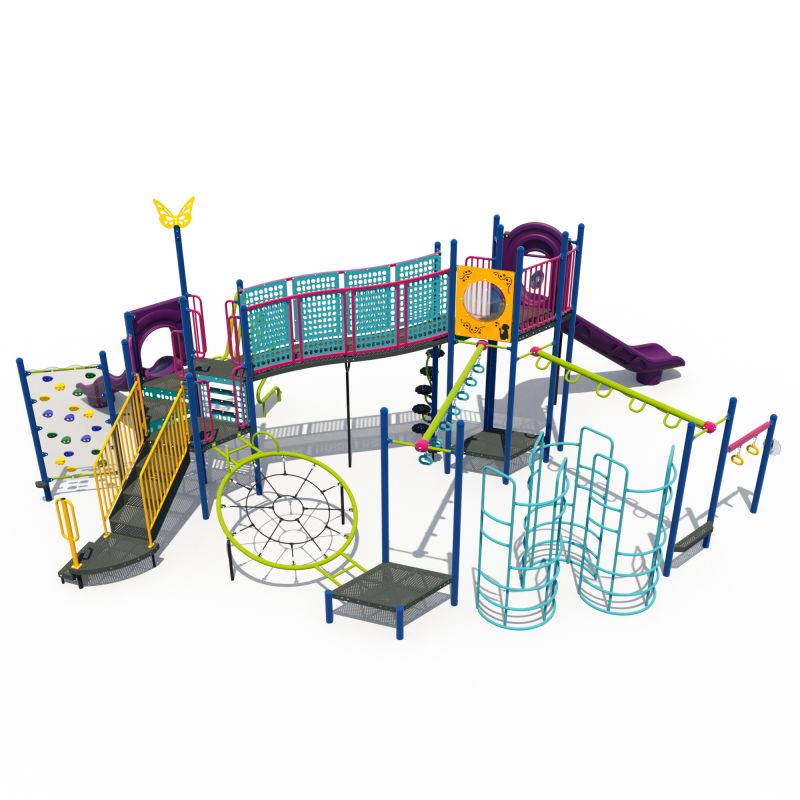

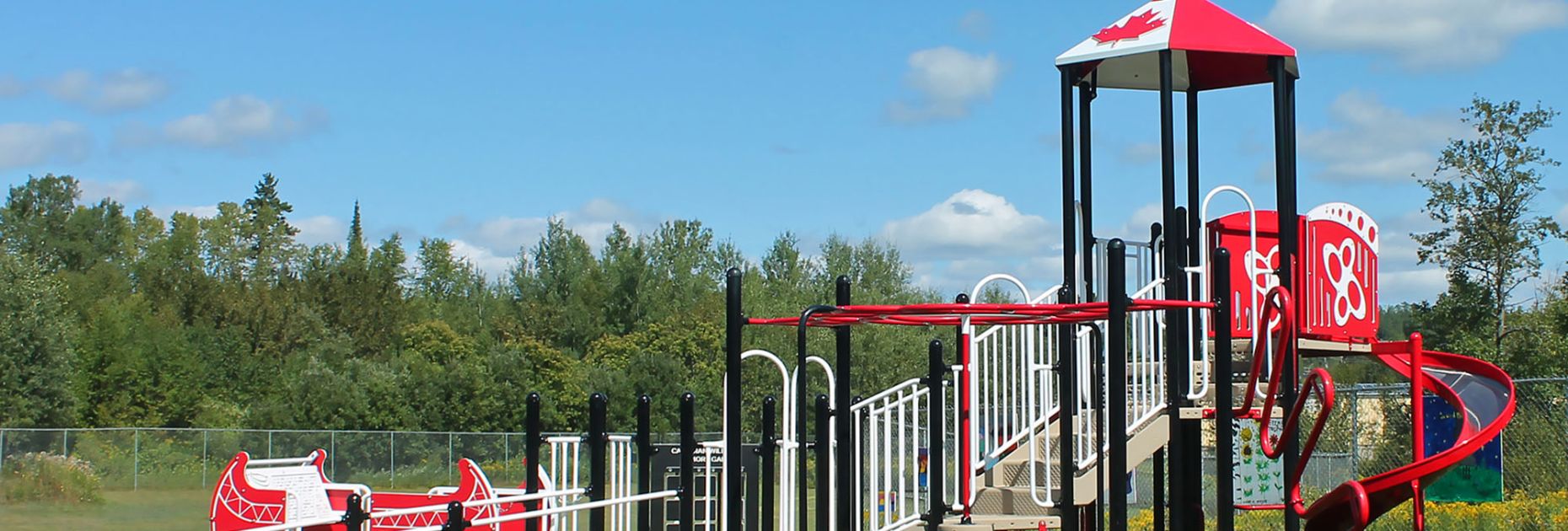
Picture a playground filled with the sound of pure, unadulterated joy. Children of all abilities, laughing and inventing new adventures together. This isn’t just a nice idea, it’s the very soul of inclusive play. It’s about creating spaces where belonging isn’t an afterthought, but the foundation of the entire design.
Let’s explore how thoughtfully chosen accessible playground equipment can build that powerful sense of community and make sure every child has a place to shine.
Building Play Spaces Where Every Child Belongs
A truly great playground is more than just a set of swings and a slide. It’s the heart of a community, a place where friendships blossom and children discover what they’re capable of. Inclusive design is the key that unlocks this potential, transforming a simple play area into a vibrant, welcoming space for every single child, no matter their physical, sensory, or cognitive abilities.
This is a philosophy that goes far beyond meeting basic accessibility codes. It’s about weaving a rich variety of play experiences into the very fabric of the playground.
When a child using a wheelchair can race a friend up a ramp to the top of a play structure, that’s inclusion. When a child who needs a quieter moment can find a cozy nook with a tactile panel to explore, that’s inclusion, too. This is when a playground truly fulfills its purpose.
Why Inclusive Design Matters
When we design with everyone in mind, the positive effects ripple out, touching every aspect of a child’s development and strengthening the community as a whole. An inclusive playground becomes a natural classroom for life’s most important lessons.
- Social Development: It’s a place where children naturally mix, building empathy and learning to cooperate. They see firsthand that everyone has something unique to offer.
- Physical Growth: It provides a spectrum of challenges, allowing all children to build strength, balance, and coordination at their own pace in a fun, supportive environment.
- Sensory and Cognitive Engagement: By including elements like musical instruments or interactive panels, we cater to different learning styles and give children new ways to explore the world around them.
A Growing Commitment to Accessibility
Thankfully, the world is catching on. We’re seeing a major shift towards creating these kinds of equitable spaces. This shows a powerful, large-scale commitment to giving all children the recreational opportunities they deserve.
As Canada’s longest-standing playground manufacturer, this vision has been our driving force for decades. At Blue Imp, we’re dedicated to engineering play environments that are not only durable and compliant but are genuinely designed for the heart of Canadian communities.
In this guide, we’ll walk you through how to do just that, how to create a playground that is so much more than just a place to play, but a true cornerstone of your community.
Navigating Canadian Playground Accessibility Designs
It’s important to understand the difference between accessibility and inclusion, because they are not the same thing. Standards like CAN/CSA Z614 give us accessibility, they ensure a child can physically get to and use the equipment. It’s the “how.”
But inclusion is the “why.” It’s a much bigger, more human philosophy. It’s about designing an entire environment where children of all abilities can play together, forming friendships and sharing experiences.
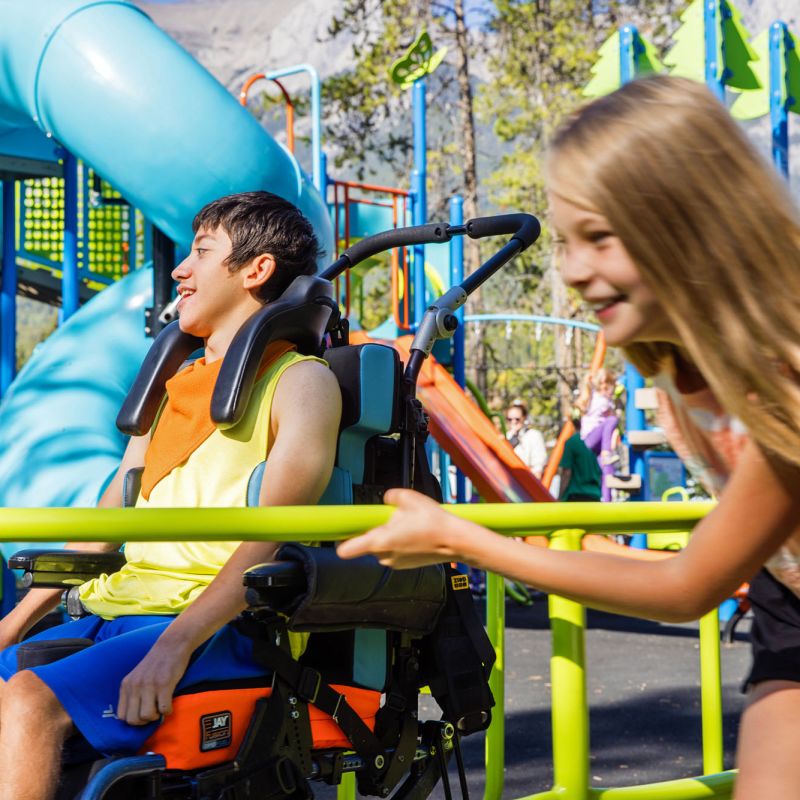
An inclusive playground doesn’t just provide access, it provides shared experiences. It’s where a child with a mobility impairment can race a friend on a spinner, or a child with sensory sensitivities can create a rhythm on a musical panel alongside their peers.
Ultimately, a standard is the starting line, not the finish. At Blue Imp, we take these essential guidelines and use them as a launchpad to create play spaces that aren’t just accessible, but are vibrant, exciting, and truly welcoming for every child in your community.
Designing for Truly Inclusive and Engaging Play
Creating a truly inclusive playground is about more than just checking boxes for ramps and transfer stations. While those things are essential for physical access, a genuinely welcoming play space goes deeper. It’s about crafting a vibrant, multi-sensory world where every child can find their own brand of joy, challenge, and connection.
This means thinking about the whole child and the many ways they play, physically, socially, imaginatively, and through their senses. The goal is to build a dynamic landscape of opportunities, making sure every visitor, no matter their ability, can dive into meaningful play.
Beyond Physical Access to Sensory Engagement
For many children, particularly those with sensory processing differences, the world can feel like a loud, overwhelming place. A thoughtfully designed playground can become a sanctuary, a safe and engaging outlet for sensory exploration that provides just the right input they need to self-regulate and thrive.
This is where sensory-rich equipment becomes important. It’s not just about splashing bright colours everywhere; it’s about intentionally providing a variety of textures, sounds, and movements that children can explore on their own terms.
- Tactile Play: Think about ground-level play panels with a range of textures. These invite children to engage their sense of touch in a way that can be both calming and stimulating.
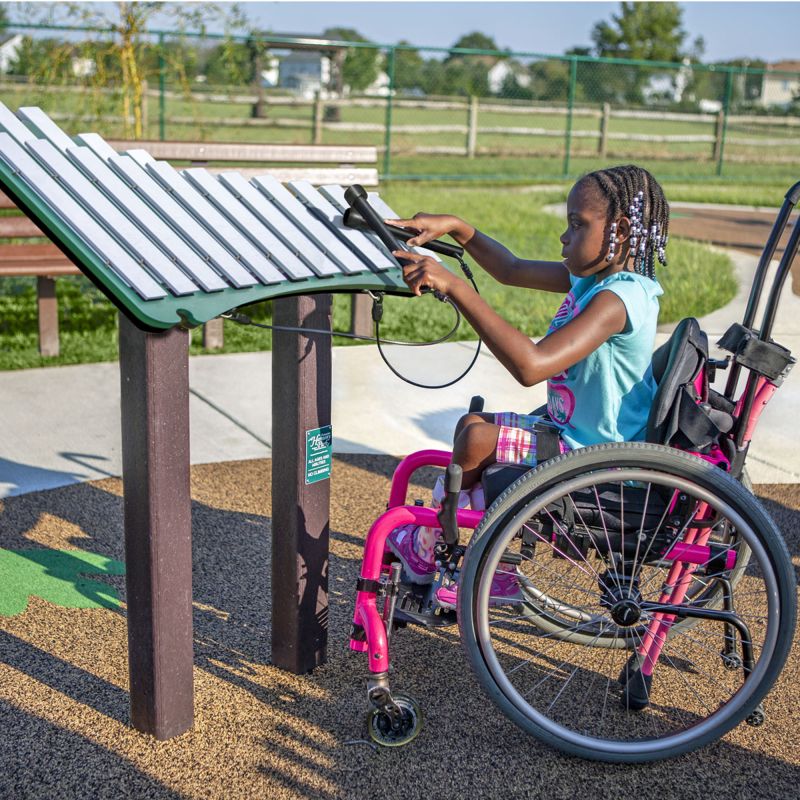
- Auditory Exploration: Musical instruments, like the Imbarirmba, Serenade and Weenotes that we offer through Freenotes Harmony Park, are an open invitation for children to create sounds together. This isn’t just about noise, it’s a shared activity that builds collaboration and provides auditory feedback without being jarring.
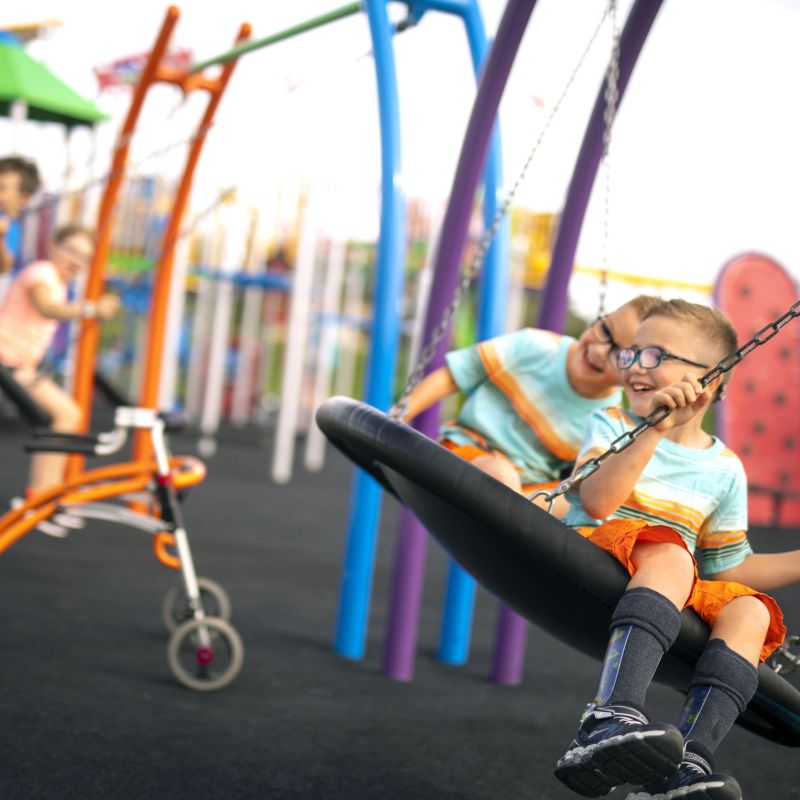
- Vestibular Motion: Movement is critical for developing a child’s sense of balance and spatial awareness. Inclusive spinners and rockers are designed from the ground up so children with different mobility needs can experience that feeling of spinning and swaying, side-by-side.
When you weave these elements into your design, the playground transforms from a simple physical space into a rich sensory landscape.
Fostering Social Connections Through Shared Play
One of the most powerful results of inclusive design is the real, human connection it sparks. When equipment is made for cooperative use, it naturally breaks down social barriers and encourages children to interact, solve problems, and forge friendships.
An inclusive playground’s greatest success is measured in shared laughter. It’s not just about a child being able to use a piece of equipment, but being able to use it with their friends.
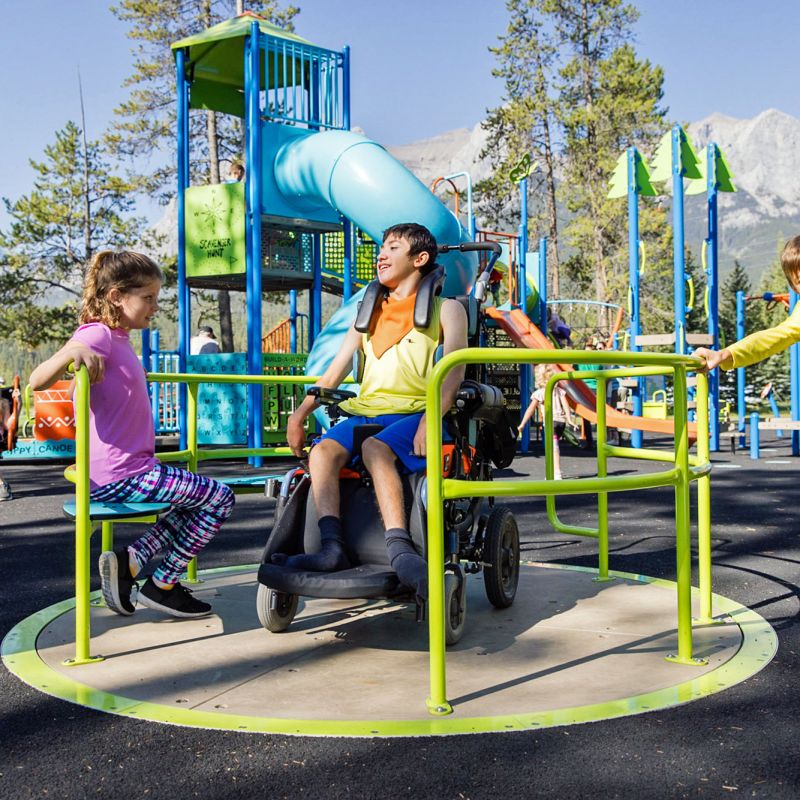
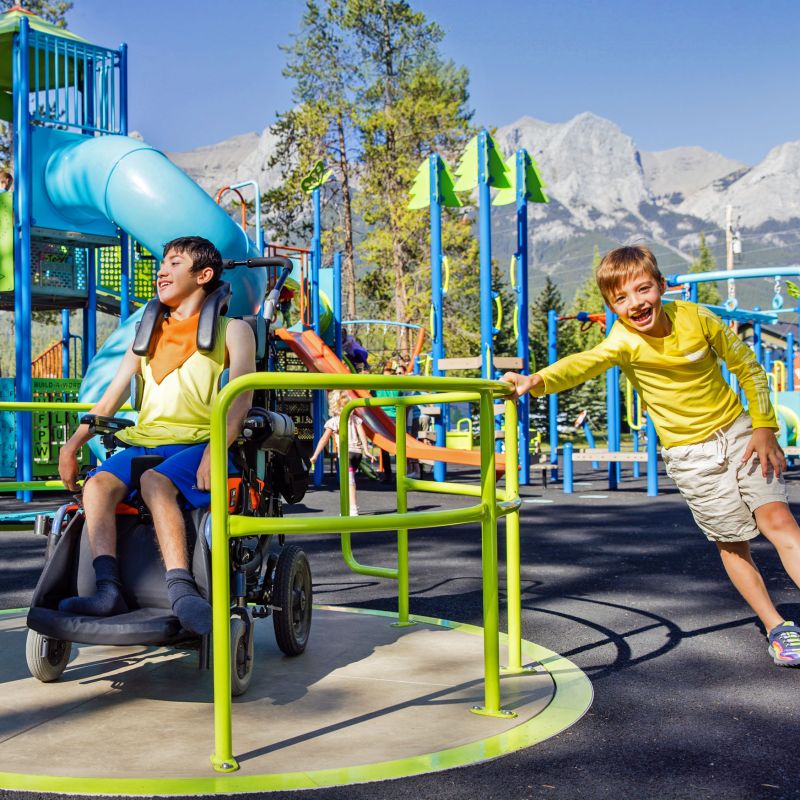
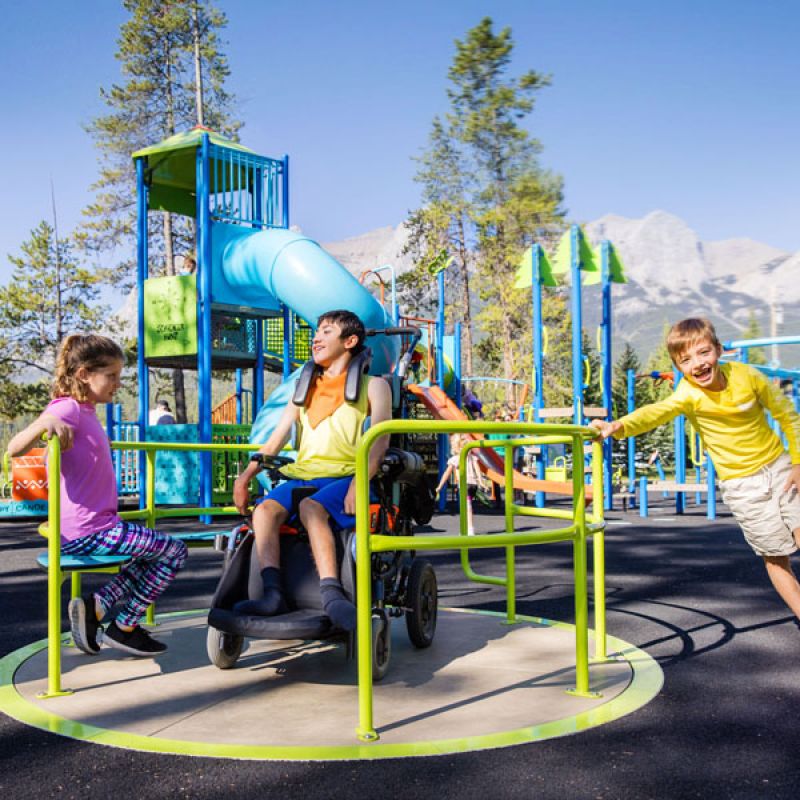
The wheelchair-accessible spinner or merry-go-round is a perfect example. These pieces are engineered to allow a child using a wheelchair to roll right onto the platform and get in on the fun alongside their peers. That shared experience is the heart of social inclusion, everyone is part of the same game, creating the same memory, together.
The Critical Role of Ground-Level Activities
While towering structures with ramps are often the star of the show, a truly inclusive playground must offer a treasure trove of engaging activities right at ground level. This ensures that children who can’t, or simply prefer not to, climb have just as many chances for fun and discovery.
Ground-level play isn’t an afterthought; it’s a foundational pillar of inclusive design. It guarantees that no child is left on the sidelines, watching the fun from below.
Here are a few essential ground-level components:
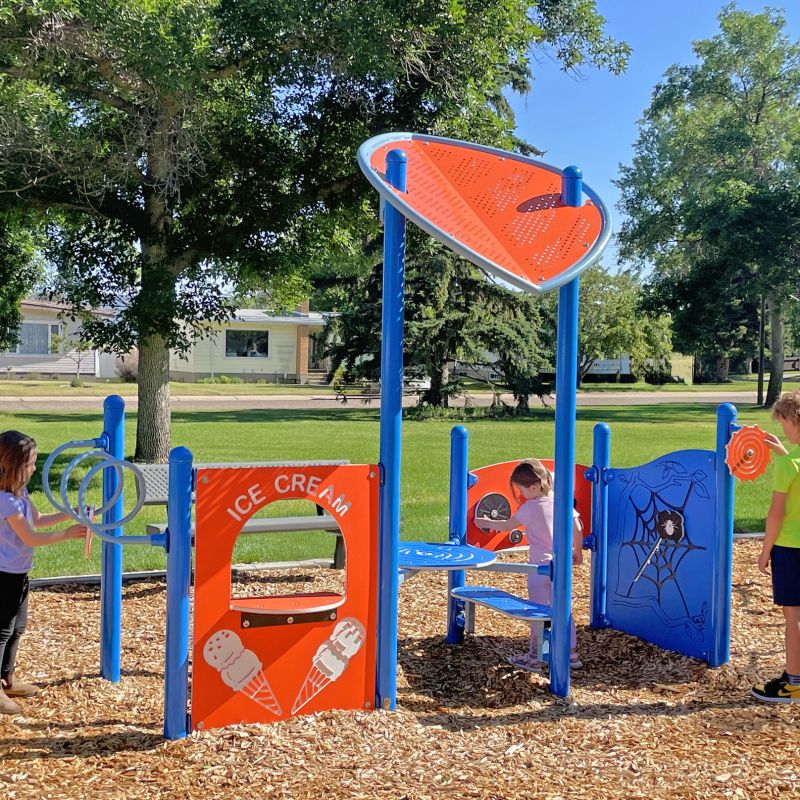
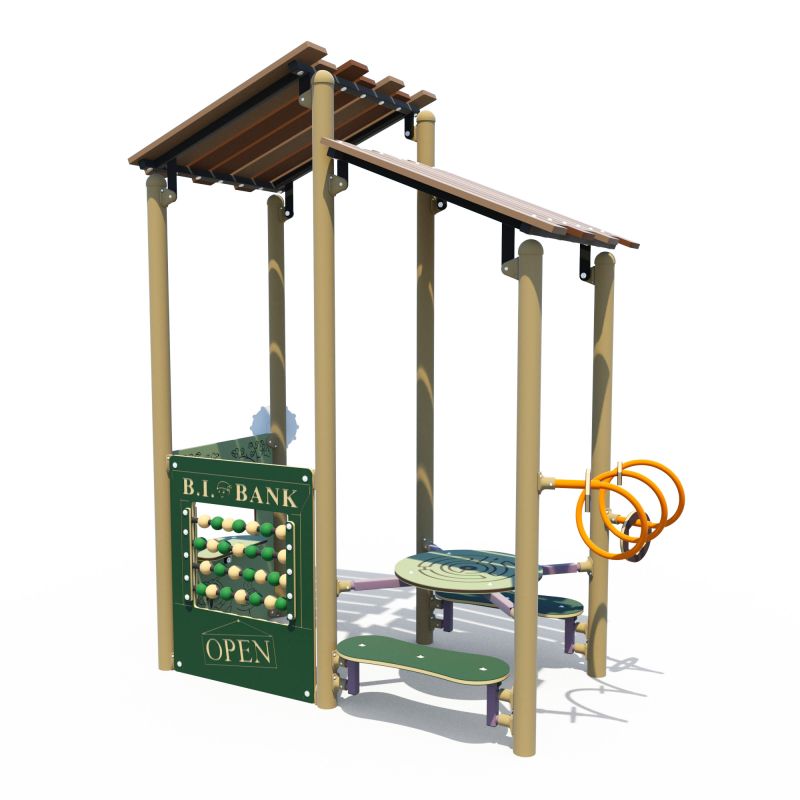
- Activity Panels: Interactive panels with games, puzzles, or imaginative themes like storefronts can be installed at the perfect height for children in mobility devices.
- Inclusive Spinners: Freestanding spinners like the All-Around Accessible Merry-Go-Round create a dynamic hub of social energy right on the main play surface.
- Musical Instruments: Placing chimes, drums, and other instruments at ground level lets children of all abilities gather around and become a band for the day.
By thoughtfully combining elevated and ground-level play, you create a balanced environment that genuinely offers something for everyone. This approach ensures your playground isn’t just accessible, but a truly inviting and equitable space for your entire community. For a deeper dive into these design principles, check out our comprehensive Blue Imp inclusive play guide.
Choosing Your Accessible Playground Equipment
This is where the vision starts to become real. Selecting the right equipment is the exciting step where your commitment to inclusion turns into a tangible, joy-filled space for children. Think of it less like picking out individual items and more like curating an ecosystem of play, one where every piece invites a new kind of adventure.
The goal is to create a balanced landscape of opportunities. We’re moving far beyond just adding a single accessible swing. We’re thinking about how a variety of equipment can work in harmony to spark physical movement, ignite sensory exploration, and build those priceless social connections between children of all abilities.
Freestanding Equipment That Invites Everyone
Freestanding equipment is what adds dynamic energy, the thrilling motion and unique physical challenges that create lasting memories. Inclusive design reimagines these playground classics, making sure those peak experiences are available to every child, not just a few.
From the rush of swinging to the joy of spinning, these pieces are often the heart of the playground experience.
A truly inclusive playground ensures that the most thrilling experiences, the feeling of soaring through the air or spinning with friends, are shared experiences. It’s about engineering joy for every single child.
Blue Imp has a few key pieces that make this happen:
- Adaptive Swings: The simple, pure joy of swinging is universal. Our U-Swing is an adaptive swing designed with a saucer seat. This A-Frame U-Swing is wheelchair-transfer friendly, offering a fun and accessible experience for all. Sturdy, stylish, and built for everyone!
- Inclusive Spinners: Motion is a powerful sensory experience. The Wheelchair Accessible Merry-Go-Round is a perfect example of design that brings everyone together. Its surface is flush with the ground, allowing a child using a wheelchair to roll on easily and spin right along with their friends, creating a whirlwind of shared laughter.
Integrated Ramps and Transfer Systems
For many children, the journey to the top of a play structure is half the fun. Integrated ramps and transfer systems are the essential bridges that make this climb possible for children with mobility challenges. As a Canadian manufacturer, we design every system to be durable and fully compliant with CAN/CSA Z614.
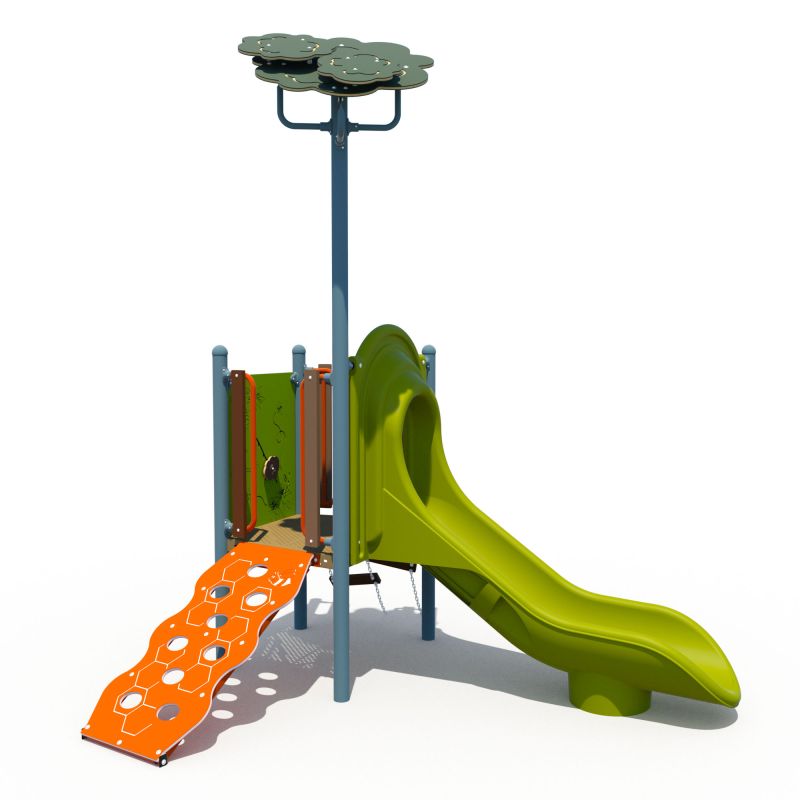
Ramps offer a direct, accessible route to elevated decks, letting children using wheelchairs get right into the action alongside their peers. But a great ramp system is more than just a path; it’s an interactive journey in itself, with lookout points and activity panels to discover along the way.
Transfer systems are another key piece of the puzzle. These are specially designed platforms with sturdy handgrips that empower a child to move from their mobility device onto the play structure deck. This single feature builds upper body strength, fosters independence, and grows confidence. Our modular systems can be configured with these access points to perfectly match your community’s needs.
Building a Cohesive Play Environment
Choosing great equipment is one thing. The real magic happens when all those pieces come together in a thoughtful, cohesive design. It’s about considering how children will flow through the space, the sightlines for caregivers, and creating different zones for different kinds of play.
For landscape architects and municipal planners, this means stepping back and seeing the entire picture. How will a child move from the musical instruments over to the ramped structure? Is there a quiet, shaded spot near the sensory panels for a child who might need a moment to recharge?
As Canada’s longest-standing playground manufacturer, our team is here to help you answer those questions. We provide detailed CAD files and plan views to help you visualize the whole space, ensuring every piece of equipment contributes to an environment that is safe, compliant, and deeply engaging. We can help you build a Canadian-made playground that will stand as a source of joy for every member of your community for years to come.
To see how these elements can come together, we invite you to explore our full range of inclusive playground equipment. Each piece is designed to meet or exceed CAN/CSA Z614 and ASTM F1487 standards, giving you a foundation of safety for limitless play.
Looking Beyond the Playground Itself
A truly welcoming park thinks about the entire journey—from the parking lot to the play area and back again. This is where site amenities come in. They are the important additions that turn a simple playground into a genuine community hub where families can relax and stay for hours.
These thoughtful additions provide the support system that makes a visit comfortable and stress-free for caregivers, grandparents, and any child who needs a quiet moment.
An accessible playground becomes a true community destination when it offers comfort and support for everyone, not just the children playing, but the caregivers, siblings, and friends who join them.
Essential Amenities for the Full Experience
By integrating amenities built to withstand Canadian seasons, you ensure the entire park is a welcoming space for all.
- Accessible Pathways: This is non-negotiable. Smooth, wide paths connecting parking, washrooms, and play zones are essential for anyone using a stroller or mobility device.
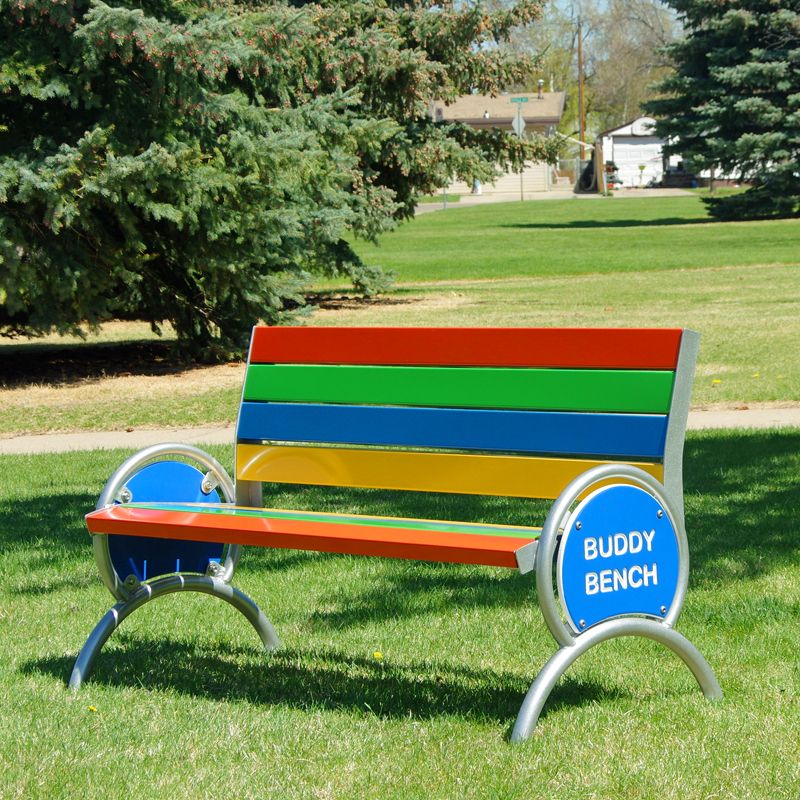
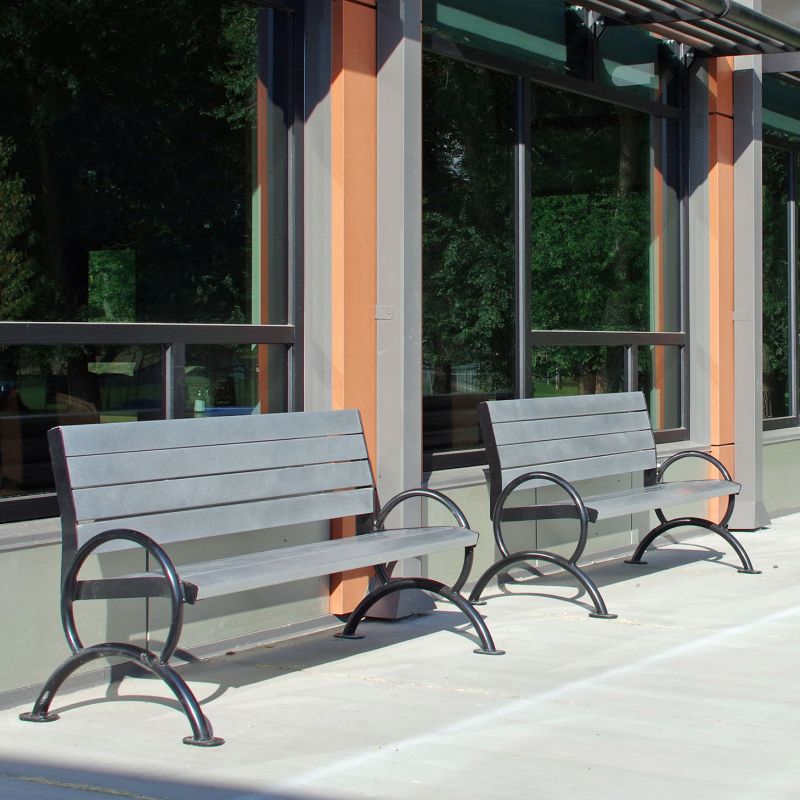
- Comfortable Seating: Placing park benches with proper back and arm supports in strategic spots gives caregivers a comfortable place to rest while keeping an eye on the action.
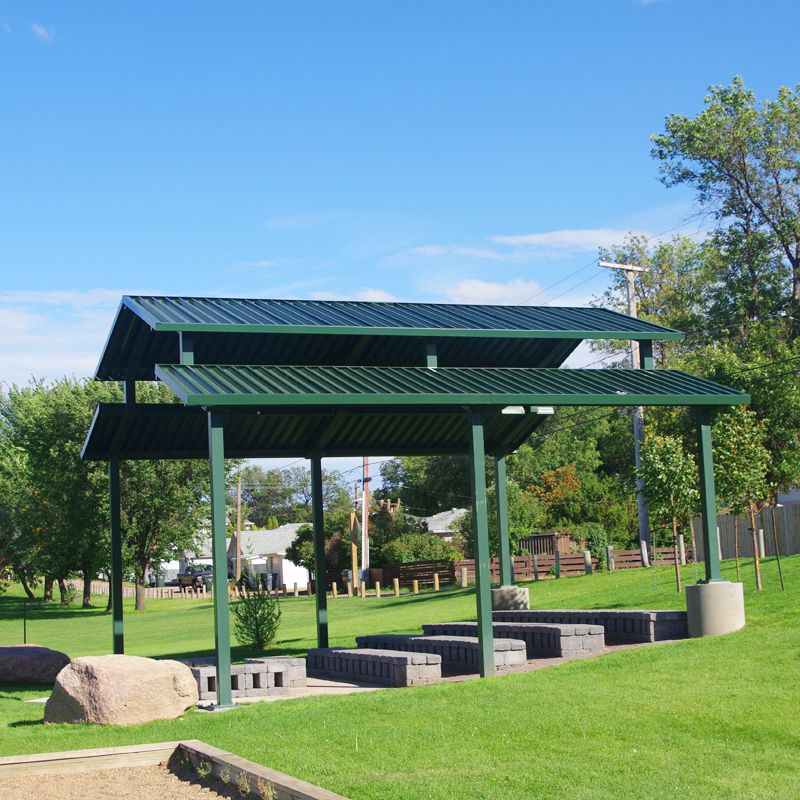
- Shade and Shelter: A well-placed shelter offers a much-needed escape from the hot sun or a sudden rain shower and provides a calm zone for children who might feel overstimulated.
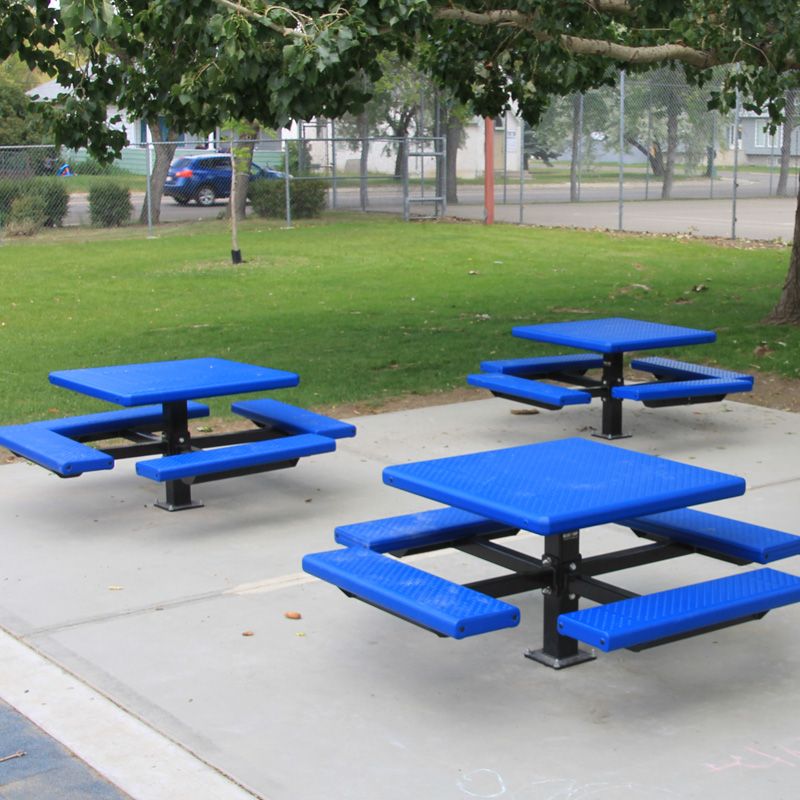
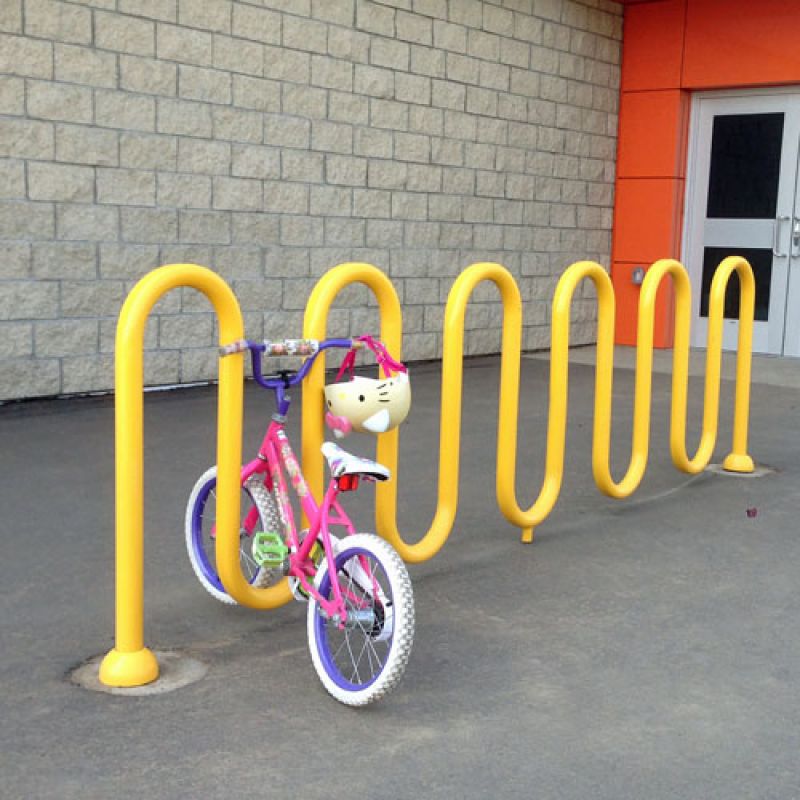
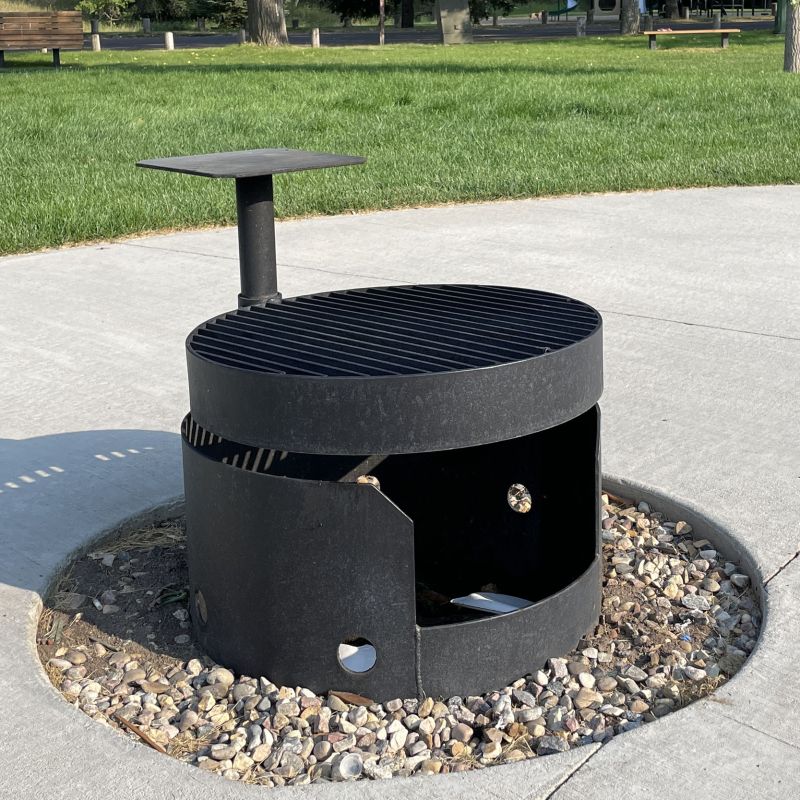
As you piece together your vision, remember how all these elements need to work in harmony. You can explore a wide variety of durable, Canadian-made site amenities and review detailed playground formats and specs to make sure every single component helps build a foundation of inclusion.
Your Questions Answered: Building a Playground for Everyone
As more communities across Canada commit to creating spaces where every child belongs, questions naturally come up. Whether you’re part of a school parent council, a municipal parks team, or a community group, figuring out the details is the first step toward creating something truly special. Let’s walk through some of the most common questions we hear, with clear answers to help guide you.
What’s the Difference Between “Accessible” and “Inclusive” Playgrounds?
This is an excellent question, and understanding the distinction is key.
Accessibility is about the essential physical requirements that let a child using a wheelchair or walker get to and onto the play equipment. Standards like CAN/CSA Z614 dictate these non-negotiables, such as having proper ramps, wide pathways, and transfer stations. It’s the mandatory foundation for entry.
Inclusivity, however, is a much bigger, more thoughtful philosophy that shapes the entire experience. An inclusive playground is designed from the ground up so that children of all abilities—physical, sensory, cognitive, and social—can play together. It’s not just about providing access; it’s about creating shared moments, genuine friendships, and a true sense of belonging.
At Blue Imp, our equipment always meets the strict accessibility standards. But our real passion is designing for inclusivity, crafting dynamic spaces where every single child feels like they’re a vital part of the fun.
How Can We Actually Fund a Project Like This?
Funding is often the biggest hurdle. But it’s a hurdle that countless communities have cleared, and you can too. Successful projects almost never rely on a single source of money. Instead, they weave together different funding streams to hit their target.
A great playground is a community-wide effort, and its funding often reflects that. Combining local passion with external support is a powerful strategy for bringing an inclusive play space to life.
Here are a few of the most common avenues to explore:
- Community Fundraising: This is the heart and soul of many projects. Think bake sales, fun runs, bottle drives, and partnerships with local businesses. These efforts do more than just raise funds—they build incredible community spirit and a powerful sense of ownership.
- Corporate Sponsorships: Many businesses, both local and national, are looking for meaningful ways to invest in the communities they serve. An inclusive playground is a lasting, visible legacy they can be proud to support.
- Government Grants: Always be on the lookout for federal, provincial, and municipal grants. Many are specifically aimed at improving accessibility, revitalizing community spaces, and promoting child wellness, and they can provide a major financial boost.
Your regional Blue Imp representative can be a huge help here. They know the local landscape and can provide the professional designs and detailed quotes you’ll need to make your grant applications shine. Our best advice? Start the planning process early so you can line up your project with those funding deadlines.
Can You Create a Custom Design for Our Unique Space?
Absolutely. Custom design isn’t just something we do; it’s a core part of who we are as a Canadian manufacturer. We have a huge selection of pre-configured layouts that offer fantastic accessibility, but we know that no two communities are the same. Every schoolyard, park, and neighbourhood has its own unique footprint, its own budget, and its own dream.
Our Canadian design team loves to collaborate with landscape architects, school boards, and city planners. We’ll work directly with you to create a custom layout that fits your site’s specific challenges and achieves your highest goals for inclusion. We provide all the professional tools you need, from CAD files to detailed plan views, to support your vision from the first sketch to the final installation.
And whether you choose a pre-configured design or a completely custom creation, you can rest easy. Every single one of our products meets or exceeds the rigorous CAN/CSA Z614 and ASTM F1487 standards. This gives you the confidence that your unique vision is built on a foundation of safety and quality.
Ready to build a playground where every child has their moment to shine?
The Blue Imp team is here to help you bring that vision to life with durable, Canadian-made accessible playground equipment.
